
Halloween brings plenty of spooky sights to Minnesota neighborhoods. Skeletons appear on front porches, cobwebs cover entryways, and jack-o’-lanterns light up the evenings. But some of the scariest things around your home have nothing to do with Halloween decorations.
They’re the exterior problems hiding in plain sight.
A missing roof shingle, a small crack in your siding, or a clogged gutter might not seem particularly frightening. However, when Minnesota’s freezing temperatures, snow, and ice arrive, those seemingly minor issues can become much more complicated.
The good news? Many exterior home problems leave warning signs long before serious damage develops.
Knowing what to look for can help homeowners identify maintenance needs, understand when repairs may be necessary, and avoid heading into winter with unresolved concerns.
Here are seven frightening exterior problems worth investigating before the Halloween decorations come down.
Your roof protects your home from rain, snow, wind, and other weather conditions. Unfortunately, roofing problems aren’t always easy to spot from the ground.
Storm damage, aging materials, and ordinary wear can affect shingles and flashing without immediately causing an obvious interior leak.
That’s what makes roof deterioration one of the more concerning exterior home problems.
Look for these warning signs:
Not every damaged shingle means the entire roof needs replacement. An isolated problem may be repairable, particularly when surrounding materials remain in good condition.
However, widespread deterioration or repeated leaks deserve closer evaluation.
Minnesota winters place additional demands on roofing systems. Snow, ice, wind, and freezing temperatures can make existing weaknesses more difficult to address.
A professional roof inspection can help determine whether repairs, maintenance, or eventual replacement makes sense.
Siding does more than make your house look attractive. It helps protect the exterior wall assembly from weather exposure.
When siding becomes cracked, loose, warped, or otherwise damaged, it may no longer perform as intended.
Some siding problems are obvious. Others appear as small gaps, discoloration, or loose sections that homeowners overlook.
During a fall walk around, check for:
Damaged siding doesn’t automatically mean water has entered the wall. Properly constructed exterior walls include additional water-management layers behind the cladding.
Still, visible deterioration is worth investigating.
Moisture that reaches vulnerable materials can contribute to rot and other damage over time.
For Minnesota homeowners, addressing siding concerns before winter can help protect exterior components from additional weather exposure.
Few things seem less threatening than a handful of fallen leaves.
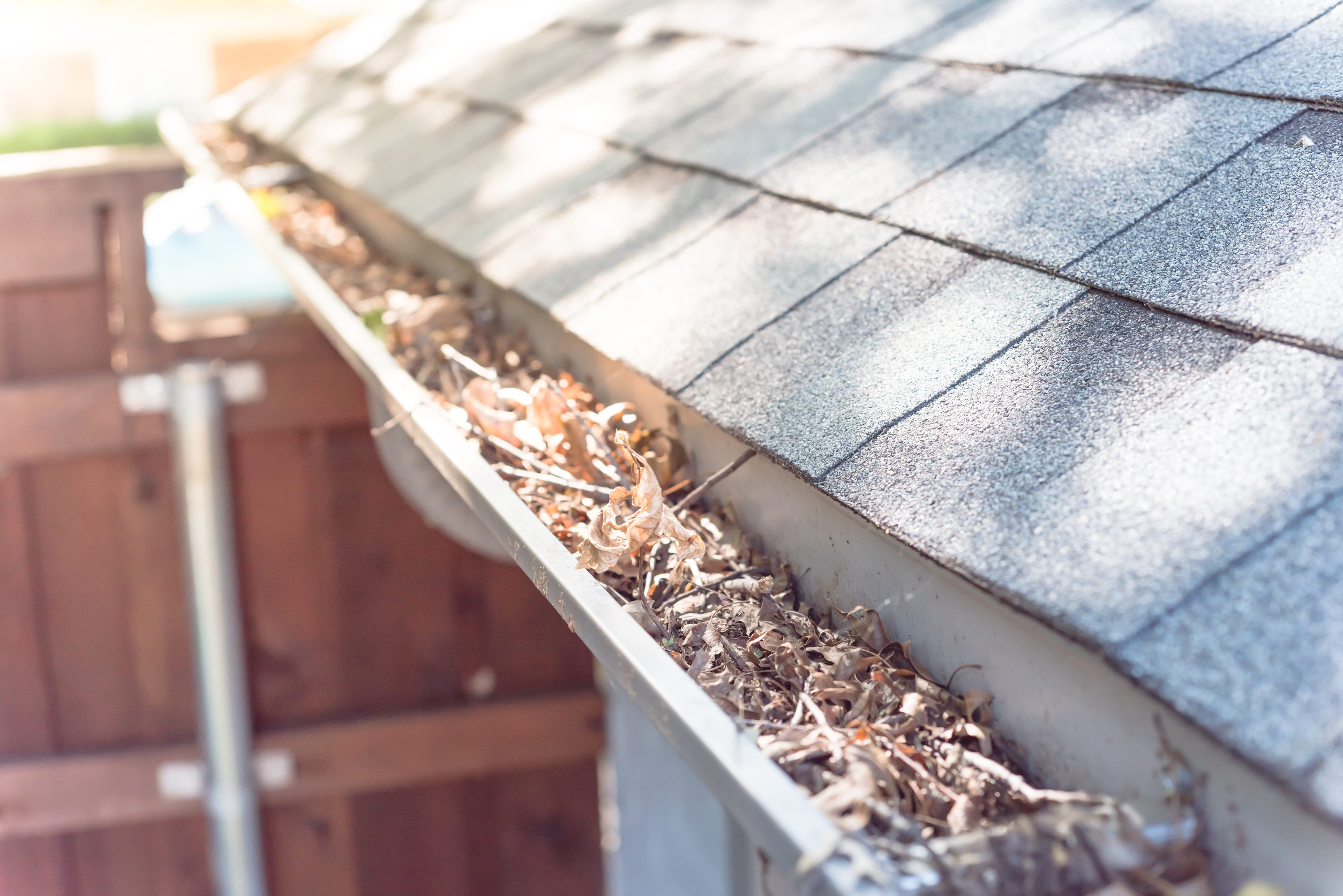
Unfortunately, when those leaves collect inside your gutters, they can create significant drainage problems.
Minnesota’s fall season brings leaves, pine needles, twigs, and other debris that accumulate in gutter channels.
When gutters become clogged, water may overflow instead of flowing through the downspouts.
Watch for:
The U.S. Department of Energy explains that properly functioning gutters and downspouts help move roof runoff away from foundations, reducing the likelihood of moisture-related problems.
In Minnesota, trapped water can also freeze when temperatures drop.
Routine cleaning, drainage inspections, and repairs help keep the system working properly.
North Edge Exteriors offers seamless gutter installation and gutter guard systems designed to manage runoff and reduce debris accumulation.
Gutter guards can reduce cleaning demands, but periodic maintenance remains important.
Not every frightening exterior problem involves water damage.
Some problems make themselves known when your heating bill arrives.
Older or poorly performing windows can contribute to drafts, uneven temperatures, and increased heating demands.
You might notice that one room feels colder than the others or that curtains move even when the windows are closed.
Common warning signs include:
Not every draft requires window replacement.
Sometimes weatherstripping, caulk, or hardware repairs can address the issue.
However, persistent drafts combined with damaged frames, failed glass seals, or significant deterioration may indicate that replacement is worth considering.
Energy-efficient windows can help improve indoor comfort and reduce heat transfer when properly selected and installed.
For Minnesota homeowners, evaluating window problems before the coldest months can make winter living spaces more comfortable.
Some of the most concerning home problems are the ones you cannot immediately see.
Moisture may enter around poorly detailed windows, damaged flashing, roof penetrations, or other vulnerable areas.
Over time, unwanted moisture can affect wood framing, sheathing, insulation, and interior finishes.
The challenge is that damage may develop behind exterior materials before becoming obvious.
Watch for:
These symptoms don’t always mean extensive damage exists, but they provide a reason to investigate.
The University of Minnesota Extension identifies moisture problems as an important home-maintenance concern and emphasizes finding and correcting the source of unwanted water.
Simply covering a stain or replacing a damaged piece of trim without addressing the moisture source may allow the problem to return.
A careful evaluation helps determine whether the issue involves roofing, siding, flashing, drainage, or another component.
Ice dams may not be visible during October, but the conditions that contribute to them can already exist.
An ice dam forms when snow melts on a warmer portion of the roof and refreezes near a colder roof edge.
As ice accumulates, it can prevent additional meltwater from draining properly.
That trapped water may find its way beneath roofing materials and into the home.
The University of Minnesota Extension explains that uneven roof temperatures are a primary factor.
Heat escaping from the home can warm portions of the roof, causing snow to melt while colder areas remain below freezing.
Potential contributing factors include:
Cleaning gutters is important, but clean gutters alone cannot prevent ice dams caused by heat loss.
Long-term prevention often involves improving attic air sealing and insulation.
Homeowners who experienced significant ice dams during previous winters may benefit from investigating those conditions before snowfall begins.
Sometimes the scariest exterior problems aren’t dramatic at all.
They’re the small repairs that get postponed year after year.
A loose piece of trim, deteriorated sealant, damaged flashing, or minor gutter leak might seem easy to ignore.
However, these components help protect the connections between larger exterior systems.
When they deteriorate, water and air may reach areas that should remain protected.
Pay attention to:
The goal isn’t to replace every aging material immediately.
Instead, homeowners should determine whether a problem affects the exterior’s ability to manage water, resist weather, or maintain a secure connection.
A minor repair completed at the appropriate time may help prevent a larger maintenance issue later.
Minnesota’s seasonal changes make fall an especially useful time for exterior inspections.
During autumn, homeowners can often see roofing edges, siding, gutters, and other exterior components before snow begins covering portions of the property.
Cooler temperatures also reveal drafts and comfort problems that may have been less noticeable during summer.
Once winter arrives, several conditions can complicate exterior maintenance:
This doesn’t mean every exterior concern requires immediate replacement.
It means fall provides an opportunity to identify problems, understand their severity, and plan appropriate maintenance.
You don’t need to be a roofing or siding expert to recognize that something may be wrong.
A visual inspection from the ground can reveal many potential concerns.
Walk around your property and look at the exterior from several angles.
Pay attention to the roofline, siding, gutters, windows, doors, trim, and areas where different materials meet.
Consider these questions:
Photograph unusual conditions so you can compare changes over time or share the images with an exterior professional.
Avoid climbing onto the roof or working from unsafe ladder positions. Many concerns can be identified from the ground and evaluated more thoroughly by qualified professionals.
Halloween is supposed to be a little frightening. Your home’s exterior shouldn’t be.
The seven problems covered here—roof damage, deteriorating siding, clogged gutters, inefficient windows, hidden moisture, ice-dam conditions, and neglected repairs—can affect Minnesota homes in different ways.
Some require routine maintenance. Others may need professional repairs or replacement.
The important thing is recognizing warning signs before weather conditions make them harder to address.
A thoughtful fall inspection helps homeowners understand the condition of their property and make informed decisions about maintenance priorities.
By paying attention to these exterior home problems, you can approach Minnesota’s winter season with a clearer understanding of what your home needs to remain protected.
North Edge Exteriors is a locally owned exterior contractor based in Cambridge, Minnesota, providing roofing, siding, window, seamless gutter, and gutter guard services.
The company offers exterior inspections, repairs, and replacement services that help homeowners evaluate and maintain important components of their properties.
Homeowners researching exterior maintenance or considering improvements can use professional evaluations to better understand their options.
North Edge Exteriors
1650 32nd Ave SW
Cambridge, MN 55008
Phone: 320-515-9134
Email: info@NorthEdgeExteriors.com