
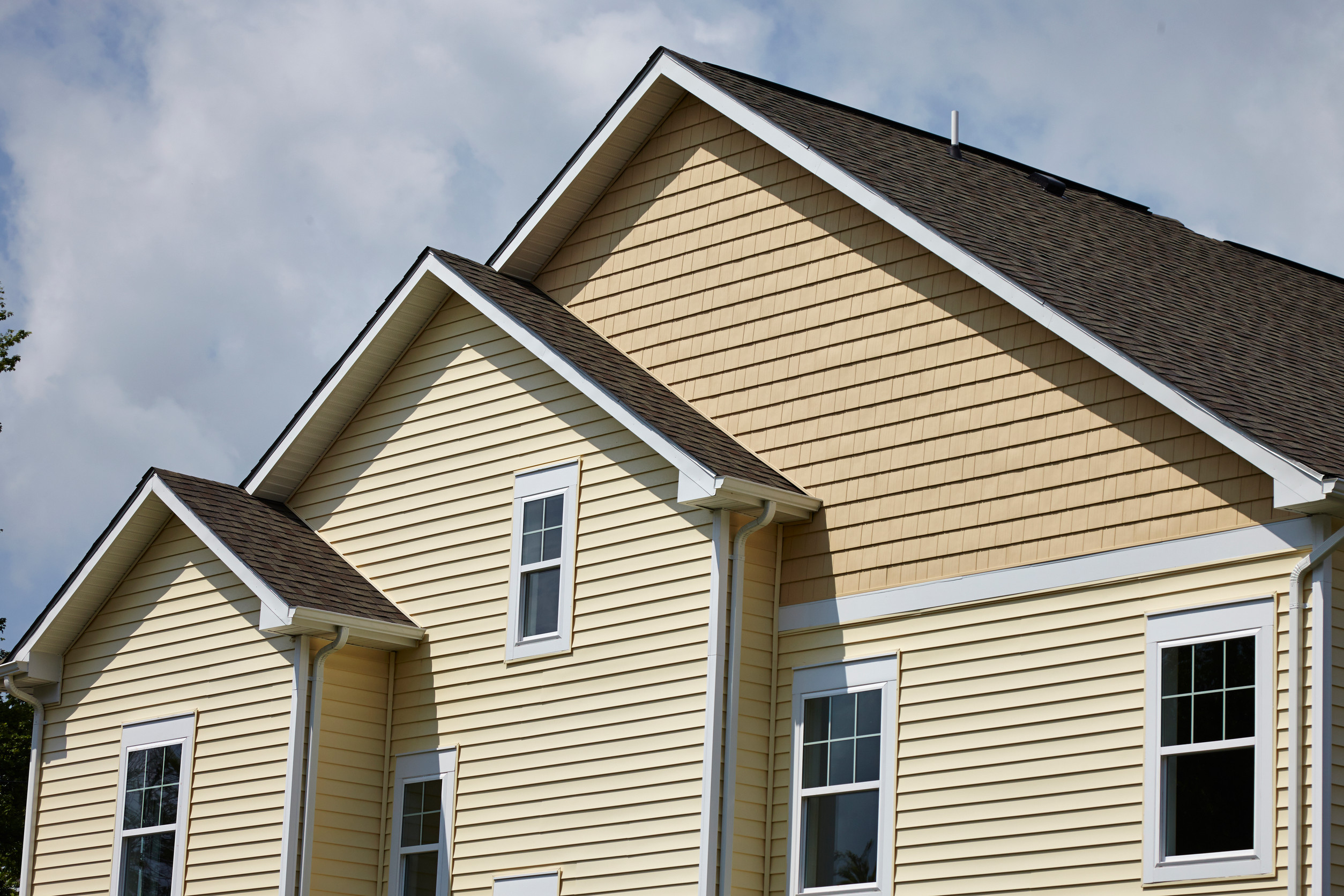
Selecting the right siding for your home is about more than looks — it’s a long-term choice that affects durability, energy performance, maintenance requirements, and curb appeal. For homeowners in Minnesota, where weather ranges from freezing winters to humid summers, understanding siding materials and their advantages is essential. This reference guide breaks down popular siding options, what to consider when making a choice, and how expert installation supports lasting performance.
Siding is the exterior cladding that protects your home’s structure from weather, moisture, wind, and temperature extremes. Beyond functional protection, siding plays a major role in your home’s visual character and can significantly improve resale value and energy efficiency. A professionally installed siding system — with proper moisture control and insulation layers — shields your home for years to come.
Minnesota’s climate presents more challenges than many other states. Bitterly cold winters, heavy snow, freeze-thaw cycles, and occasional summer storms all test exterior materials. In this environment, siding must be durable, low-maintenance, and capable of resisting moisture infiltration and cracking. That’s where both material choice and quality installation are critical — giving you protection and peace of mind.
For homeowners seeking professional exterior services in Minnesota, North Edge Exteriors offers comprehensive solutions including siding installation and replacement tailored to regional needs, backed by skilled craftsmanship and reliable materials.
When comparing siding options, it’s helpful to think in terms of durability, maintenance needs, cost, aesthetics, and climate performance. Different materials balance these factors differently, and the right choice depends on your home’s style and your long-term goals.
Here’s a breakdown of some of the most common siding materials used by homeowners today:
Vinyl Siding
Fiber Cement Siding
Wood Siding
Metal Siding (Aluminum/Steel)
Stone and Brick Veneer
Each material offers a unique balance of performance attributes. For example, vinyl tends to be the most budget-friendly, while fiber cement and stone veneer offer greater longevity and curb appeal at higher cost.
Choosing siding isn’t only about the material — it’s also about how that material fits your home’s architecture and your financial plan. Here are some factors to consider:
In Minnesota’s challenging climate, investing in materials with high durability and proper installation can pay off in reduced repairs and enhanced home comfort over time.
Even the best siding material will underperform if not correctly installed. Proper installation ensures:
A professional contractor understands these details and how to match them with local climate conditions. Companies with experience in Minnesota, like North Edge Exteriors, bring not only technical expertise but also familiarity with materials that perform well in regional weather patterns.
When evaluating siding choices, also consider:
Good warranties and professional follow-through help protect your investment long after installation is complete.
Every home and homeowner is unique, and the “best” siding choice depends on your specific goals — whether that’s maximizing durability, minimizing maintenance, keeping costs manageable, or enhancing aesthetic charm. Understanding the strengths and limitations of different materials helps you make an informed decision that aligns with your priorities and Minnesota’s climate demands.
Professionals with local expertise, experienced in comprehensive exterior services like siding installation and advice, play a valuable role in guiding homeowners toward the right decision.
Resources:
“https://northedgeexteriors.com/“
“https://www.bhg.com/home-improvement/exteriors/siding/house-siding-options/“