
Homes in Minnesota face some of the most demanding weather conditions in the United States. From heavy snowfall and ice accumulation in winter to spring storms, summer heat, and strong winds, the exterior of a home must be built to withstand significant environmental stress. Among all exterior components, the roof plays one of the most important roles in maintaining the structural integrity and energy performance of a home.
A reliable roofing system acts as the first barrier between the interior of a home and the elements outside. When properly installed and maintained, roofing materials help manage moisture, regulate temperature, and protect underlying structures from long-term damage. For homeowners considering exterior improvements, understanding the fundamentals of roofing systems can help clarify why roof maintenance, repair, or replacement is such an important part of responsible home ownership.
This article explores the role roofing plays in home protection, the materials commonly used in residential roofing, and how roofing upgrades support energy efficiency and long-term property value in Minnesota.
A roof performs several key functions beyond simply covering the top of a home. The entire roofing system—including shingles, underlayment, flashing, and ventilation—works together to provide comprehensive protection against environmental conditions.
The primary functions of a roofing system include:
In regions like Minnesota, where freeze-thaw cycles occur frequently, roofing systems must be durable enough to handle expansion and contraction without cracking or weakening.
Properly installed roofing also protects other components of the home’s exterior envelope, including siding, windows, and foundation systems.
Minnesota’s climate places unique demands on roofing systems. Homeowners often experience weather patterns that can quickly expose weaknesses in roofing materials or installation methods.
Common weather challenges include:
Accumulated snow can place significant weight on a roof. Roofing systems must be designed to handle these loads without sagging or structural strain.
Ice dams occur when snow melts and refreezes along the roof’s edge. This can trap water beneath shingles, allowing moisture to penetrate the roof deck.
Minnesota storms often bring hail, which can damage shingles by cracking or dislodging protective granules.
Strong winds can lift shingles or expose vulnerable areas of the roof, especially if materials have aged or deteriorated.
Because of these environmental factors, roofing systems in Minnesota must be designed with durability and proper ventilation in mind.
Several roofing materials are used for residential properties, but asphalt shingles remain one of the most widely selected options in Minnesota.
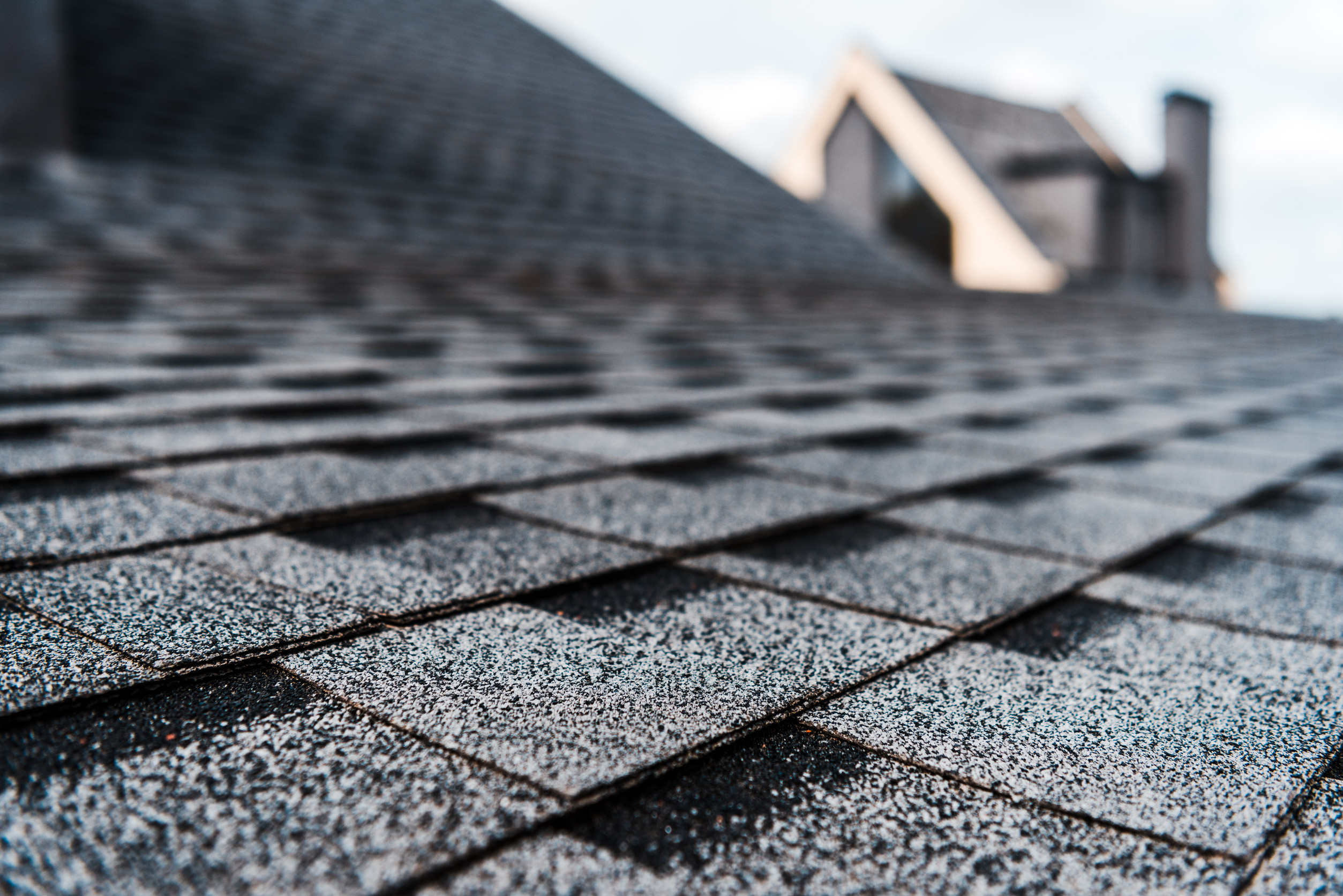
Asphalt shingles are popular because they combine affordability, durability, and versatility. Modern shingles are manufactured with reinforced fiberglass layers and protective granules that improve resistance to weather damage.
Benefits of asphalt shingles include:
Architectural or dimensional shingles offer additional thickness and durability compared to traditional three-tab shingles. Their layered construction also enhances the visual depth of a roof.
In areas where hailstorms are common, impact-resistant shingles provide additional protection. These materials are engineered to withstand stronger impacts without cracking.
Selecting the right roofing material depends on factors such as home design, budget, and environmental conditions.
Roof ventilation plays a critical role in maintaining both the roof’s lifespan and a home’s energy efficiency. Without proper airflow, heat and moisture can accumulate in the attic, leading to several issues.
These may include:
A balanced ventilation system typically includes intake vents near the roof’s lower edge and exhaust vents near the ridge. This allows air to circulate naturally, helping regulate attic temperature.
According to the U.S. Department of Energy, proper ventilation and insulation together can significantly improve energy efficiency and reduce heating and cooling costs.
Many homeowners do not notice roofing issues until visible damage appears inside the home. Regular inspections help identify early warning signs before they develop into major structural concerns.
Indicators that a roof may require repair or replacement include:
After severe weather events, it is also advisable to inspect roofing systems for potential storm damage.
Routine inspections help extend the lifespan of roofing materials while maintaining the integrity of the home.
A well-designed roofing system contributes significantly to home energy efficiency. Insulation and reflective roofing materials help regulate interior temperatures and reduce strain on heating and cooling systems.
Energy-efficient roofing strategies include:
According to ENERGY STAR®, improvements in insulation and roofing efficiency can reduce heating and cooling energy consumption.
For homeowners in northern climates, reducing heat loss during winter months is particularly important for lowering energy costs.
While roofing is primarily a functional component of the home, it also plays a major role in visual appearance. The roof often represents a large portion of a home’s exterior surface, making its design and color an important aesthetic element.
Modern roofing materials are available in many styles and color variations, allowing homeowners to complement architectural features and siding materials.
Upgraded roofing can enhance:
A visually appealing roof contributes to long-term property desirability.
Roofing works best when integrated with other exterior elements such as siding, windows, and gutters. These components collectively form the building envelope that protects the home from weather and moisture.
When exterior systems function together effectively, they provide:
Homeowners often evaluate multiple exterior upgrades simultaneously to maintain a cohesive protective system.
North Edge Exteriors provides several exterior improvement services that contribute to this integrated approach, including roofing, siding, windows, and gutter systems.
Maintaining a roofing system helps maximize its lifespan and reduce the likelihood of costly repairs.
Recommended maintenance practices include:
Professional inspections are often recommended after severe storms or when a roof approaches the end of its expected lifespan.
Long-term maintenance ensures the roofing system continues to perform effectively throughout changing weather conditions.
Roofing systems are essential to the long-term protection, energy efficiency, and visual appeal of homes in Minnesota. From managing heavy snowfall to preventing moisture infiltration, a properly installed roof supports the durability of the entire structure.
Understanding how roofing materials, ventilation, insulation, and maintenance work together allows homeowners to make informed decisions about exterior improvements. When combined with siding, windows, and gutters, roofing becomes part of a comprehensive system designed to protect homes from the region’s demanding climate.
For homeowners researching exterior upgrades or evaluating the condition of their roof, gaining a clear understanding of these components can provide valuable insight into maintaining a resilient and efficient home.
North Edge Exteriors
1650 32nd Ave SW
Cambridge, MN 55008
Phone: (320) 515-9134
Email: info@northedgeexteriors.com
This page is intended as an informational resource about roofing and exterior home protection. Property-specific questions or project inquiries can be directed to the North Edge Exteriors team using the contact information above.