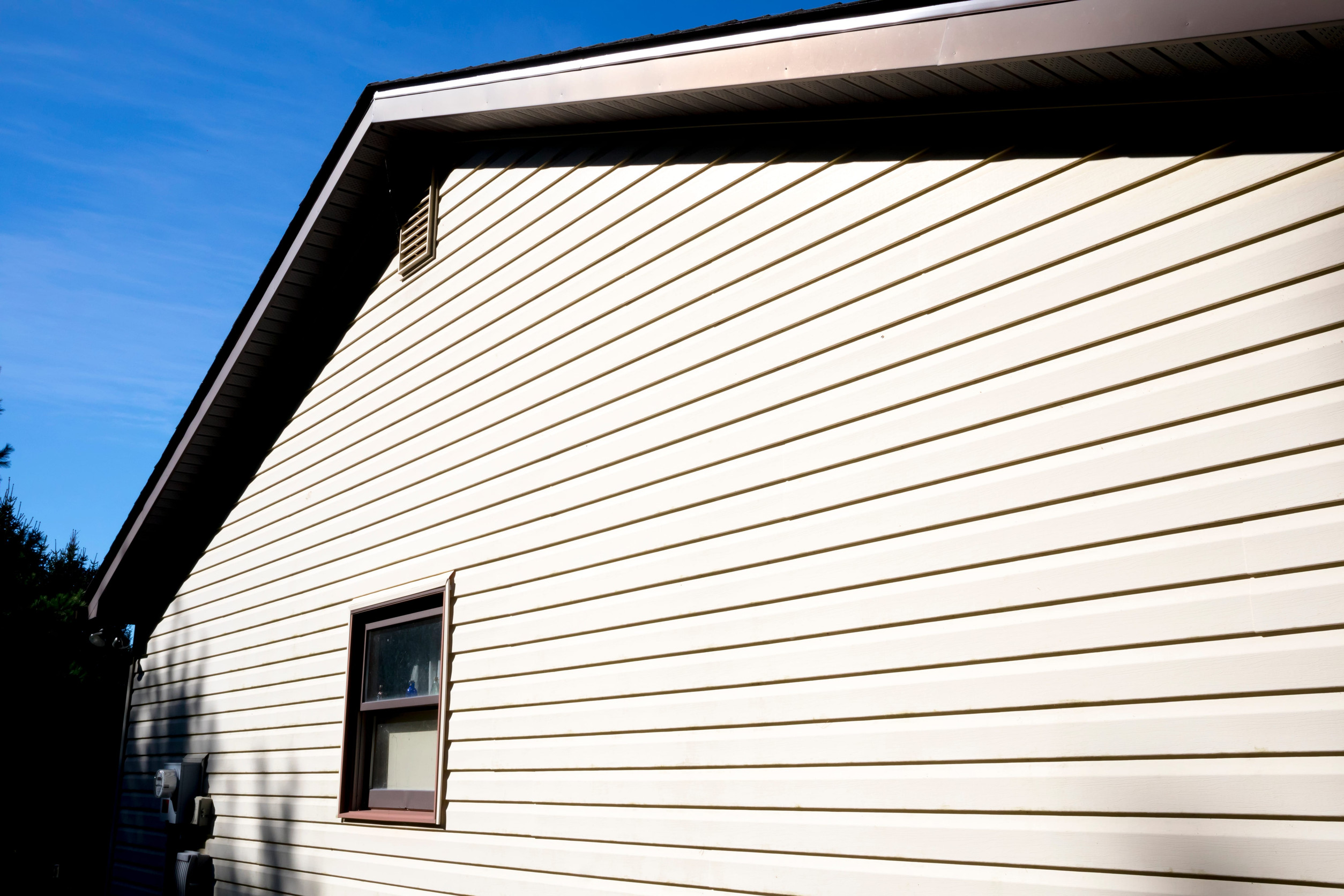
Siding plays a vital role in protecting your home while also shaping its overall appearance. For homeowners in Minnesota, siding must do more than just look good—it must withstand freezing temperatures, heavy snow, strong winds, and seasonal moisture. Over time, even the most durable siding materials begin to show signs of wear, making replacement an important part of long-term home maintenance.
Choosing the right siding involves understanding how different materials perform in a northern climate, how they impact energy efficiency, and how they contribute to the overall value of a home. With several modern options available, homeowners have more flexibility than ever when it comes to selecting siding that meets both functional and aesthetic needs.
This guide explores the most common siding materials, their benefits, and how to determine which option is best for your home.
Siding serves as one of the first lines of defense against environmental elements. It protects the structural components of your home from moisture, wind, and temperature fluctuations. When siding begins to fail, it can lead to a range of issues, including water damage, mold growth, and reduced insulation performance.
Replacing outdated or damaged siding provides several key benefits:
New siding materials are designed to resist moisture intrusion and withstand harsh weather conditions, which is especially important in Minnesota.
Modern siding systems often include insulation or can be paired with insulation upgrades, helping to reduce energy loss and improve indoor comfort.
Siding significantly impacts the exterior appearance of a home. Updated siding can transform the look of a property and increase its market value.
Many newer siding materials require less upkeep compared to older options, allowing homeowners to spend less time on maintenance.
Because siding plays such a critical role in protecting the home, replacing it at the right time is essential for maintaining long-term structural integrity.
Knowing when to replace siding can help prevent more serious issues. Some common indicators include:
If these signs are present, it may be time to consider a siding inspection and potential replacement.
Homeowners today have several siding materials to choose from, each offering unique advantages. Understanding the differences can help guide the decision-making process.
Vinyl siding is one of the most widely used siding materials due to its affordability and versatility. It is available in a wide range of colors and styles, making it easy to match various architectural designs.
While vinyl siding performs well in many conditions, extreme temperature fluctuations can sometimes cause expansion and contraction. High-quality installation is important to ensure proper performance in Minnesota’s climate.
Fiber cement siding has become increasingly popular due to its strength and ability to withstand harsh weather conditions. It is made from a mixture of cement, sand, and cellulose fibers.
Fiber cement siding typically has a higher upfront cost than vinyl, but its durability and longevity often make it a worthwhile investment.
Engineered wood siding combines the appearance of traditional wood with improved durability. It is designed to resist moisture and pests while maintaining a natural aesthetic.
Although more durable than natural wood, engineered wood still requires some maintenance to preserve its appearance over time.
Insulated siding is designed with a layer of foam insulation attached to the back of the panels. This added insulation helps improve thermal performance and reduce energy loss.
Insulated siding can have a higher upfront cost, but it may lead to long-term savings through reduced energy consumption.
When choosing siding, it is helpful to compare materials based on key factors:
Minnesota’s climate requires siding that can withstand:
Choosing siding materials designed for these conditions helps ensure long-term performance. Proper installation, sealing, and ventilation also play a critical role in preventing moisture-related issues.
Even the best siding materials will not perform properly if they are not installed correctly. Professional installation ensures that siding is properly sealed, aligned, and secured to protect against moisture intrusion and weather damage.
Improper installation can lead to:
Working with experienced professionals helps ensure that siding systems are installed to meet the demands of Minnesota’s climate.
Replacing siding is a significant investment, but it offers long-term benefits that extend beyond aesthetics. A properly installed siding system can:
According to ENERGY STAR, improving a home’s exterior insulation and building envelope can contribute to better energy performance and reduced heating and cooling costs.
By selecting the right siding material and ensuring proper installation, homeowners can create a more durable and efficient home exterior.
When planning a siding replacement project, homeowners should consider:
Taking the time to evaluate these factors helps ensure that the chosen siding material meets both functional and aesthetic needs.
North Edge Exteriors provides siding solutions designed to withstand Minnesota’s climate while enhancing the durability and appearance of residential properties. With experience in siding replacement and exterior services, the team focuses on quality craftsmanship and reliable installation.
If you would like additional information about siding options or exterior home services, North Edge Exteriors can provide guidance tailored to your property.
North Edge Exteriors
Phone: 320-515-9134
Email: info@northedgeexteriors.com