
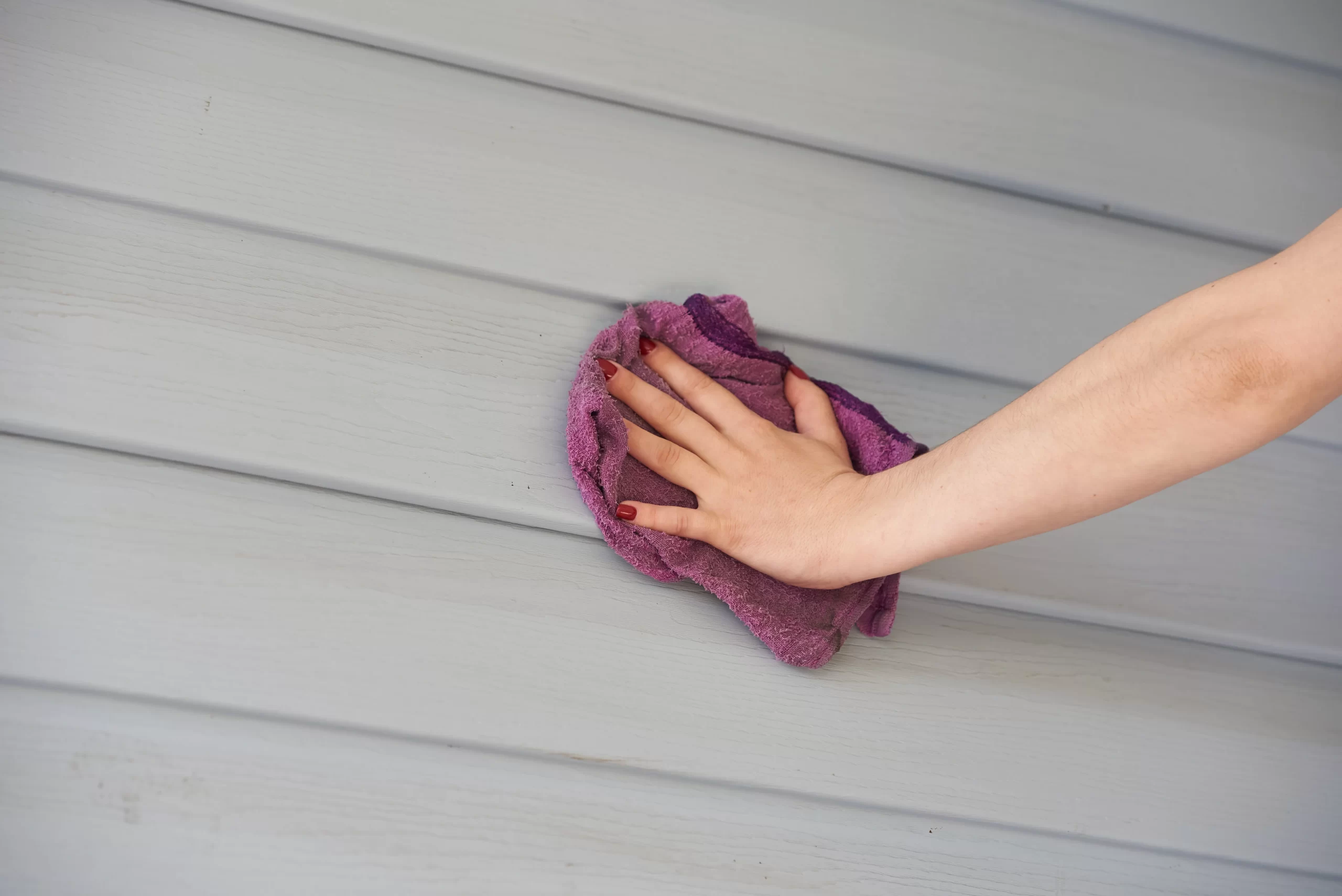
Siding is one of the most important protective components of a home’s exterior. While many homeowners focus on roofing, windows, and landscaping, siding often goes unnoticed until visible damage appears. Unfortunately, by the time cracks, warping, or discoloration become obvious, underlying issues may have already developed beneath the surface.
In Minnesota, siding faces constant exposure to harsh weather conditions, including snow, ice, wind, hail, heavy rain, and dramatic temperature fluctuations. Over time, these conditions can create hidden vulnerabilities that allow moisture intrusion, reduce energy efficiency, and compromise the structural integrity of a home.
Unlike obvious storm damage, hidden siding damage often develops gradually. Small issues can remain undetected for months or even years before causing noticeable problems inside the home. Understanding the warning signs can help homeowners identify concerns early and avoid more extensive repairs in the future.
This guide explores common signs of hidden siding damage, how it affects home performance, and why routine exterior inspections are an important part of protecting your investment.
Most homeowners expect damaged siding to be easy to identify. However, many siding-related issues begin beneath the visible surface.
Moisture may penetrate behind siding panels through:
Once moisture enters the wall system, damage can continue to spread without obvious exterior symptoms.
Because siding serves as a barrier between the home and the elements, even small vulnerabilities can have long-term consequences.
Minnesota homes experience some of the most challenging weather conditions in the country.
Throughout the year, siding must withstand:
These conditions place constant stress on exterior materials.
When siding begins to deteriorate, it can affect:
Because damage often starts gradually, homeowners benefit from understanding the early warning signs.
One of the most common signs of hidden siding damage is warping or buckling.
Siding should sit flat against the home’s exterior. When panels begin to bend, ripple, or bulge outward, it often indicates moisture has become trapped behind the material.
Possible causes include:
Warping is often a symptom rather than the root problem. If moisture remains trapped behind the siding, damage may continue to spread within the wall system.
Hidden siding damage can impact a home’s energy efficiency long before visible deterioration appears.
Damaged siding may allow:
As insulation performance declines, heating and cooling systems must work harder to maintain indoor comfort.
Homeowners who notice unexplained increases in utility bills should consider whether exterior components—including siding—may be contributing to energy loss.
According to ENERGY STAR, improving the building envelope helps reduce energy waste and improve overall home performance.
Moisture is one of the most damaging threats to siding systems.
When water becomes trapped behind siding materials, conditions may become favorable for:
Signs may include:
While mold may appear on the surface, it often indicates a deeper moisture issue beneath the siding.
Prompt investigation is important to prevent further damage.
Not all siding damage reveals itself on the exterior.
Moisture entering through compromised siding can eventually affect interior walls.
Homeowners may notice:
These symptoms often indicate water intrusion that has traveled beyond the exterior wall system.
Because the source of moisture may be hidden behind siding, identifying the root cause can require a thorough inspection.
Hidden moisture can weaken structural materials over time.
When inspecting the exterior of a home, homeowners may notice:
These conditions may indicate prolonged exposure to moisture behind the siding.
Left unaddressed, structural damage can become increasingly costly to repair.
Caulking helps create a weather-resistant seal around:
Over time, caulking can:
Once seals begin to fail, moisture may enter behind the siding system.
Because these openings are often small, water intrusion can continue unnoticed for extended periods.
Regular inspection of caulking and seals helps identify potential vulnerabilities before larger problems develop.
Many homeowners associate peeling paint with indoor humidity issues, but exterior moisture intrusion can also be responsible.
When siding allows water into wall cavities, moisture may affect interior finishes.
Signs include:
These symptoms may indicate that hidden siding damage has already begun affecting the interior structure.
Damaged siding can create entry points for unwanted pests.
Small gaps and openings may allow:
to access wall cavities.
Once inside, pests can contribute to additional damage by affecting insulation, wiring, and structural materials.
Unexpected increases in pest activity may indicate hidden weaknesses within the siding system.
Minnesota storms often cause siding damage that is easy to overlook.
Hail may create:
Strong winds can loosen panels or create separation at seams.
Even when cosmetic damage appears minor, underlying moisture protection may be compromised.
Regular inspections following severe weather events can help identify hidden issues before they worsen.
Color fading is often viewed as a cosmetic concern, but it may also signal aging materials.
As siding ages, UV exposure can weaken its protective properties.
Severe discoloration may indicate:
When fading is accompanied by other symptoms such as cracking or warping, replacement may become necessary.
Hidden siding damage rarely remains isolated.
Over time, untreated issues can contribute to:
Water entering behind siding may damage insulation, framing, and drywall.
Air leaks and compromised insulation increase heating and cooling costs.
Persistent moisture creates ideal conditions for mold development.
Wood rot and material decay can weaken wall systems.
Visible damage eventually impacts the home’s overall appearance and value.
Because these problems often develop gradually, early detection is critical.
Many forms of siding damage are difficult to identify without specialized experience.
Professional inspections can evaluate:
Routine inspections help homeowners understand the condition of their siding and identify potential issues before they become larger concerns.
For Minnesota homeowners, annual exterior evaluations can be particularly valuable due to the region’s demanding climate.
While not all siding damage can be prevented, homeowners can reduce risk through regular maintenance.
Recommended practices include:
Monitor siding condition and identify concerns early.
Inspect siding after hailstorms, high winds, and severe weather.
Ensure proper water drainage away from siding and foundation areas.
Replace deteriorated seals around windows and doors.
Keep shrubs and landscaping from trapping moisture against siding.
These proactive measures help extend siding lifespan and improve long-term performance.
Siding plays a vital role in protecting homes from Minnesota’s challenging weather conditions. While visible damage often receives immediate attention, hidden siding damage can be just as serious—and often more costly when left untreated.
By understanding common warning signs such as warping, moisture intrusion, rising energy bills, mold growth, and interior water stains, homeowners can identify concerns before they lead to extensive repairs.
Regular maintenance, storm inspections, and professional evaluations help ensure that siding continues to provide reliable protection while preserving comfort, efficiency, and curb appeal.
North Edge Exteriors provides siding replacement and exterior remodeling solutions designed to help Minnesota homeowners protect and enhance their properties. With experience in siding installation, storm damage assessments, and exterior improvements, the team focuses on quality craftsmanship and dependable results tailored to local climate conditions.
If you would like additional information about siding systems, exterior maintenance, or home improvement services, North Edge Exteriors can provide guidance based on your property’s needs.
North Edge Exteriors
Phone: 320-515-9134
Email: info@northedgeexteriors.com