
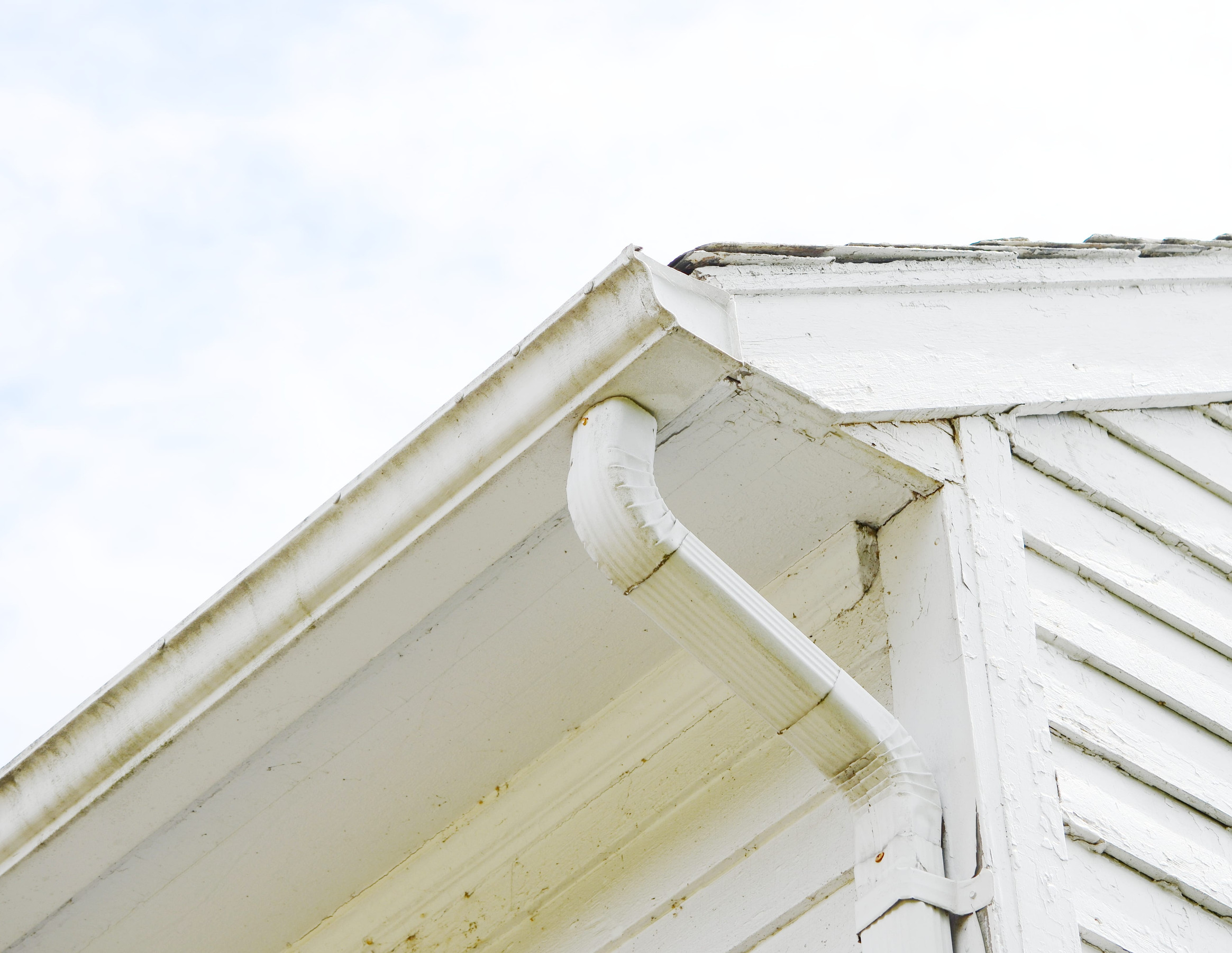
Most homeowners understand that gutters play an important role in protecting their homes from rainwater, but many overlook the equally important role of downspouts. While gutters collect water from the roof, downspouts are responsible for directing that water safely away from your home’s foundation. When downspouts are too short, improperly placed, clogged, or damaged, thousands of gallons of water each year may collect around the base of your home, potentially leading to costly structural issues.
In Minnesota, where homes experience heavy snowfall, spring snowmelt, frequent summer thunderstorms, and freeze-thaw cycles, proper drainage becomes even more important. A well-designed gutter and downspout system helps protect your roof, siding, landscaping, basement, and foundation from excessive moisture.
Many homeowners don’t think about their downspouts until they notice standing water, basement leaks, or foundation cracks. However, understanding how proper downspout placement affects foundation health can help prevent expensive repairs while extending the life of your home’s exterior.
Every home is built on a foundation designed to support the weight of the structure while remaining stable throughout changing weather conditions.
When rainwater consistently collects near the foundation, the surrounding soil becomes saturated. As moisture levels increase, the soil expands. During dry periods, the soil contracts. In Minnesota, winter freezing causes additional expansion as water freezes beneath the surface.
These continual changes place stress on foundation walls.
Over time, excessive moisture may contribute to:
Proper downspout placement helps minimize these risks by moving water away before it has an opportunity to soak into the soil surrounding the home.
A gutter system is only as effective as its drainage.
The process works like this:
If any part of this system fails, water often ends up exactly where it shouldn’t—next to the foundation.
North Edge Exteriors installs seamless gutters designed to efficiently direct water away from homes while helping protect foundations and landscaping. Their gutter systems are custom-fit to improve drainage and reduce leaks compared to sectional gutters.
One of the most common drainage mistakes is allowing downspouts to discharge water directly beside the foundation.
During a single heavy rainfall, hundreds of gallons of water may pour from one downspout.
When that water repeatedly lands in the same location, several issues may develop.
The ground becomes excessively wet.
Repeated saturation weakens soil stability and increases hydrostatic pressure against foundation walls.
As wet soil expands and contracts, portions of the foundation may begin to shift.
Although movement is often gradual, it can eventually contribute to visible cracking.
Water seeks the path of least resistance.
If drainage remains poor long enough, moisture may eventually find its way into the basement through small cracks or joints.
Improper drainage often causes:
While every property is unique, most professionals recommend directing water several feet away from the home’s foundation.
Extension needs depend on factors such as:
In some situations, underground drainage systems or splash blocks may also help distribute water more effectively.
Minnesota homes experience weather conditions that place extraordinary demands on exterior drainage systems.
Spring snowmelt can release large amounts of water in a short period.
Properly functioning downspouts help move that water safely away from the home.
Sudden heavy rainfall can overwhelm undersized or clogged drainage systems.
Efficient downspouts reduce pooling during these events.
Water remaining near foundations during winter may freeze, expand, and increase stress on foundation walls.
Managing drainage helps reduce these seasonal risks.
Homeowners should periodically inspect their drainage systems for warning signs.
Look for:
Even one of these symptoms may indicate that improvements are needed.
Downspouts work best when combined with proper landscape grading.
Ideally, the soil surrounding the home should slope away from the foundation.
Poor grading allows discharged water to flow right back toward the house.
Together, proper grading and effective downspout placement create a complete drainage system.
Many homes benefit from simple downspout extensions.
Extensions help carry water farther away before it enters the soil.
Options include:
The best solution depends on the home’s layout and drainage needs.
Even perfectly placed downspouts cannot function properly if gutters become clogged.
Leaves, twigs, pine needles, and roofing granules restrict water flow.
Instead of flowing through the downspouts, water often spills over gutter edges.
Overflow may run directly down siding and pool next to the foundation.
Routine gutter cleaning helps maintain proper drainage.
Gutter guards can also reduce debris buildup while allowing water to flow more freely. North Edge Exteriors offers gutter guard systems designed to reduce maintenance and improve long-term gutter performance.
Many homeowners postpone gutter maintenance because the problems appear minor.
However, foundation repairs may involve:
Addressing drainage concerns early is typically far less expensive than correcting foundation damage later.
Proper drainage benefits several parts of the property.
Water exits the roof more efficiently during storms.
Reduced splashback helps minimize moisture exposure.
Water is less likely to accumulate around lower window openings.
Plants and mulch remain more stable during heavy rainfall.
Proper drainage helps reduce standing water and slippery surfaces.
Minnesota homeowners should inspect gutters and downspouts several times each year.
Routine maintenance helps ensure water continues flowing where it belongs.
Some drainage problems aren’t immediately obvious.
Professional exterior inspections often evaluate:
Identifying small issues early helps prevent more significant structural concerns later.
Every home has unique drainage needs.
Roof size, landscaping, lot slope, and soil conditions all influence where water should be directed.
Professional installation helps ensure gutters and downspouts work together as a complete water management system instead of simply moving water from one location to another.
Your foundation supports everything above it, yet it is often vulnerable to something as simple as improperly managed rainwater. While gutters collect water from your roof, properly placed downspouts complete the job by directing that water safely away from your home.
For Minnesota homeowners, where heavy snow, spring runoff, and seasonal storms are part of everyday life, investing in proper drainage is an important part of long-term home maintenance. Regular inspections, routine gutter cleaning, and professionally installed downspouts can help preserve your home’s structural integrity, reduce maintenance costs, and protect one of your largest investments for years to come.
North Edge Exteriors
1650 32nd Ave SW
Cambridge, MN 55008
Phone: 320-515-9134
Email: info@northedgeexteriors.com
Website: https://northedgeexteriors.com