
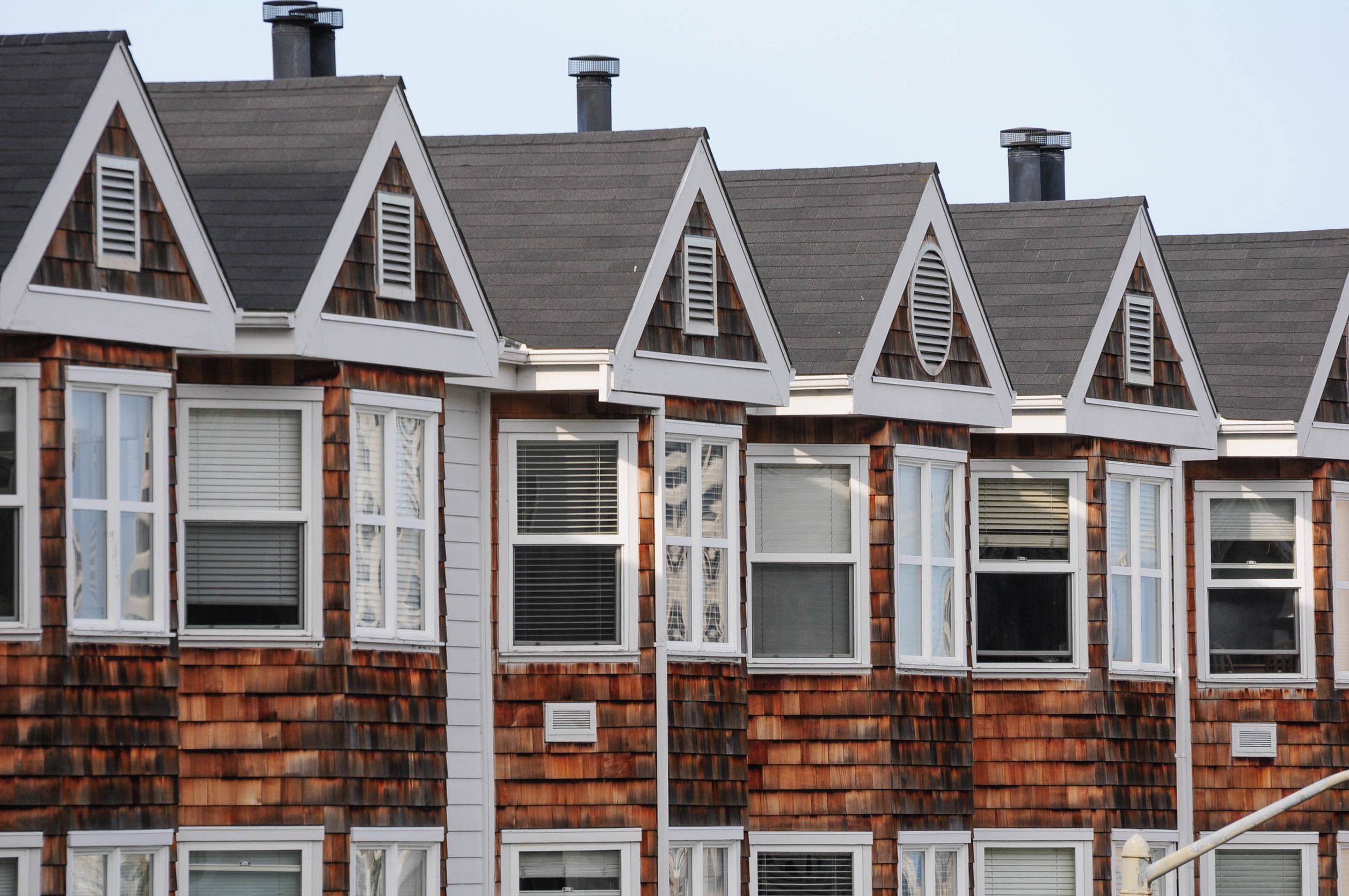
A home’s exterior does far more than create curb appeal. It protects the structure from the elements, reflects the homeowner’s personality, and plays a major role in long-term durability and value. In regions like Minnesota—where homes must endure extreme seasonal changes—the exterior isn’t just decorative; it’s a carefully engineered system.
This guide explores what makes a unique exterior, how design and material choices work together, and why thoughtful exterior planning matters. Drawing inspiration from the craftsmanship-focused approach seen at NorthEdge Exteriors, this article serves as a reference for homeowners interested in creating distinctive, lasting exteriors rather than following short-lived trends.
A unique exterior doesn’t mean unconventional for the sake of being different. Instead, it balances individuality with function, blending architectural style, materials, colors, and details into a cohesive whole.
Key characteristics of unique exteriors include:
Uniqueness often comes from subtle decisions—how siding profiles interact with stone, how window placement enhances symmetry, or how color palettes highlight architectural lines.
In northern climates, exterior design must address more than appearance. Temperature fluctuations, snow loads, ice, wind, and moisture all influence how materials perform over time.
Homes in Minnesota benefit from exteriors designed with:
This is where exterior design and construction expertise intersect. A visually striking exterior that fails prematurely is not truly successful. The most distinctive homes combine visual appeal with structural resilience.
Siding typically occupies the largest visible surface of a home, making it the primary contributor to exterior character.
Unique exteriors frequently combine two or more siding profiles to create contrast and visual interest without overwhelming the structure.
Siding materials play a key role in both appearance and performance:
Choosing the right material depends on architectural goals, maintenance expectations, and environmental exposure.
While roofing is often viewed as purely functional, it contributes significantly to exterior design.
A unique exterior considers the roof as part of the overall design language, not a separate component. High-quality roofing materials also play a vital role in protecting the home from water intrusion and energy loss.
Windows and doors are among the most expressive elements of an exterior. Their placement, size, and trim details influence how the home is perceived.
Beyond aesthetics, well-designed windows and doors improve insulation, reduce drafts, and increase natural light—contributing to both comfort and efficiency.
Often overlooked, trim and accent elements are what elevate an exterior from standard to distinctive.
Examples include:
Transitions between materials should feel intentional. Clean lines and proper spacing help different surfaces work together rather than compete visually.
Even the best materials and designs rely on skilled installation. Proper flashing, alignment, fastening, and sealing all affect how an exterior performs over time.
Companies like NorthEdge Exteriors emphasize craftsmanship because exterior systems function as a whole. When installation quality is high, homes are better protected from moisture intrusion, air leakage, and premature wear—issues that can compromise both appearance and structural integrity.
A unique exterior should age gracefully. While trends can inspire design, timeless principles help ensure longevity:
Homes designed with these principles often maintain curb appeal and resale value longer than those built around fleeting styles.
Today’s exterior projects increasingly account for environmental impact and energy efficiency.
Exterior upgrades can contribute to sustainability by:
Energy-efficient exteriors align with broader building science principles recognized by organizations like the U.S. Department of Energy, which highlights the importance of building envelopes in overall home performance.
In Minnesota and the Upper Midwest, regional identity influences exterior design. Homes often reflect:
Unique exteriors don’t ignore their environment—they respond to it thoughtfully.
A truly unique exterior isn’t defined by one feature alone. It’s the result of coordinated decisions across siding, roofing, windows, trim, and materials, all guided by climate considerations and long-term goals.
By focusing on durability, thoughtful design, and skilled installation, homeowners can achieve exteriors that stand out while remaining functional and resilient. Reference-driven planning, rather than impulse decisions, leads to results that continue to perform and impress year after year.
Resources:
Internal Link:
https://northedgeexteriors.com/services/
External Reference:
https://www.energy.gov/energysaver/protect-your-home-weatherization