
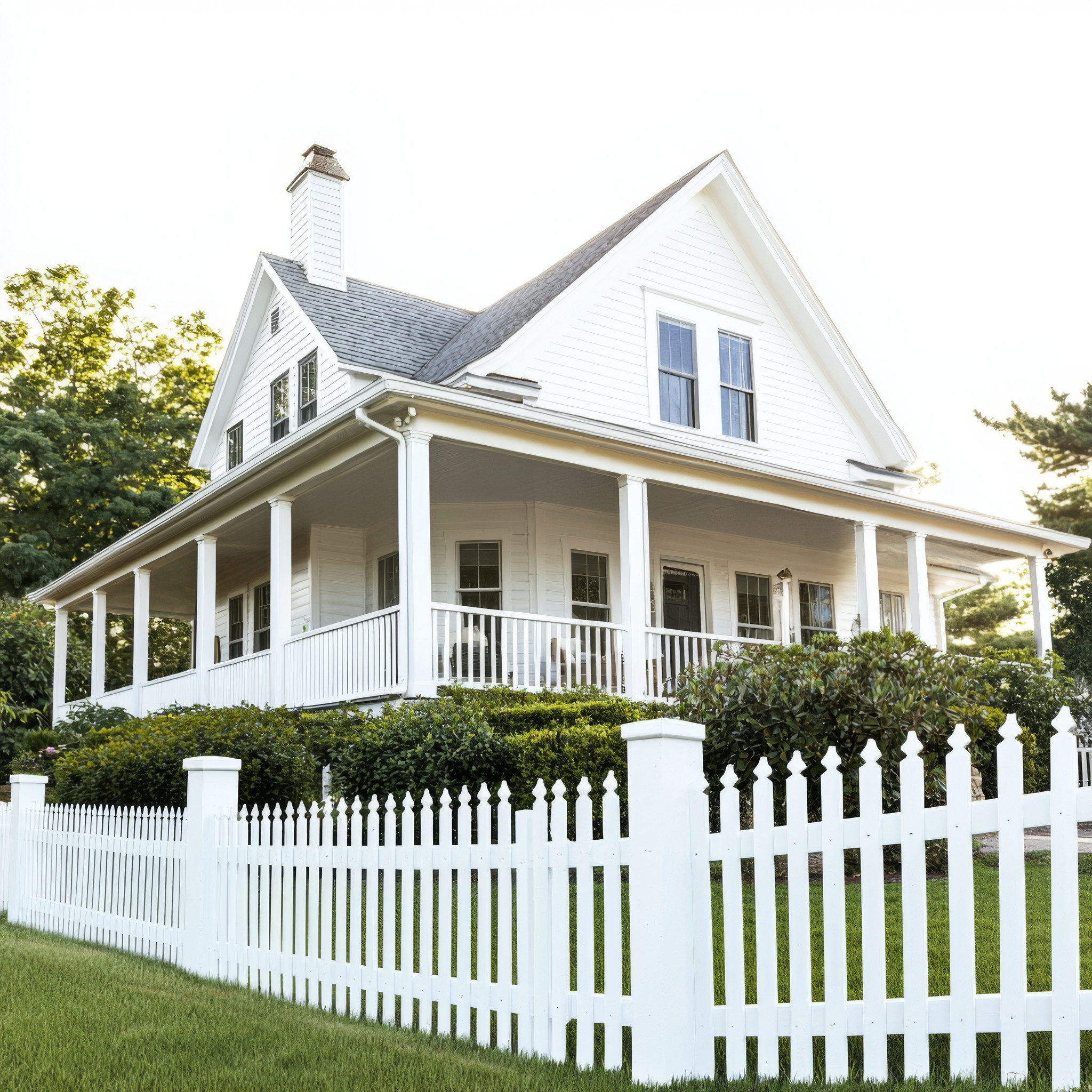
When homeowners consider improvements to their home’s exterior, the options available today are broader, more durable, and more design-forward than ever before. From protective siding materials that defend against the elements to energy-efficient windows and stylish doors that complete a façade, choosing the right exterior features impacts aesthetics, comfort, and long-term performance.
At North Edge Exteriors, exterior remodeling and installation expertise helps homeowners navigate these choices with clarity, quality craftsmanship, and an emphasis on materials that stand up to environmental stressors. This comprehensive reference guide walks through the most relevant exterior options available — what they are, how they compare, and why they matter for both function and style.
The exterior of a home does more than define its look — it shields the structure from weather, supports energy efficiency, and plays a major role in long-term maintenance costs. When selecting exterior products, homeowners balance three fundamental priorities:
Exterior options span materials, colors, styles, and performance levels. Evaluating them through the lens of environment and lifestyle supports informed choices that endure through years of use.
Siding forms the largest visual surface of many homes and offers a first line of defense against weather. Today’s siding options blend form, function, and value.
Vinyl remains one of the most popular choices thanks to its low maintenance, broad color range, and resistance to moisture. Modern vinyl siding systems are engineered for durability and can be paired with insulation to improve energy performance.
Known for its sturdiness and fire resistance, fiber cement siding mimics the look of wood while offering enhanced dimensional stability. It holds paint well and resists rot and pests, making it a strong choice for long-term performance.
These options aim to combine the aesthetics of natural wood with greater durability and reduced maintenance requirements. They can deliver a premium look while addressing common wood vulnerabilities.
Though traditional and timeless, wood siding requires regular maintenance to protect against moisture and pests. Its natural look remains a draw for homeowners seeking classic charm.
Siding decisions affect both visual character and functional performance. Professionals consider local climate, home orientation, and architectural style when recommending sidings that balance these goals.
The roof is arguably the most critical exterior surface, defending your home against sun, rain, snow, and wind. Roofing options vary widely in material, performance, and lifespan.
Asphalt shingles are among the most common roofing materials due to their cost-efficiency, ease of installation, and wide range of aesthetic options. They perform well in many climates and come in various grades that affect durability and warranty.
Metal panels or shingles offer durability and longevity, often lasting longer than traditional asphalt options. They reflect solar heat and resist fire, making them attractive for energy-conscious homeowners.
Architectural asphalt shingles add depth and texture to rooflines and can mimic higher-end materials at a more accessible price point.
The choice of roofing affects not just look, but also insulation plane, rainwater management, and long-term maintenance outlook.
Windows and exterior doors act as both aesthetic focal points and performance-critical features. They influence natural light, energy efficiency, and entryway identity.
Windows now come in advanced frame materials with improved thermal performance. Options include vinyl, fiberglass, and aluminum-clad wood frames — each with different balance of cost, durability, and insulation value. Energy-efficient glass packages also help reduce heat loss in winter and heat gain in summer.
Doors set the tone for entry areas and often serve security, insulation, and design functions simultaneously. Exterior door options range from classic steel entry doors to crafted wood or fiberglass designs. Features such as multi-point locking systems and insulated cores enhance both security and efficiency.
High-quality windows and doors can contribute significantly to energy savings and interior comfort while elevating curb appeal.
Often overlooked, gutters and exterior trim are fundamental components of a home’s exterior system. They protect siding and foundations by directing water away from critical areas.
Balancing aesthetics with strategic water management helps prevent long-term issues such as foundation settling or siding deterioration.
Beyond protective surfaces, exterior options increasingly include outdoor living elements that extend usable space. These may include:
Thoughtful enhancements enrich not only the home’s exterior appearance, but also how occupants interact with outdoor space year-round.
Choosing exterior options isn’t just an aesthetic decision — it’s a performance equation influenced by local weather, exposure to sun or moisture, and maintenance expectations. For example:
Professional assessment often includes evaluation of a home’s orientation, local weather patterns, and substrate conditions to match materials with performance expectations.
Navigating exterior options can feel overwhelming without the right information. Proper selection balances:
When homeowners understand how each exterior choice interacts with environmental conditions and design goals, they can make confident decisions that add value and longevity to their home.
Resources:
Product Reviews and Ratings, Buying Advice and Consumer Advocacy – Consumer Reports