
As the leaves change color and temperatures begin to drop, Minnesota homeowners often turn their attention to preparing for winter. But what happens when you notice missing shingles, recurring leaks, or signs that your roof may be reaching the end of its lifespan?
One question naturally comes to mind: Is it too late to replace your roof this year?
Fortunately, the answer is often no. Fall roof replacement in Minnesota is possible, and autumn can be a practical season for installing a new roof.
However, timing matters. Cooler temperatures, shorter days, unpredictable precipitation, and the possibility of early snowfall can influence how a roofing project is scheduled and completed.
Understanding how fall weather affects asphalt shingles, what conditions roofing contractors look for, and when replacement makes sense can help homeowners make informed decisions.
Here’s what you should know before scheduling a roof replacement as winter approaches.
Yes. Roof replacement can be completed during fall in Minnesota when weather conditions are suitable and the installation follows the roofing manufacturer’s requirements.
In fact, early and mid-fall can offer favorable conditions for roofing work.
Compared with the hottest summer days, moderate fall temperatures may make materials easier to handle and provide more comfortable working conditions for installation crews.
However, Minnesota weather can change quickly.
A sunny October afternoon may be followed by freezing overnight temperatures, strong winds, or unexpected precipitation. That makes flexibility and careful planning important.
The key is not simply choosing a month. It’s determining whether the actual conditions allow the roofing system to be installed correctly.
Homeowners often associate roof replacement with spring and summer, but autumn offers several potential advantages.
Asphalt shingles can be easier to handle during moderate temperatures than during extreme heat or cold.
Very hot weather may soften roofing materials, while cold conditions can make shingles less flexible.
Comfortable fall temperatures can create favorable installation conditions, provided the weather remains dry and the materials meet manufacturer requirements.
Minnesota roofs face months of snow, ice, wind, and freezing temperatures.
If your roof already has significant deterioration, replacing it before winter may help address known vulnerabilities before the most demanding weather arrives.
This is particularly relevant for homeowners dealing with repeated leaks or widespread shingle damage.
Fall provides an opportunity to assess the effects of spring and summer storms.
Hail, strong winds, and fallen branches may leave behind damage that isn’t immediately obvious.
A professional inspection can help determine whether repairs are sufficient or whether a complete replacement deserves consideration.
Temperature is one of the most important considerations during fall roofing projects.
Asphalt shingles are designed to withstand a wide range of temperatures once properly installed. However, installation conditions affect how easily the materials can be handled and how their sealing systems perform.
Many roofing professionals prefer moderate temperatures for installation.
Temperatures around 40°F to 45°F and above can provide more favorable working conditions for certain asphalt roofing products, but there is no universal minimum temperature that applies to every shingle.
Specific manufacturer instructions always take priority.
As temperatures fall, asphalt shingles can become stiffer and more difficult to bend.
This may increase the risk of cracking or other damage during handling, particularly around valleys, ridges, and roof edges.
Cold temperatures can also affect the activation of the adhesive sealant strips found on many asphalt shingles.
These strips are designed to help shingles bond together after installation.
Depending on the product and conditions, the sealing process may take longer in cool weather, and additional manufacturer-approved sealing procedures may be necessary.
A qualified Minnesota roofing contractor should understand the installation requirements for the specific roofing materials being used.
Most modern asphalt shingles include a factory-applied adhesive strip.
After installation, sufficient warmth helps activate the adhesive, allowing overlapping shingles to bond together.
This bond contributes to the roofing system’s resistance to wind uplift.
During warmer weather, the process may happen relatively quickly. During cooler fall conditions, it may take longer.
If temperatures remain too low, shingles may not fully seal until warmer weather returns unless appropriate additional measures are used.
Hand-sealing involves applying a manufacturer-approved roofing adhesive in designated locations to help secure shingles when normal thermal sealing conditions are unfavorable.
It is not something homeowners should attempt themselves.
The need for hand-sealing depends on the product, roof design, installation conditions, and manufacturer instructions.
North Edge Exteriors installs CertainTeed asphalt shingles, so the requirements for the specific CertainTeed product should guide installation decisions.
A roof installed during fall should receive the same attention to proper fastening, flashing, ventilation, and weather protection as one installed during summer.
Temperature isn’t the only factor that affects roof replacement in Minnesota.
Rain, snow, frost, and strong winds can all influence whether roofing work can proceed safely.
Roofing crews need suitable conditions to remove existing materials, inspect the roof decking, install protective components, and complete the new roofing system.
Potential weather-related delays include:
Roofing involves significant fall hazards, and wet or icy surfaces increase those risks.
A professional contractor may adjust the schedule rather than attempt installation during unfavorable conditions.
A short weather delay is often preferable to compromising installation quality or worker safety.
If your roof is showing substantial deterioration, addressing the problem before winter may be beneficial.
However, replacement should be based on the roof’s condition rather than the calendar alone.
Signs that replacement may deserve consideration include:
Not every older roof needs immediate replacement.
Likewise, not every roof with a small leak requires an entirely new roofing system.
A professional inspection helps distinguish isolated repair needs from more extensive deterioration.
Sometimes waiting until spring is reasonable.
If the roof remains in generally good condition and only requires minor maintenance, immediate replacement may not be necessary.
However, postponing a project becomes more concerning when there are active leaks, extensive damage, or compromised roofing components.
Minnesota winters can make existing problems more difficult to monitor.
Snow may conceal damaged areas, while ice and freezing temperatures can complicate repairs.
If replacement cannot be completed before winter, a roofing professional can evaluate whether temporary protective measures or targeted repairs are appropriate.
The important thing is understanding the roof’s condition before deciding to wait.
A fall roofing project generally follows the same major steps as a replacement completed during another season.
The contractor evaluates the existing roof, identifies visible damage, and discusses the appropriate scope of work.
When the project calls for a tear-off, existing roofing materials are removed to expose the underlying roof deck.
The decking is inspected for deterioration or damage that may require correction before new materials are installed.
Underlayment, ice-and-water protection, flashing, and other components are installed according to the roofing system’s requirements.
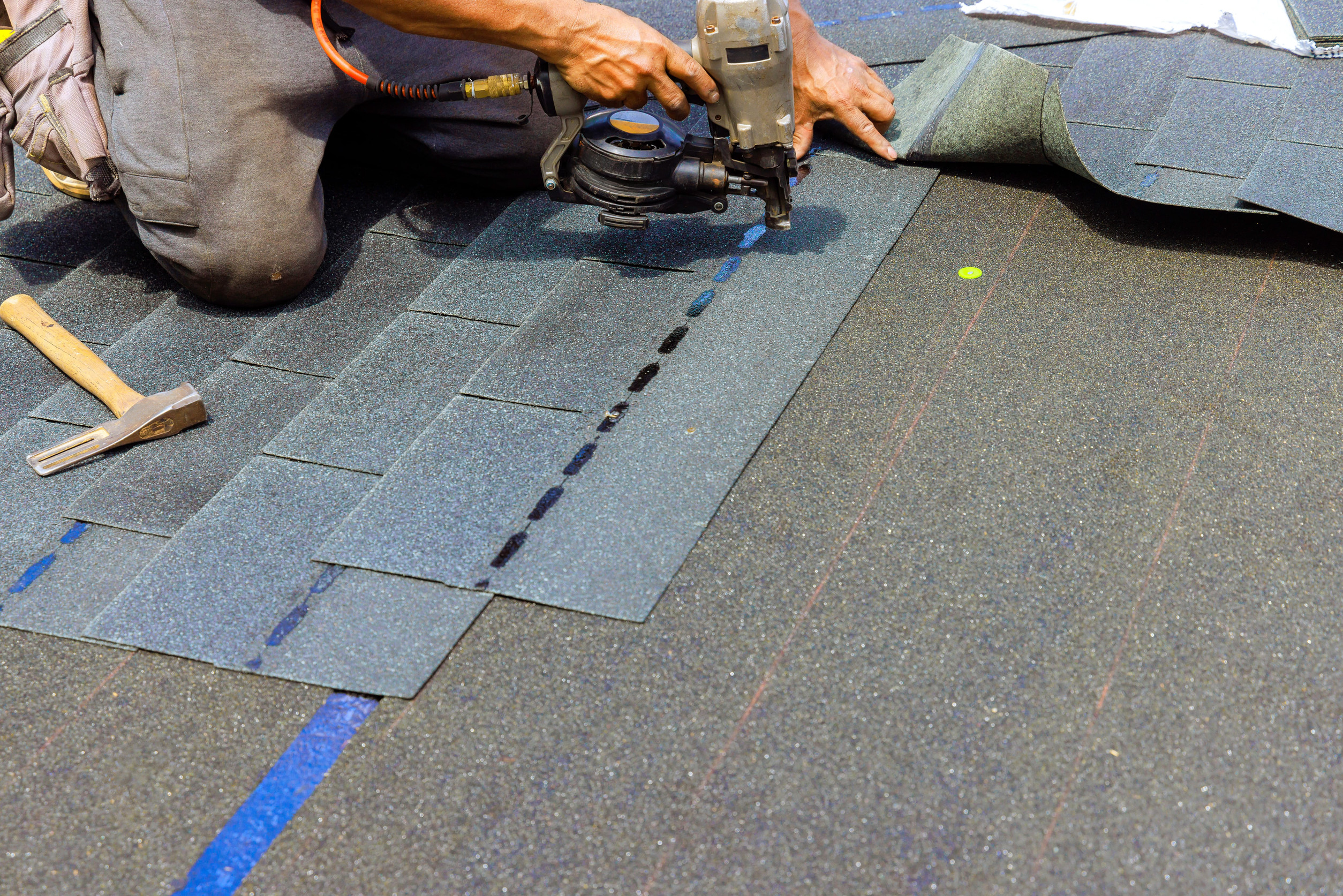
The new asphalt shingles are installed using the fastening and sealing methods specified by the manufacturer.
The contractor removes debris, checks the completed work, and reviews any remaining project details.
Fall weather may influence scheduling, but it should not change the expectation of careful installation.
Not every roofing project has the same requirements, especially when temperatures are dropping.
Choosing an experienced Minnesota roofing contractor is important when planning late-season installation.
Homeowners should understand:
North Edge Exteriors is a 4 Star CertainTeed Certified Contractor offering asphalt shingle roof installation, inspections, maintenance, and repairs.
Its roofing services are designed around Minnesota’s changing weather conditions and homeowners’ exterior protection needs.
There is no universal rule that fall roof replacement costs more or less than replacement during another season.
Project costs depend on several factors, including:
Seasonal demand and contractor availability may also affect scheduling, but homeowners should not assume that fall automatically guarantees a discount.
A detailed estimate provides a more useful basis for evaluating costs than the time of year alone.
There is no single cutoff date for roofing projects throughout Minnesota.
A mild November may offer workable installation days, while an unusually cold October can create challenges much earlier.
Conditions also vary between different parts of the state.
The practical installation window depends on the forecast, roofing materials, roof configuration, and the contractor’s ability to complete the work safely.
For homeowners considering cold weather roofing, the most important question is whether the project can be completed according to manufacturer instructions under the expected conditions.
The best time to replace a roof is when the roof needs replacement and suitable installation conditions are available.
Fall can be an excellent option, but it isn’t automatically better than spring or summer.
Homeowners with a roof in good condition may have flexibility to plan a replacement around their schedule.
Those dealing with significant leaks or deterioration may have fewer reasons to postpone the project.
A roof inspection provides the information needed to make that decision.
Replacing a roof during fall is entirely possible in Minnesota, and moderate autumn temperatures can provide favorable installation conditions.
However, successful fall roof replacement in Minnesota depends on more than the month on the calendar.
Temperature, precipitation, shingle flexibility, adhesive sealing, installation methods, and worker safety all matter.
For homeowners concerned about an aging or damaged roof, fall offers an opportunity to evaluate its condition before winter arrives.
Some roofs may need only repairs or maintenance. Others may benefit from replacement before another season of snow, ice, and freezing temperatures.
Understanding those differences helps homeowners make practical decisions about protecting their property.
North Edge Exteriors is a locally owned exterior contractor based in Cambridge, Minnesota, providing roofing, siding, window, seamless gutter, and gutter guard services.
As a 4 Star CertainTeed Certified Contractor, North Edge Exteriors offers asphalt shingle installation, roof inspections, maintenance, and repairs.
Homeowners researching roof replacement timing, roofing materials, or seasonal maintenance can use professional inspections and project information to better understand their options.
North Edge Exteriors
1650 32nd Ave SW
Cambridge, MN 55008
Phone: 320-515-9134
Email: info@NorthEdgeExteriors.com