
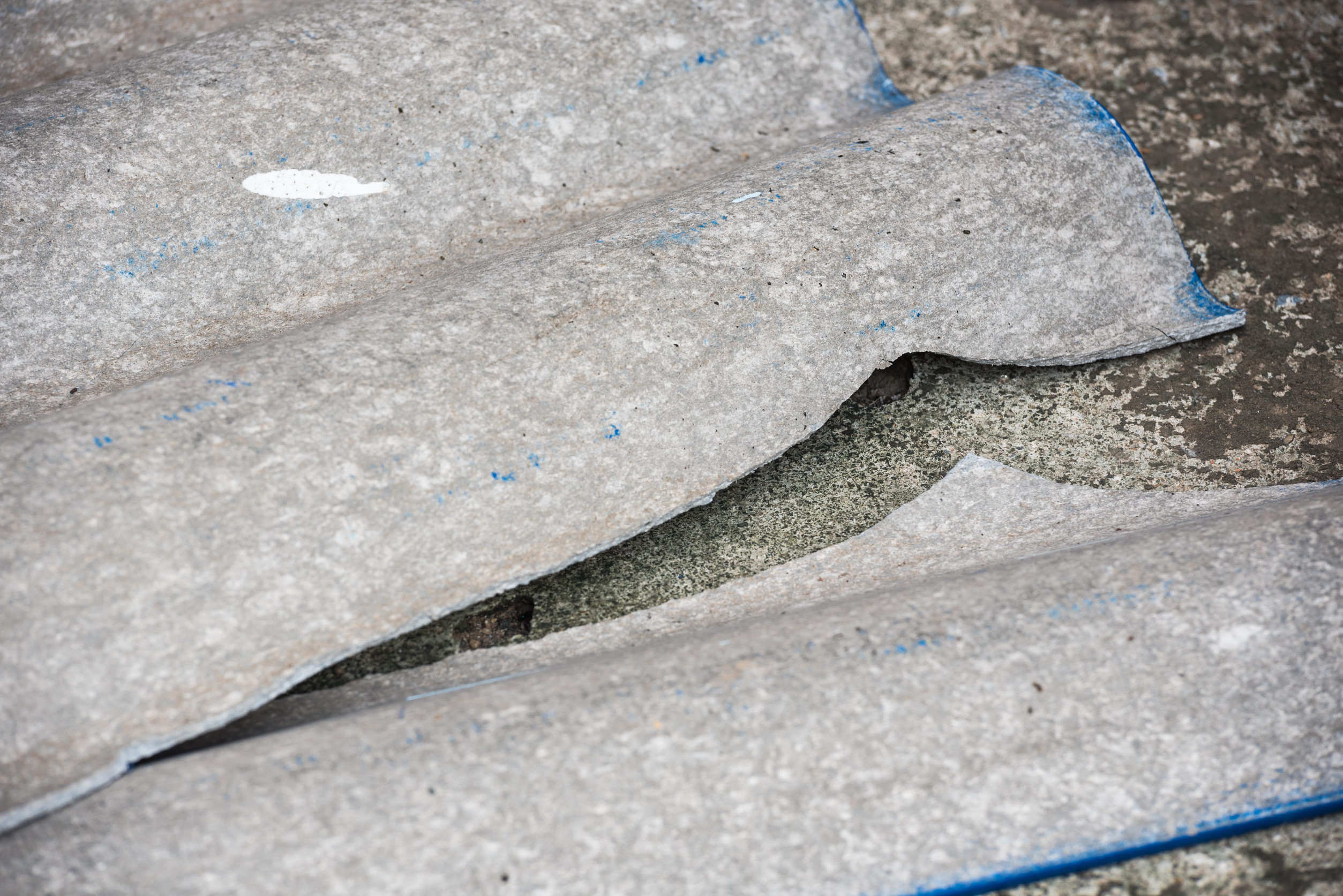
Hailstorms are one of the most common causes of roofing damage in Minnesota. While many homeowners notice immediate signs of storm impact—such as dented gutters or fallen debris—hail damage to a roof is often less obvious at first. In many cases, the effects of hail develop gradually, causing roofing materials to weaken over time and increasing the risk of leaks, moisture intrusion, and premature roof failure.
Because roofs are designed to serve as the first line of defense against the elements, even minor damage can affect the overall performance of a home’s exterior system. Understanding how hail damage impacts roofing materials over time can help homeowners identify problems early and take steps to preserve the integrity of their roofs.
This guide explores the long-term effects of hail damage, common warning signs, and why inspections and maintenance are important after severe weather events.
Minnesota experiences strong seasonal storms that frequently include hail, heavy rain, and high winds. Depending on the size and speed of hailstones, roofing materials can sustain varying levels of damage.
Even smaller hailstones can compromise the protective surface of shingles, while larger hail can crack materials, loosen flashing, or expose underlying roof structures. In colder climates, where roofs already endure snow and freeze-thaw cycles, hail damage can accelerate deterioration significantly.
Unlike obvious structural damage, hail-related wear often progresses slowly. A roof may continue functioning for months or even years before leaks or visible problems begin to appear.
Because of this delayed impact, many homeowners underestimate the importance of addressing hail damage promptly.
Asphalt shingles are one of the most common roofing materials used in Minnesota homes. While durable, they can be vulnerable to hail impact over time.
One of the most common forms of hail damage is the loss of protective granules on asphalt shingles. Granules help shield shingles from ultraviolet (UV) rays and weather exposure.
When hail strikes the roof, it can dislodge these granules, leaving exposed areas vulnerable to accelerated aging.
Over time, granule loss can lead to:
Homeowners may notice granules collecting in gutters or downspouts after a storm.
Hail can also create bruising beneath the surface of shingles. These soft spots may not be visible from the ground but can weaken the structural integrity of the roofing material.
As temperatures fluctuate throughout the year, bruised shingles become more susceptible to cracking and moisture infiltration.
Over time, this hidden damage can contribute to leaks and water intrusion within the home.
Larger hailstones may crack or split shingles directly upon impact. Even minor cracks can allow moisture to penetrate beneath the roofing surface.
In Minnesota’s climate, freeze-thaw cycles can worsen these cracks as trapped moisture expands and contracts during temperature changes.
Eventually, cracked shingles may loosen or fail entirely, exposing the roof deck underneath.
While some hail damage appears immediately, other issues develop gradually as roofing materials continue to age.
Hail damage weakens protective surfaces, causing roofing materials to deteriorate faster than expected. A roof that might normally last decades could require replacement sooner if damage is left untreated.
Damaged shingles and flashing create opportunities for moisture to enter the roofing system. Over time, small leaks can lead to water stains, mold growth, insulation damage, and structural deterioration.
When roofing systems are compromised, insulation and ventilation may also be affected. Moisture infiltration and damaged materials can reduce the home’s ability to regulate indoor temperatures efficiently.
In severe cases, prolonged moisture exposure can weaken roof decking and other structural components beneath the roofing materials.
Hailstorms do not only affect shingles. Several other roofing components can sustain damage as well.
Metal flashing around chimneys, vents, and valleys can become dented or loosened after hail impact. Damaged flashing increases the risk of leaks around vulnerable roof penetrations.
Hail can dent gutters and downspouts, reducing proper drainage performance and contributing to water management issues.
Plastic vent covers and skylights may crack or weaken after hail impact, allowing water intrusion over time.
In many cases, hail also affects siding, window trim, and other exterior materials, creating a broader need for exterior inspections after storms.
One of the challenges with hail damage is that it is not always immediately visible from the ground.
A roof may appear intact while still having:
Because these issues can be difficult to identify without close inspection, professional evaluations are often recommended after severe storms.
Even if damage is not immediately noticeable, homeowners may begin to see warning signs months after a hailstorm.
Brown spots or discoloration on ceilings may indicate moisture intrusion from damaged roofing materials.
Compromised roofing systems can reduce insulation effectiveness and increase heating or cooling costs.
Moisture trapped within the attic or roof structure can create conditions for mold growth.
As damaged shingles continue to deteriorate, they may curl, loosen, or detach entirely.
Recognizing these signs early can help prevent more extensive repairs later.
Routine roof inspections are especially important after severe weather events.
Professional inspections help identify:
Early detection allows homeowners to address problems before they become more serious.
In Minnesota, where storms and winter weather create additional stress on roofing systems, preventative maintenance is essential for long-term roof performance.
Different roofing materials respond to hail impact in different ways.
Most susceptible to granule loss and bruising.
Highly durable but may show cosmetic denting after severe hail.
Can split or crack depending on hail size and wood condition.
Designed to resist impact more effectively than some traditional materials.
Understanding how different materials perform can help homeowners make informed decisions when replacing or upgrading roofs.
While hail damage cannot always be prevented, regular maintenance can help minimize long-term issues.
Recommended maintenance practices include:
Preventative care helps extend roof lifespan and improve overall home protection.
A damaged roof can affect more than weather protection—it can also influence energy efficiency.
According to ENERGY STAR, maintaining an efficient building envelope helps reduce energy loss and improve indoor comfort. Roofing systems play an important role in regulating heat transfer and ventilation.
When roofing materials are compromised by hail, insulation and ventilation performance may decline, leading to higher utility costs and reduced comfort.
Minnesota homeowners face ongoing weather-related challenges throughout the year. Hailstorms are a significant concern because their effects are often cumulative and may not become obvious immediately.
Understanding how hail damage develops over time helps homeowners recognize the importance of inspections, maintenance, and timely repairs.
By addressing storm-related roofing issues early, homeowners can better protect their homes from moisture intrusion, structural damage, and premature roof deterioration.
North Edge Exteriors provides roofing services designed to withstand Minnesota’s demanding climate while maintaining long-term durability and performance. With experience in roof inspections, storm-related damage assessments, and exterior services, the team focuses on quality workmanship and dependable results.
If you would like additional information about roofing systems, hail damage concerns, or exterior home services, North Edge Exteriors can provide guidance tailored to your property.
North Edge Exteriors
Phone: 320-515-9134
Email: info@northedgeexteriors.com