
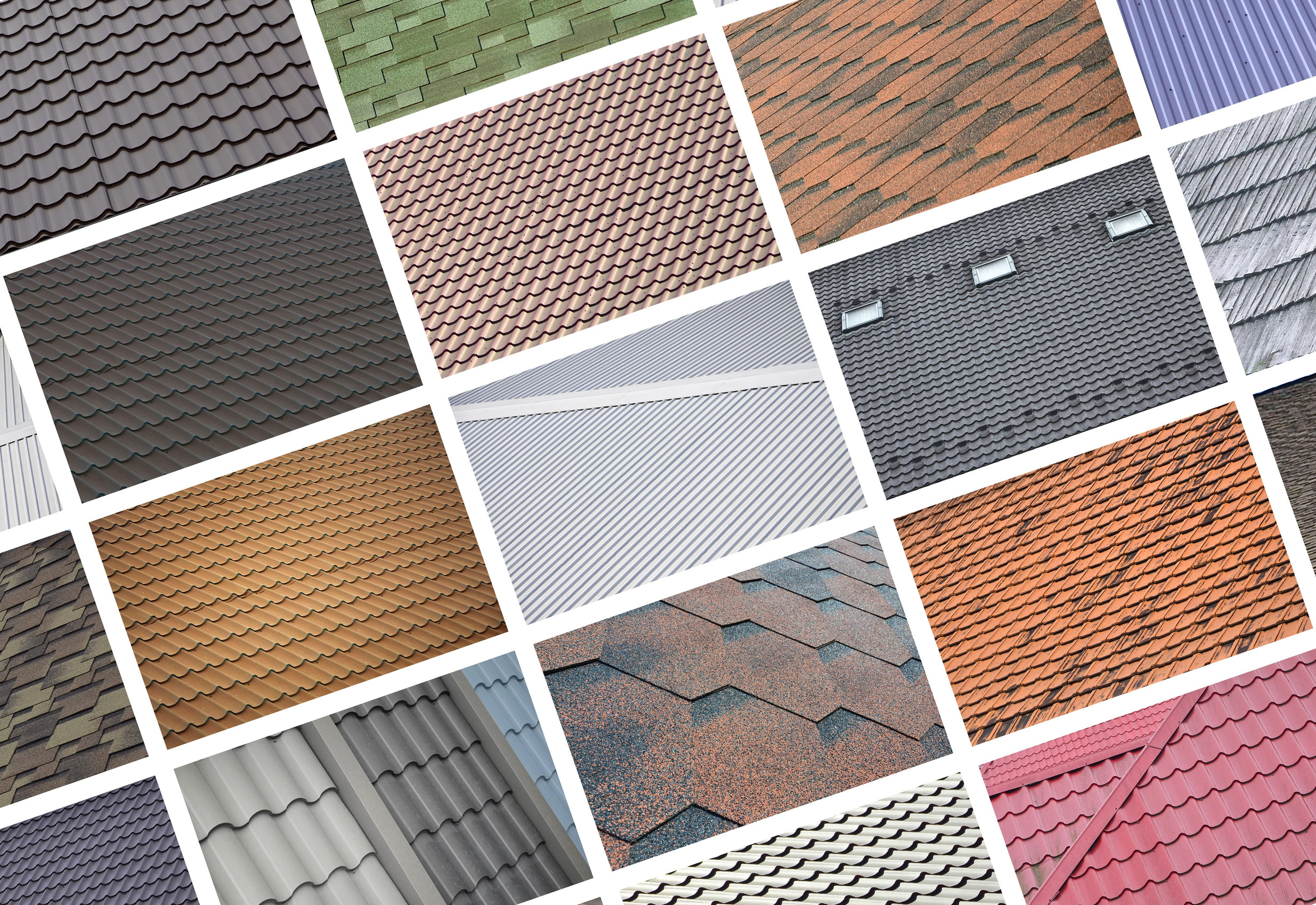
For homeowners in Minnesota, a roof is more than just a structural component—it is a critical system designed to protect against some of the most demanding weather conditions in the country. From freezing winters and heavy snowfall to strong winds and hail during storm season, roofing materials must be selected carefully to ensure long-term performance.
Understanding the differences between roofing materials can help homeowners make informed decisions about durability, maintenance, cost, and energy efficiency. Each material offers unique advantages depending on climate, budget, and aesthetic preferences.
In this guide, we explore the most common roofing materials used in Minnesota and how they compare in terms of performance, lifespan, and overall value.
Minnesota’s climate plays a major role in determining which roofing materials perform best. Homes must withstand:
These conditions can cause wear and tear on roofing systems, making it essential to choose materials that are specifically suited for northern climates.
The right roofing material not only protects against weather damage but also contributes to energy efficiency, helping reduce heating and cooling costs throughout the year.
Asphalt shingles are the most commonly used roofing material in Minnesota and across the United States. Their popularity comes from a balance of affordability, durability, and versatility.
Architectural or dimensional shingles provide enhanced durability and a more textured appearance compared to traditional 3-tab shingles.
While asphalt shingles perform well in many climates, they may have a shorter lifespan than premium materials. In Minnesota, extreme weather conditions can accelerate wear if shingles are not properly installed or maintained.
For many homeowners, asphalt shingles remain a practical and reliable option when installed by experienced professionals.
Metal roofing has gained popularity in recent years due to its durability and long lifespan. It is especially well-suited for areas that experience heavy snow and harsh weather.
Metal roofs are available in various styles, including standing seam panels and metal shingles, allowing homeowners to achieve both modern and traditional aesthetics.
Metal roofing typically has a higher upfront cost compared to asphalt shingles. However, its long lifespan and minimal maintenance requirements can make it a cost-effective investment over time.
Wood shake roofing offers a distinctive, natural appearance that appeals to homeowners seeking a traditional or rustic aesthetic.
Wood roofing requires regular maintenance and may not perform as well in areas with high moisture or severe weather conditions. In Minnesota, snow and moisture can impact longevity if the material is not properly maintained.
Additionally, some areas may have building code restrictions on wood roofing due to fire concerns.
Synthetic roofing materials are designed to replicate the look of natural materials such as wood or slate while offering improved durability and lower maintenance requirements.
Synthetic materials can vary widely in quality, so it is important to choose products from reputable manufacturers.
For homeowners looking for a balance between aesthetics and performance, synthetic roofing can be an attractive option.
Slate roofing is one of the most durable roofing materials available, often lasting over 75 years or more.
Slate is significantly heavier than other roofing materials and may require structural reinforcement. It is also one of the most expensive roofing options available.
While not as common in Minnesota residential construction, slate remains a premium choice for homeowners seeking long-term durability.
When evaluating roofing materials, homeowners should consider several key factors:
Energy efficiency is another important factor when choosing a roofing material. Some materials reflect sunlight better than others, helping reduce heat absorption during warmer months.
Metal roofing, in particular, is known for its reflective properties, which can help improve energy efficiency. Additionally, proper insulation and ventilation play a crucial role in maintaining comfortable indoor temperatures.
According to ENERGY STAR, energy-efficient roofing systems can help reduce cooling costs and improve overall home performance.
No matter which roofing material is selected, proper installation is essential for ensuring long-term performance.
Poor installation can lead to issues such as:
Working with experienced roofing professionals helps ensure that materials are installed correctly and designed to perform in Minnesota’s climate.
Choosing the right roofing material involves balancing several factors, including:
For many Minnesota homeowners, asphalt shingles provide a practical and cost-effective solution. However, those seeking long-term durability may consider metal or synthetic options.
Evaluating these factors carefully can help homeowners select a roofing system that meets both functional and aesthetic needs.
A roof is a long-term investment that plays a vital role in protecting a home. Choosing the right material can improve durability, reduce maintenance, and enhance overall property value.
By understanding the differences between roofing materials, homeowners can make informed decisions that support long-term performance and reliability.
Regular inspections and maintenance further help extend the life of any roofing system, ensuring it continues to perform effectively throughout Minnesota’s changing seasons.
North Edge Exteriors provides roofing solutions designed to withstand Minnesota’s climate while maintaining long-term durability and performance. With experience in asphalt shingles, metal roofing, and other exterior systems, the team focuses on quality craftsmanship and reliable installation.
If you would like additional information about roofing materials or exterior home services, North Edge Exteriors can provide guidance tailored to your home and property.
North Edge Exteriors
Phone: 320-515-9134
Email: info@northedgeexteriors.com