
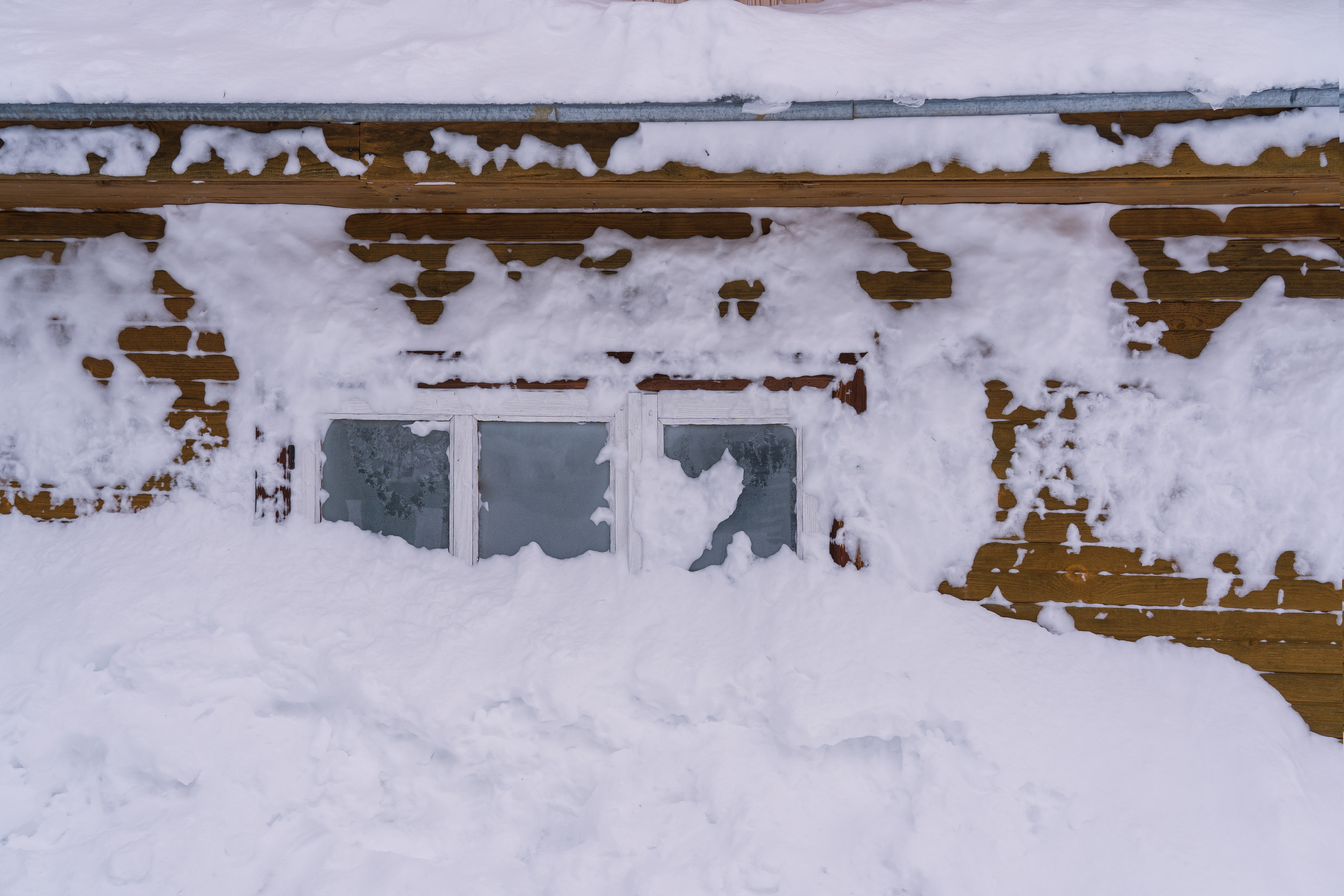
Living in Minnesota means experiencing a broad range of weather conditions throughout the year—from ice and snow in the winter to heavy rains, wind, and hail in the warmer months. These seasonal weather patterns can take a toll on your home’s exterior, affecting everything from roofing integrity to siding performance and overall structural protection.
North Edge Exteriors understands how regional weather impacts home exteriors and offers professional services designed to protect, restore, and enhance homes in this climate. With expertise in roofing, siding, gutters, and exterior solutions, North Edge Exteriors helps homeowners navigate weather-related challenges with durable materials, experienced workmanship, and long-lasting results.
This guide explores the relationship between Minnesota weather and home exterior systems, explains why proactive maintenance matters, and details how exterior services can help your home withstand the elements year-round.
From cold snaps to summer storms, Minnesota weather is varied and sometimes harsh:
These conditions impact roofing, siding, gutters, and other exterior elements in different ways. Weather-related wear can lead to leaks, rot, cracking, and compromised protection if left unaddressed.
A home’s exterior functions as its primary defense against the elements. Understanding how weather influences this defense is the first step in making smart choices about maintenance, repairs, and upgrades.
Your roof is the first line of defense against storms, snow loads, and sun exposure, but it’s also one of the most vulnerable exterior components because it encounters weather directly.
In winter, snow accumulation and ice build-ups can stress roofing materials and create leaks if water infiltrates under shingles. Freeze-thaw cycles can also loosen fasteners and degrade roofing layers over time.
Strong winds and hailstorms—common in spring and summer—can crack or displace shingles, damage flashing, and expose underlying layers. Impact from hail can shorten roofing lifespan and necessitate repairs or replacement sooner than expected.
Prolonged heat and UV exposure in summer can dry out roofing materials, causing brittleness and accelerated aging.
Because weather conditions affect the roof differently throughout the year, proactive inspection and maintenance help catch early signs of stress before they escalate into serious issues.
Professional roofing services provide expertise, quality materials, and proper installation techniques that account for local weather challenges. When you work with a local exterior contractor like North Edge Exteriors, several advantages come into play:
Roof replacement and repair are not simply cosmetic updates. They are essential steps in maintaining home protection, preventing water infiltration, preserving insulation efficiency, and maximizing longevity—even when weather conditions are severe.
Siding doesn’t just define your home’s appearance—it’s another layer of defense against wind, moisture, and temperature extremes.
Heavy rain can lead to moisture penetration if siding is cracked, warped, or improperly installed. Over time, water intrusion can compromise structural components and lead to mold or rot.
High winds can loosen or crack panels, allowing water and air infiltration. Siding materials with strong impact resistance help maintain a tight exterior envelope.
Repeated expansions and contractions caused by seasonal temperature swings can stress siding seams and fasteners, increasing the risk of gaps or loss of protective coverage.
Professional siding installation and inspection help ensure materials are secured correctly, sealed effectively, and designed to perform in changing weather.
Gutters play a critical role in directing rainwater and melting snow away from your home’s foundation. Clogged, damaged, or poorly pitched gutters can lead to:
Managing water flow effectively reduces the risk of structural damage and helps maintain stable soil conditions around your home. Seasonal maintenance—especially after heavy storms or before winter freeze cycles—is essential to prevent costly damage.
Weather isn’t predictable, but preparation is possible. Inspection and maintenance schedules that align with seasonal shifts help homeowners catch issues early and avoid expensive repairs.
Pre-Winter Checkups:
Spring Assessments:
Summer Storm Readiness:
Fall Preparation:
Aligning maintenance with weather cycles helps mitigate accelerated wear and sets your home up for seasonal changes.
Professional exterior services go beyond problem fixes. They help:
An exterior contractor experienced with Minnesota weather conditions uses materials and installation methods designed to handle the region’s cold snaps, heavy moisture, shifting temperatures, and storm risk. This proactive stance lets homeowners safeguard their investment with confidence.
Minnesota weather patterns are unique. Local contractors like North Edge Exteriors understand:
This insight ensures that recommended services and materials are not only effective but tailored to the environment they’ll face year after year.
A home’s exterior is its first line of defense against the elements, and weather is one of the most powerful forces affecting performance, durability, and comfort. Understanding how weather interacts with roofing, siding, gutters, and exterior systems helps homeowners make informed decisions about maintenance, repairs, and upgrades.
By choosing experienced exterior services that prioritize weather-resilient solutions, Minnesota homeowners can protect their homes through every season, reduce long-term risks, and maintain structural integrity with confidence. Professionals like those at North Edge Exteriors offer the knowledge, materials, and craftsmanship needed to respond to local weather challenges effectively.
Resources: