
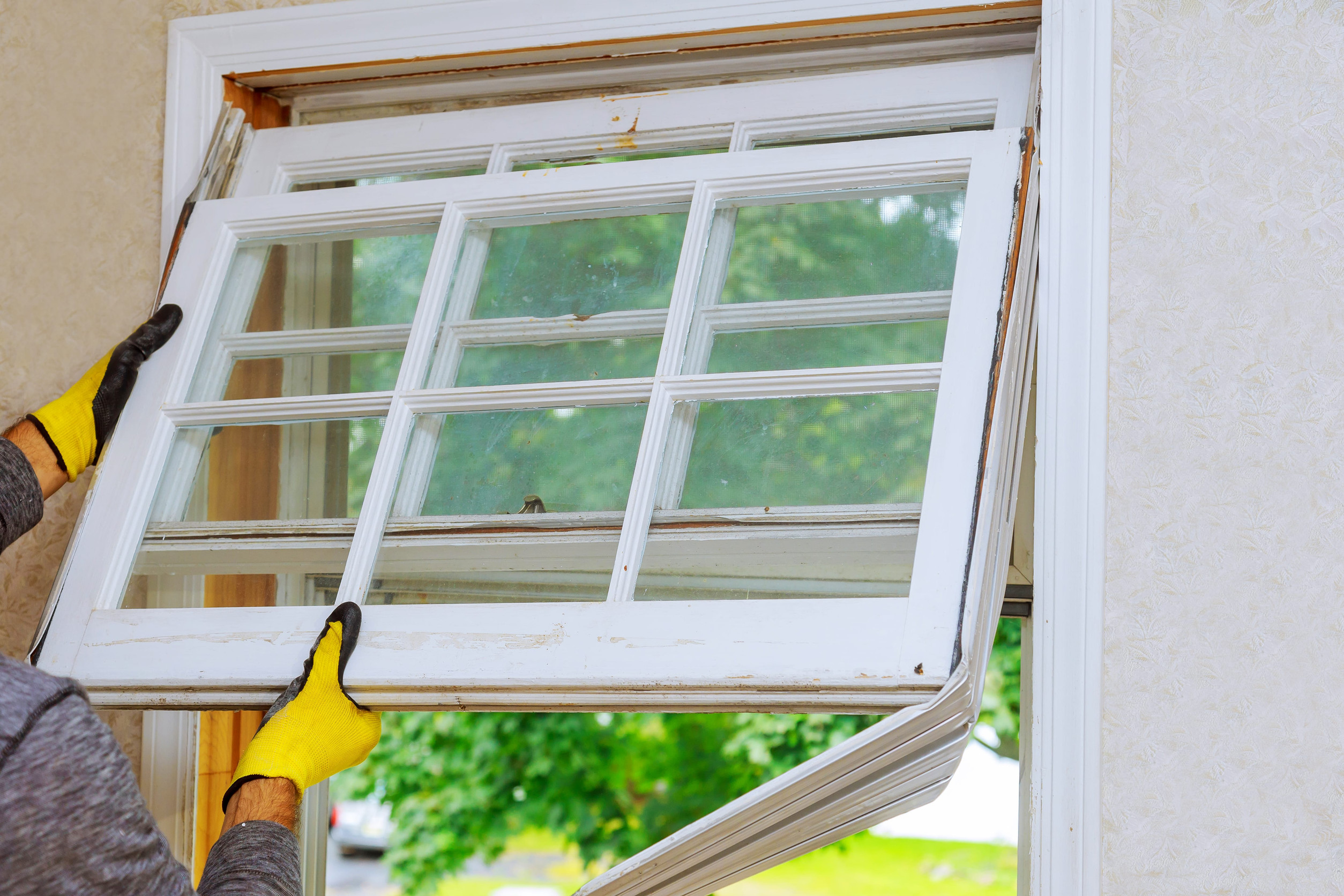
Windows are one of the most important components of a home’s exterior system. They influence energy efficiency, ventilation, indoor comfort, curb appeal, and even long-term property value. For homeowners in Minnesota, where temperatures can shift dramatically between seasons, windows play an even greater role in maintaining comfort and protecting against harsh weather conditions.
Over time, aging windows may become drafty, difficult to operate, or less efficient than modern alternatives. When this happens, homeowners often begin exploring replacement options—but many are unsure where to start. With so many styles, frame materials, glass technologies, and installation methods available, replacing windows can feel overwhelming without the right information.
Understanding the most important considerations before beginning a window replacement project can help homeowners make informed decisions that improve both the appearance and performance of their homes.
This guide explores what homeowners should know before replacing their windows and highlights the key questions that can help shape a successful exterior upgrade.
Windows are more than decorative features—they are essential components of a home’s building envelope. Properly functioning windows help regulate indoor temperatures, reduce energy loss, and prevent moisture intrusion.
When windows begin to fail, homeowners may notice:
Replacing aging windows can improve:
In colder climates like Minnesota, these benefits can make a significant difference throughout the year.
One of the first questions homeowners should ask is whether replacement is truly necessary or if repairs may still be possible.
Signs that windows may need replacement include:
Older windows often lose efficiency gradually over time, making energy loss less obvious until utility costs begin increasing significantly.
A professional inspection can help determine whether replacement or repair is the better long-term option.
Window style affects both appearance and functionality.
Popular window styles include:
Each style offers different advantages depending on ventilation needs, architectural design, and homeowner preferences.
Popular for traditional homes and easy cleaning.
Offer excellent ventilation and tight energy-efficient seals.
Provide expansive views and natural light but do not open.
Work well for wide openings and modern aesthetics.
Selecting the right style helps improve both curb appeal and everyday functionality.
Window frame materials impact durability, maintenance, insulation performance, and appearance.
Vinyl remains one of the most common replacement options due to:
Fiberglass offers:
Wood windows provide:
However, wood requires more maintenance to protect against moisture and weather exposure.
Choosing the right frame material depends on maintenance preferences, budget, and long-term performance goals.
Energy efficiency is one of the biggest reasons homeowners replace windows.
Modern windows often include:
These technologies help reduce heat transfer and improve indoor comfort throughout the year.
According to ENERGY STAR, energy-efficient windows can help reduce heating and cooling costs while improving overall home performance.
For Minnesota homeowners, efficient windows can significantly reduce winter heat loss and improve year-round comfort.
Glass technology has improved significantly in modern window systems.
Provides improved insulation compared to older single-pane windows.
Offers enhanced efficiency and sound reduction, particularly useful in colder climates.
Reflect heat while allowing natural light into the home.
Improve thermal performance between panes.
Understanding these features helps homeowners compare window performance more effectively.
Old or poorly sealed windows can create:
New windows improve:
Replacing windows often creates a more comfortable and quieter indoor environment.
Window replacement is often viewed as both a functional and aesthetic investment.
Benefits include:
Updated windows can help homes appear more modern, efficient, and well-maintained.
For homeowners considering future resale value, window upgrades may contribute positively to property perception.
Different window materials require different levels of upkeep.
Vinyl and fiberglass windows typically require minimal maintenance.
Wood windows may need:
Understanding maintenance expectations helps homeowners choose windows that fit their long-term preferences.
Even the highest-quality windows can perform poorly if installation is incorrect.
Improper installation may lead to:
Professional installation ensures:
In Minnesota’s climate, proper installation is especially important for preventing moisture and cold air intrusion during winter.
Minnesota weather creates unique challenges for residential windows.
Homes must withstand:
Windows designed for northern climates typically provide:
Choosing windows designed for cold-weather performance helps improve long-term reliability.
Many homeowners replace windows alongside:
Coordinating projects can:
Planning exterior upgrades strategically often provides better overall results.
Before replacing windows, homeowners should avoid:
A thoughtful approach helps ensure that new windows provide lasting performance and value.
Window replacement is one of the most impactful exterior upgrades homeowners can make.
Long-term benefits include:
Modern windows are designed to perform more efficiently while improving the overall appearance and function of the home.
In Minnesota, where seasonal weather places significant demands on residential homes, windows play an important role in protecting indoor comfort and energy efficiency.
Understanding replacement options, frame materials, energy features, and installation methods helps homeowners make informed decisions that improve long-term home performance.
Whether replacing aging windows for efficiency, aesthetics, or functionality, careful planning ensures that the investment supports both comfort and durability for years to come.
North Edge Exteriors provides window replacement solutions designed to improve energy efficiency, comfort, and long-term durability for homes throughout Minnesota. With experience in exterior remodeling services, the team focuses on quality craftsmanship and dependable installation tailored to local climate conditions.
If you would like additional information about replacement windows or exterior home improvement services, North Edge Exteriors can provide guidance based on your property’s needs.
North Edge Exteriors
Phone: 320-515-9134
Email: info@northedgeexteriors.com