
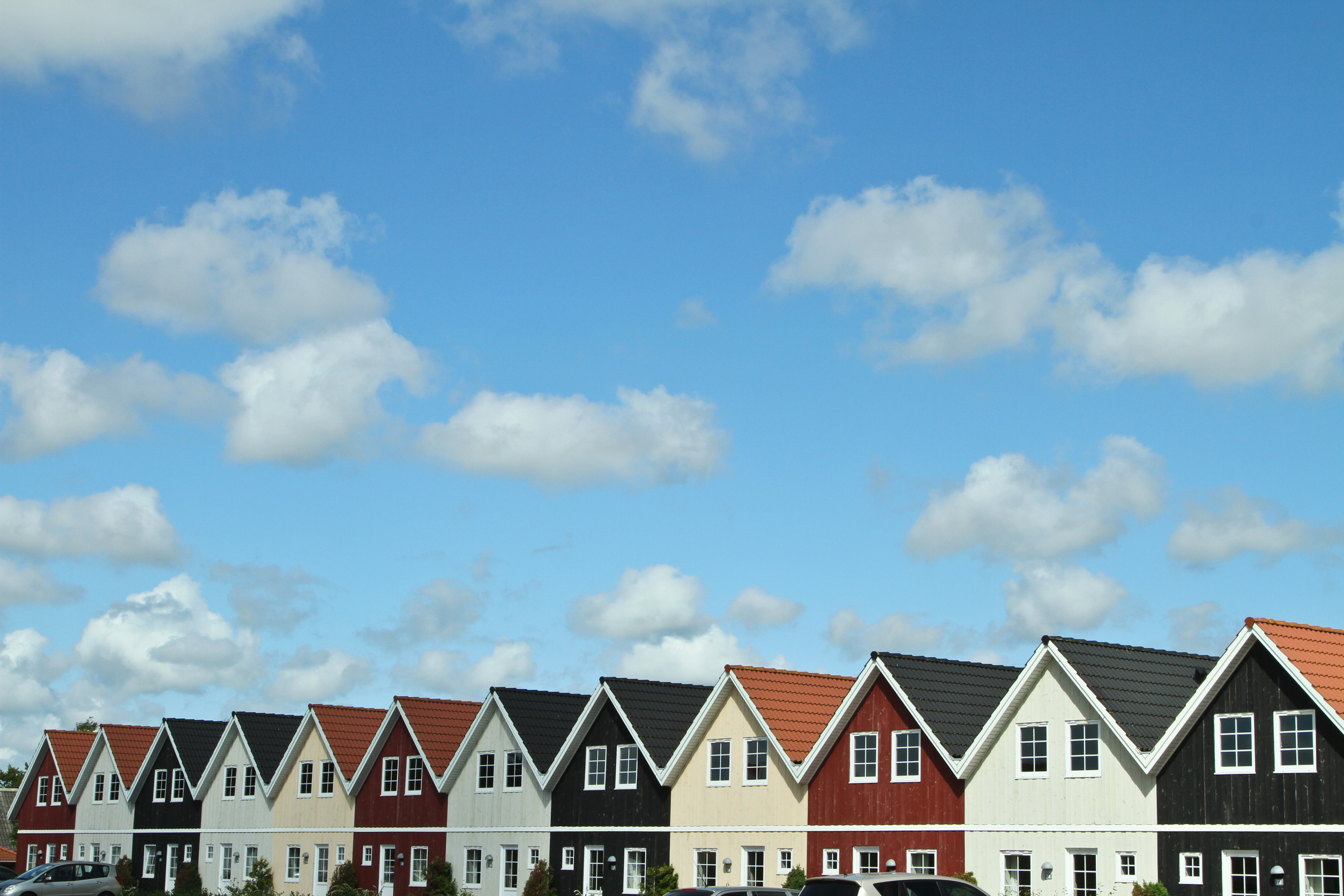
Minnesota homes live on the front lines of weather. From freeze–thaw cycles that quietly widen joints to hailstorms that can turn a roof into a chessboard of bruises, exterior materials here have to perform, not just pose. That’s why “exterior remodeling” in Minnesota isn’t a cosmetic afterthought. It’s a long-term system decision: roof, siding, windows, and gutters all interact, and when one part fails, the others often shoulder the cost.
This reference-style guide walks through the essential ideas homeowners typically need when planning exterior work in Minnesota. It is grounded in the realities of our climate and in how full-service exterior contractors approach projects. You’ll see how each exterior component contributes to protection and comfort, what materials and design details matter most in the North, and how to judge timing and scope without relying on guesswork.
North Edge Exteriors, based in Cambridge, Minnesota, focuses on these four core categories—roofing, siding, windows, and gutters—and emphasizes durable materials, certified installation, and a holistic approach to the exterior envelope. Their service mix makes them a useful lens for understanding the bigger picture of exterior remodeling in this region.
Many homeowners think of exterior work as separate jobs: “a roof replacement,” “new siding,” or “window upgrades.” In practice, Minnesota weather links these parts together.
Because of that, experienced contractors commonly plan exteriors as a coordinated envelope. North Edge Exteriors frames its work similarly, offering all major exterior categories so upgrades can be aligned rather than staggered in ways that create avoidable gaps.
A roof here is a layered assembly. Shingles matter, yes, but so do ventilation, underlayment, flashing, and the way water is directed into gutters. North Edge’s blog repeatedly stresses this “system roof” concept: a roof must breathe, shed water aggressively, and resist wind uplift over decades.
1. Underlayment and ice/water shielding
Minnesota winters make ice dams a real risk. When meltwater backs up under shingles, an ice-and-water barrier along eaves and valleys can prevent interior leaks.
2. Flashing details
Chimneys, skylights, dormers, and wall junctions are “detail zones.” Fasteners and sealants age; good flashing design limits future pathways for water.
3. Ventilation balance
Cold-weather condensation is a quiet destroyer. Proper intake and exhaust ventilation reduces moisture accumulation in attics and keeps roof decks healthier over time.
4. Wind and storm resilience
Summer storms bring gusts and hail. Choosing impact-resistant shingles and ensuring correct nailing patterns helps prevent blow-offs.
Minnesota’s Department of Labor and Industry provides guidance aligned with the Minnesota Residential Code for asphalt re-roofing, emphasizing proper installation and permit awareness. A responsible roofing plan in Minnesota respects these baseline requirements, especially for ventilation, ice barriers, and layers over existing shingles.
North Edge Exteriors is a CertainTeed certified contractor, which indicates they meet specific manufacturer installation training and standards for those roofing systems. In general, manufacturer-trained installation reduces mismatches between material promise and real-world performance.
Siding takes the visual blame when something looks tired, but its real job is to protect sheathing and regulate airflow and moisture. In Minnesota, siding needs to survive:
North Edge positions siding as part of a “climate-smart exterior,” where durability and curb appeal reinforce each other.
Vinyl siding
Engineered wood or composite
Fiber cement
The “best” siding choice is more about matching your home’s exposure and maintenance tolerance than picking a universal winner.
In Minnesota, water-resistive barriers, window/door flashing tapes, and correctly vented wall assemblies are awfully important. The siding you see is only half the story; the layers behind it decide how your walls age.
If roofs and siding keep weather out, windows decide how it feels inside. Drafts, condensation, and high energy bills are usually symptoms of windows that don’t fit their climate or are installed without full sealing.
ENERGY STAR notes that window performance should be chosen by climate zone, with Northern and North-Central metrics emphasizing insulation (low U-factor) and balanced solar heat gain. In Minnesota, that means prioritizing cold-weather efficiency and air-sealing.
U-factor
Lower U-factors mean better insulation—critical for long winters.
Air leakage ratings
Even a well-insulated window performs poorly if air sneaks around sashes or frames.
Low-E coatings and gas fills
These help reduce heat loss without making rooms feel dim.
A high-rated window installed with weak flashing or spray-foam gaps can still leak air and moisture. Full-service exterior contractors often coordinate window upgrades with siding work to ensure trim, barriers, and flashings are integrated rather than patched.
North Edge highlights windows as a way to increase efficiency, natural light, and curb appeal, but the implied strength is how they place windows within broader exterior coordination.
Gutters don’t get much glamour, but they manage one of Minnesota’s most destructive forces: bulk water. Spring melts and summer downpours can move astonishing volumes of water down a roof in minutes.
North Edge’s services include seamless gutter installation and gutter guard systems designed to limit water-related damage. Their emphasis reflects a broader truth: properly sized and pitched gutters protect fascia, siding, landscaping, and foundations.
1. Capacity and sizing
Steep roofs and large surface areas need gutters that can handle overflow.
2. Pitch and downspout routing
A gutter that holds water invites ice accumulation in winter and algae growth in summer.
3. Gutter guards
Particularly useful if you have mature trees or want less ladder time in fall.
If you’ve ever seen staining on siding, soil erosion near foundations, or ice sheets forming along eaves, gutters are usually part of the story.
Seasonality matters. But so does how long you’re willing to tolerate risk. A useful way to think about timing is:
North Edge’s blog frames exterior upgrades as durability moves first, beauty second—because in Minnesota, structural resilience is the real form of curb appeal.
A major thread across North Edge’s guides is that coordinated exterior projects save homeowners from repeating labor, tearing into newly finished work, or leaving weak points behind.
Examples:
The benefit isn’t just cost efficiency. It’s also predictable performance. Minnesota weather is hard enough; you don’t want your own project sequencing to become another enemy.
This isn’t a buying guide, but these are common reference points for evaluating exterior pros in Minnesota:
North Edge describes its mission as making homeowners feel comfortable through honest communication and skilled craftsmanship, which aligns well with the kind of clarity exterior work requires.
Minnesota exterior remodeling is ultimately about living well in a state that asks a lot of buildings. Good exterior work doesn’t just stop leaks. It reduces drafts, prevents hidden rot, softens seasonal maintenance, and keeps your home looking composed even when the weather refuses to be.
A roof that’s properly vented, siding that sheds water cleanly, windows tuned to the right climate zone, and gutters that move meltwater away from foundations—these are not four separate upgrades. They are one protective story told in layers.
If you approach your next exterior project as a system—deciding based on climate, material behavior, and how the parts interact—you’ll be matching Minnesota with Minnesota-grade solutions. And that is the quiet kind of home confidence that lasts.