
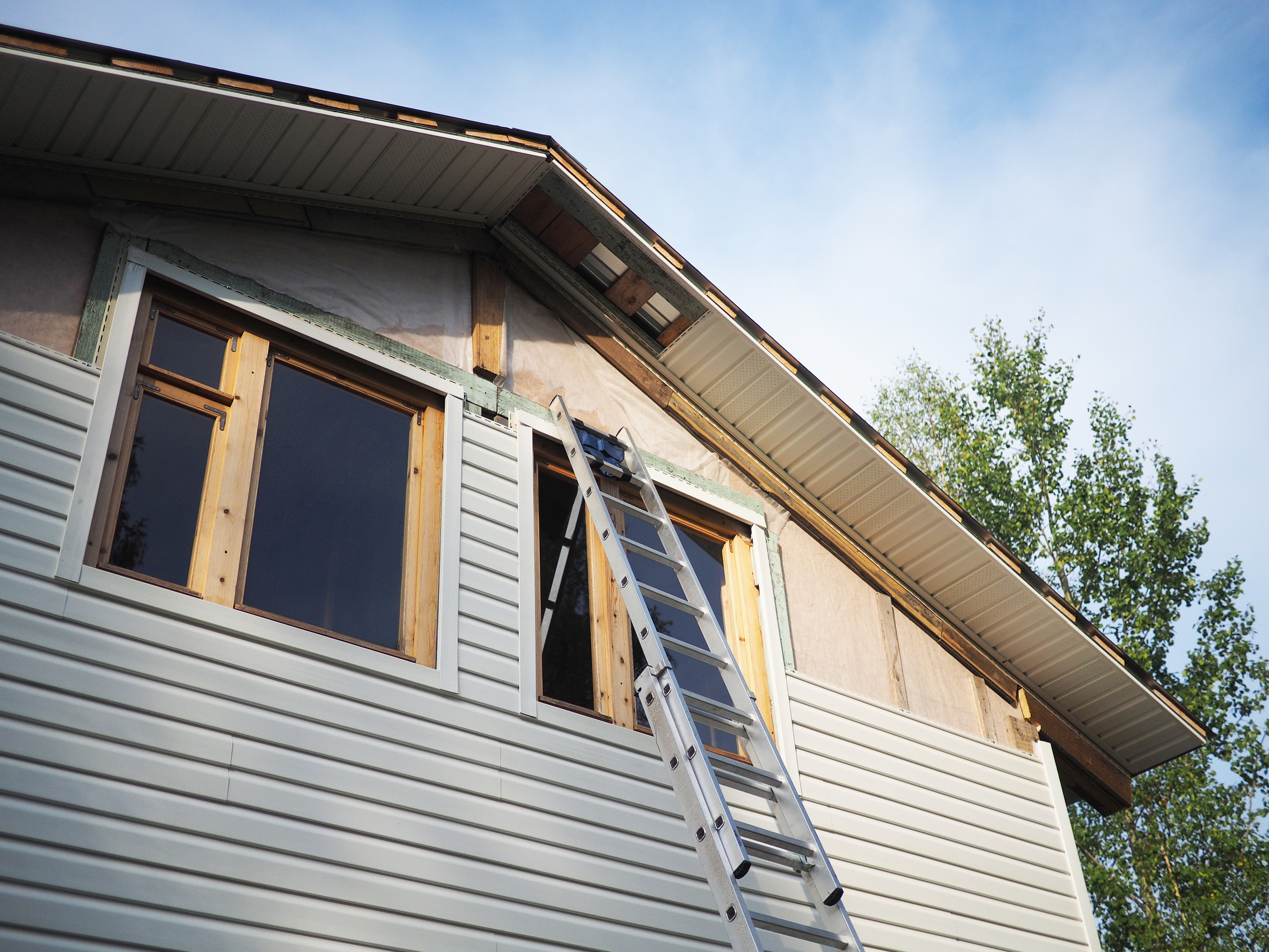
Minnesota homes don’t just sit in weather; they negotiate with it. Between heavy snow loads, freeze–thaw cycles that pry at seams, hail that can arrive like gravel in a blender, and wind that tests every nail and flashing edge, your exterior is both your home’s personality and its primary defense. When that defense is strong, life inside the walls stays calm. When it weakens, the problems tend to cascade—first subtle, then expensive.
North Edge Exteriors, based in Cambridge, Minnesota, operates in that reality every day. Their website lays out a straightforward full-spectrum exterior service model: roofing, siding, windows, and gutters, with an emphasis on durability for Minnesota’s climate and certifications such as being a 4-Star CertainTeed Certified Contractor. The company serves Cambridge and surrounding communities, reflecting a common North-of-the-Metro homeowner need: upgrade exterior systems in a way that’s practical, resilient, and visually coherent across all four seasons.
This guide is a reference page designed around the kinds of keywords Minnesota homeowners often search when evaluating upgrades: roof replacement Cambridge MN, siding contractor Cambridge MN, window replacement Minnesota, and gutter installation Minnesota. You’ll find what each service typically includes, how they connect as a system, and how to think about planning an exterior project without guesswork or overreaction.
One of the most useful ideas on the North Edge Exteriors blog is that you get the best long-term results when you think in systems, not isolated parts. Several of their posts frame home exteriors as an integrated set of protective layers designed to handle Minnesota conditions together.
Here’s the logic. Your roof sheds water. Your gutters route it away. Your siding blocks lateral rain and wind while allowing the house to breathe. Your windows manage heat, light, and air leakage. If a single piece is weak, the others are forced to overperform—and they rarely win that fight for long.
So while this guide discusses each service separately, keep a quiet mental note: exterior work is a relay race. The baton passes from roof to gutter to siding to fenestration, and every handoff needs to be clean.
North Edge Exteriors presents roofing as a core specialty, with repair and replacement services backed by CertainTeed certification. In Minnesota, a roof is asked to do more than just “not leak.” It needs to resist:
A Minnesota roofing project generally falls into three categories:
A simple takeaway: when you compare roofing approaches, focus on how the contractor builds the layers, not just which shingle color is on the sample board.
North Edge Exteriors lists siding as a major service line for Cambridge homeowners. In Minnesota, siding plays two roles at once:
You want siding that is tight enough to repel storms, but installed in a way that doesn’t trap condensation behind the walls. That’s the difference between a beautiful exterior and one that quietly grows problems.
North Edge’s recent blog posts talk about siding choices designed for Minnesota’s freeze–thaw and storm patterns, reflecting their focus on durability and curb appeal together.
Your siding is the home’s armor and its face. In Minnesota, it has to be both.
Window replacement is another pillar on the North Edge Exteriors service menu. Minnesota homeowners often start researching windows for one of two reasons:
North Edge discusses windows in the context of whole-exterior resilience and energy performance, tying them to comfort as much as aesthetics.
A useful way to think about windows: they are the thermostat’s teammates. If your windows leak heat or air, your HVAC systems have to sprint instead of jog.
Gutters don’t get the glamour, but they get the blame—often deserved. North Edge Exteriors offers gutter services alongside roofing, siding, and windows. In Minnesota, gutters matter because water in the wrong place is a year-round problem:
North Edge’s climate-focused exterior messaging repeatedly points to gutters as part of the durability puzzle.
If you’re planning a roof or siding project, it’s smart to review gutters at the same time. The systems are physically—and financially—intertwined.
North Edge Exteriors regularly references Minnesota storms and the importance of choosing exterior solutions designed for hail, wind, and freeze–thaw wear. England has fog, Arizona has sun, Minnesota has weather that travels in punches.
The key storm-damage truth: not all damage is loud. Hail can bruise shingles without cracking them; wind can lift edges that reseal for a while but fail later; siding can fracture at locking seams that seem fine from the ground. That’s why post-storm assessments are so common in this region.
FEMA’s homeowner resources underline the importance of prompt evaluation and appropriate repairs after severe weather to prevent secondary water damage and structural deterioration. (inference supported by FEMA guidance on home repair and mitigation)
The practical benefit of quick inspection isn’t panic. It’s prevention.
Exterior upgrades can feel overwhelming because they mix aesthetics, cost, timing, and weather. Here’s a grounded way to approach planning in Cambridge or elsewhere in Minnesota.
Ask which part of your exterior is at greatest risk right now:
North Edge positions its services around helping homeowners identify the right priority rather than pushing a single category.
Sometimes doing roof + gutters together makes sense. Sometimes siding + window wrap makes sense. The best grouping is the one that reduces duplicated labor and aligns system transitions.
Style matters, but Minnesota durability matters more. North Edge emphasizes high-quality materials suited to local conditions, including CertainTeed roofing products and similarly durable exterior options.
Minnesota’s build season is real. Roofing and siding can be done in multiple seasons, but timelines shift with temperature and storm activity. A flexible plan helps.
Even the best installations benefit from periodic checks: clean gutters, spot siding damage early, and watch for roof wear after big winters.
Planning is how you keep an exterior upgrade from feeling like a surprise exam.
North Edge Exteriors highlights its 4-Star CertainTeed Certified Contractor status. Certification matters in exterior work because it signals:
In Minnesota, where the margin for exterior error is thin, those standards help ensure the materials perform as designed.
The simplest way to interpret certification: a roof or siding system is only as good as the way it’s installed. Certification is a proxy for disciplined installation.
A strong exterior isn’t about living in fear of the next storm. It’s about living comfortably through the next storm without thinking about it. North Edge Exteriors, serving Cambridge and surrounding Minnesota communities for over five years, frames its work around that kind of calm durability: roofing, siding, windows, and gutters designed as a connected shield for local homes.
If you’re researching exterior upgrades, the most reliable path is to focus on systems, choose materials that respect Minnesota’s climate, and prioritize the areas where risk is highest now. The result is a home that looks better, functions better, and quietly handles whatever the sky decides to do next.