
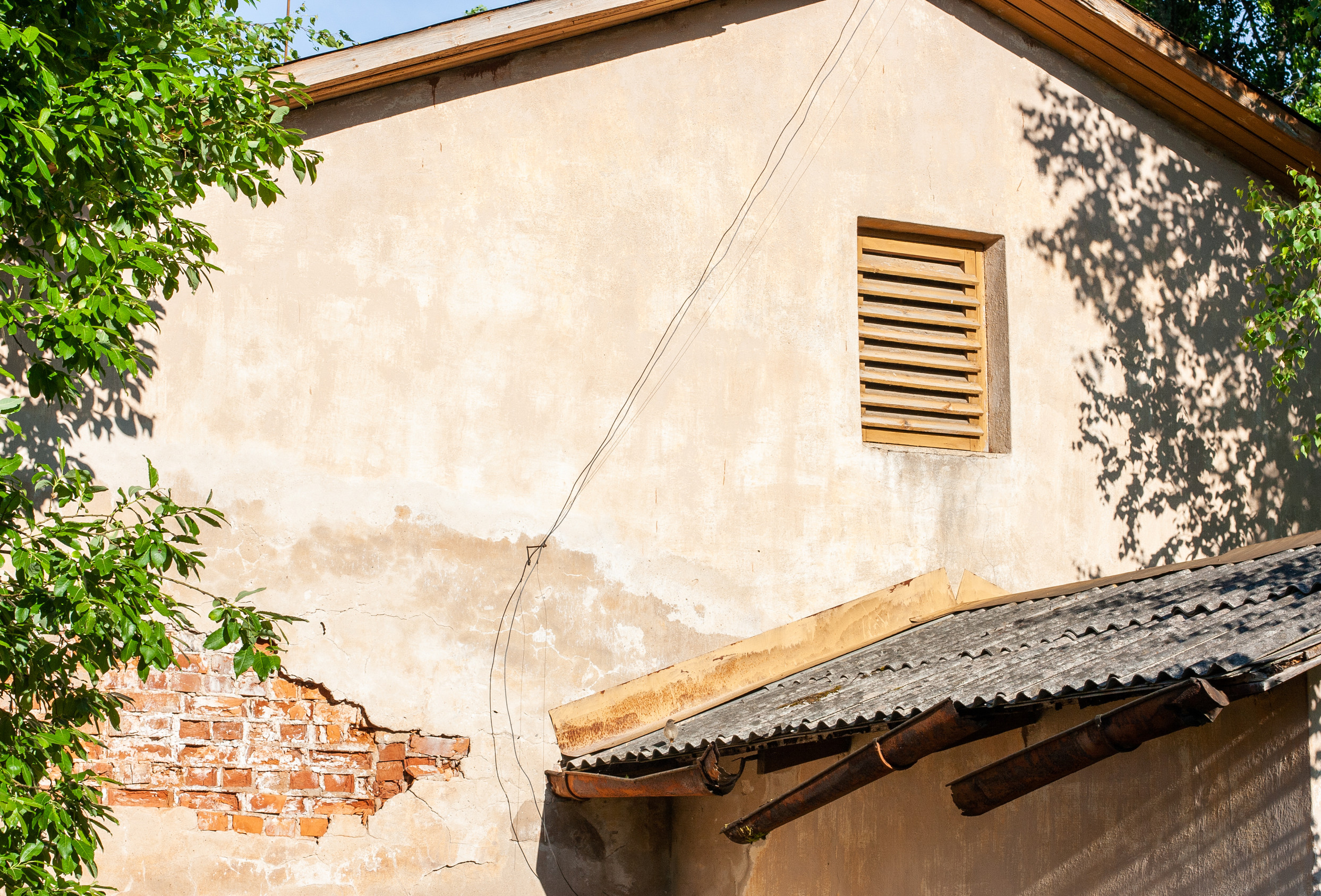
Your home’s exterior does far more than shape curb appeal. It serves as the primary barrier between your living space and the elements—protecting against wind, moisture, temperature swings, and seasonal wear. In climates like Minnesota’s, where homes face snow, ice, hail, wind, and heat throughout the year, exterior damage can develop gradually or appear suddenly after a storm.
NorthEdge Exteriors specializes in repairing and replacing damaged exterior components, helping homeowners restore protection, efficiency, and long-term durability. Understanding the most common types of exterior damage—and when it’s time to address them—can prevent minor issues from becoming costly structural problems.
Exterior damage is often underestimated because it may start small or be difficult to see from the ground. However, even minor issues can allow moisture infiltration, energy loss, or structural deterioration over time. Damaged exteriors can lead to:
Addressing damage early is one of the most effective ways to extend the lifespan of your home’s exterior systems.
The roof is one of the most vulnerable parts of a home’s exterior. Common signs of damage include missing or cracked shingles, granule loss, soft spots, or visible sagging. Storms, wind uplift, ice dams, and aging materials all contribute to roofing issues.
Roof damage often leads to leaks that affect insulation, ceilings, and wall systems—making timely inspection and repair especially important.
Siding protects your home from moisture while contributing significantly to its appearance. Damage may show up as:
Siding damage is particularly concerning because it can hide deeper moisture problems behind the surface. NorthEdge Exteriors addresses siding issues by identifying the source of damage and restoring both function and aesthetics.
Minnesota storms can cause sudden and widespread exterior damage. Hail may dent siding or bruise shingles, while high winds can loosen materials or expose underlayment. Even if damage doesn’t appear dramatic, it can compromise protective layers and shorten material lifespan.
Post-storm inspections are one of the most common reasons homeowners reach out for professional exterior evaluations.
Gutters play a critical role in directing water away from your home. When damaged or clogged, they can cause water to pool near foundations or seep behind siding. Signs of gutter-related exterior damage include:
Proper drainage supports the health of your entire exterior system.
Trim components often show early signs of moisture exposure. Peeling paint, cracking wood, or visible rot around eaves and rooflines indicate that water may be infiltrating vulnerable areas.
Because these components connect roofing, siding, and ventilation systems, damage here can impact multiple exterior elements at once.
Knowing when to address damage is just as important as recognizing it. Situations that warrant professional evaluation include:
NorthEdge Exteriors helps homeowners assess whether repairs are sufficient or if replacement is the more cost-effective long-term solution.
Exterior damage isn’t always obvious, and DIY fixes often address symptoms rather than root causes. Professional contractors evaluate how exterior systems work together—roofing, siding, trim, insulation, and drainage—to ensure repairs restore full protection.
A comprehensive assessment helps:
Damaged exteriors don’t just affect how a home looks—they influence comfort, safety, and long-term maintenance costs. By addressing damage early and comprehensively, homeowners can restore confidence in their property’s ability to withstand future weather and seasonal stress.
NorthEdge Exteriors focuses on practical, durable solutions designed for regional conditions, helping homeowners move forward with clarity rather than uncertainty.
Your home’s exterior is an interconnected system, not a collection of isolated parts. Roofing, siding, trim, and drainage all work together to protect what matters most. Recognizing damage and understanding when professional support is appropriate helps ensure your home remains resilient, efficient, and visually appealing year after year.
Resources:
‘Your home’s exterior does far more than shape curb appeal. It serves as the primary barrier between your living space and the elements—protecting against wind, moisture, temperature swings, and seasonal wear. In climates like Minnesota’s, where homes face snow, ice, hail, wind, and heat throughout the year, exterior damage can develop gradually or appear suddenly after a storm.
NorthEdge Exteriors specializes in repairing and replacing damaged exterior components, helping homeowners restore protection, efficiency, and long-term durability. Understanding the most common types of exterior damage—and when it’s time to address them—can prevent minor issues from becoming costly structural problems.
Exterior damage is often underestimated because it may start small or be difficult to see from the ground. However, even minor issues can allow moisture infiltration, energy loss, or structural deterioration over time. Damaged exteriors can lead to:
Addressing damage early is one of the most effective ways to extend the lifespan of your home’s exterior systems.
The roof is one of the most vulnerable parts of a home’s exterior. Common signs of damage include missing or cracked shingles, granule loss, soft spots, or visible sagging. Storms, wind uplift, ice dams, and aging materials all contribute to roofing issues.
Roof damage often leads to leaks that affect insulation, ceilings, and wall systems—making timely inspection and repair especially important.
Siding protects your home from moisture while contributing significantly to its appearance. Damage may show up as:
Siding damage is particularly concerning because it can hide deeper moisture problems behind the surface. NorthEdge Exteriors addresses siding issues by identifying the source of damage and restoring both function and aesthetics.
Minnesota storms can cause sudden and widespread exterior damage. Hail may dent siding or bruise shingles, while high winds can loosen materials or expose underlayment. Even if damage doesn’t appear dramatic, it can compromise protective layers and shorten material lifespan.
Post-storm inspections are one of the most common reasons homeowners reach out for professional exterior evaluations.
Gutters play a critical role in directing water away from your home. When damaged or clogged, they can cause water to pool near foundations or seep behind siding. Signs of gutter-related exterior damage include:
Proper drainage supports the health of your entire exterior system.
Trim components often show early signs of moisture exposure. Peeling paint, cracking wood, or visible rot around eaves and rooflines indicate that water may be infiltrating vulnerable areas.
Because these components connect roofing, siding, and ventilation systems, damage here can impact multiple exterior elements at once.
Knowing when to address damage is just as important as recognizing it. Situations that warrant professional evaluation include:
NorthEdge Exteriors helps homeowners assess whether repairs are sufficient or if replacement is the more cost-effective long-term solution.
Exterior damage isn’t always obvious, and DIY fixes often address symptoms rather than root causes. Professional contractors evaluate how exterior systems work together—roofing, siding, trim, insulation, and drainage—to ensure repairs restore full protection.
A comprehensive assessment helps:
Damaged exteriors don’t just affect how a home looks—they influence comfort, safety, and long-term maintenance costs. By addressing damage early and comprehensively, homeowners can restore confidence in their property’s ability to withstand future weather and seasonal stress.
NorthEdge Exteriors focuses on practical, durable solutions designed for regional conditions, helping homeowners move forward with clarity rather than uncertainty.
Your home’s exterior is an interconnected system, not a collection of isolated parts. Roofing, siding, trim, and drainage all work together to protect what matters most. Recognizing damage and understanding when professional support is appropriate helps ensure your home remains resilient, efficient, and visually appealing year after year.
Resources: