
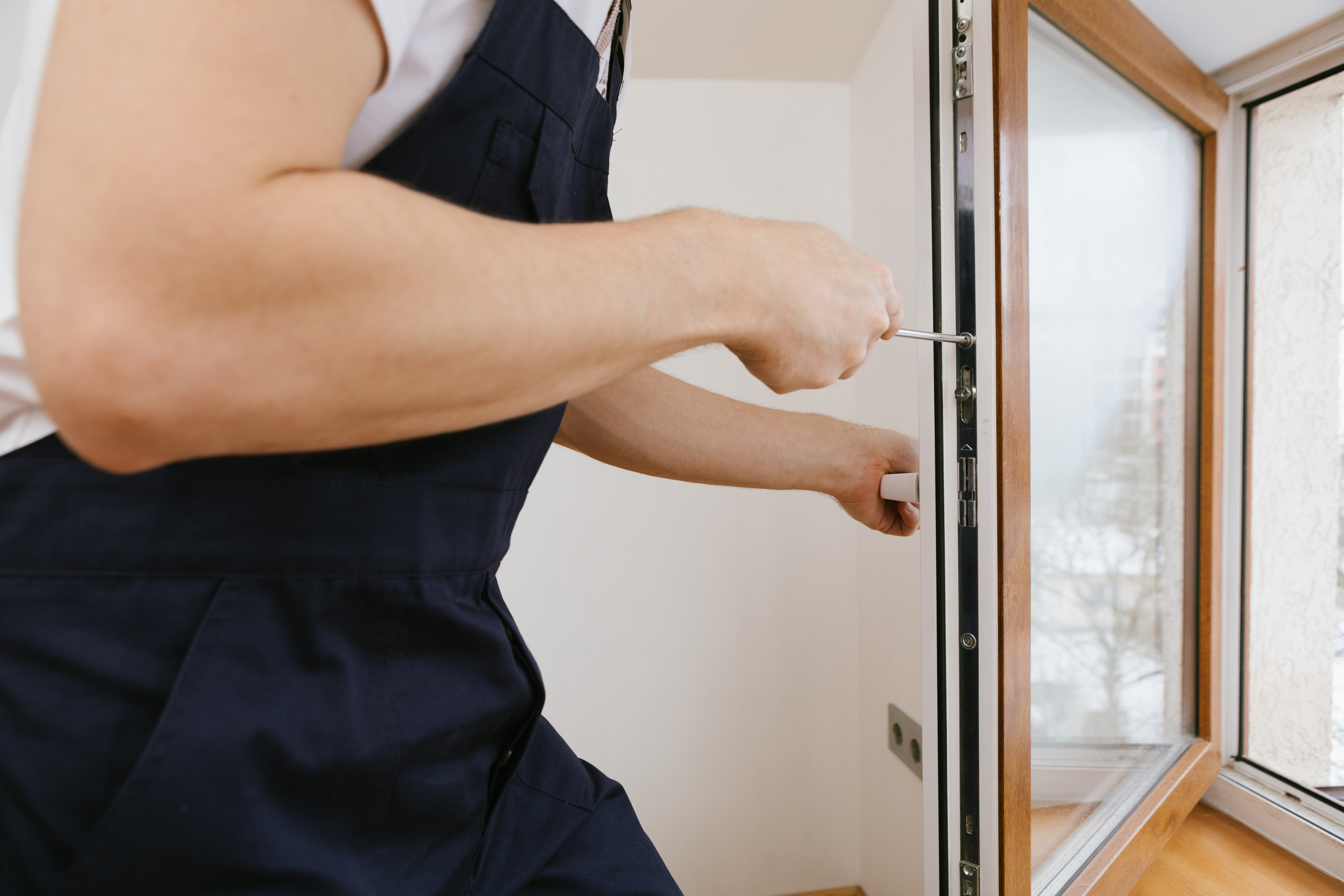
Homeowners often focus on interior spaces when thinking about comfort and energy bills, but one of the most impactful upgrades lies right on the perimeter of your home — your windows. If your home still has original single-pane windows, older double-pane units, or windows with worn frames and air leaks, your heating and cooling systems may be working overtime to compensate for the energy lost through these weak spots.
At North Edge Exteriors, we often speak with homeowners in Cambridge, Minnesota and surrounding areas about how window replacement plays a role in home performance. Replacing old windows with modern, energy-efficient options can reduce drafts, enhance insulation, and create a more consistent indoor environment, all while lowering your heating and cooling costs.
Below, we’ll explore why window replacement matters, how it improves efficiency, and what features make today’s home windows far superior to their predecessors.
Windows are essential components of your home’s envelope — they separate your interior space from the outdoor environment. But unlike solid, insulated walls, windows are more vulnerable to heat flow, air leakage, and solar gain. According to the U.S. Department of Energy, heat gain and heat loss through windows can account for 25–30% of residential heating and cooling energy use.
This is especially true in climates with significant seasonal temperature swings, like Minnesota, where cold winters and warm summers place varying demands on your HVAC system. Old or poorly sealed windows can allow significant amounts of conditioned air to escape, leading to:
By upgrading to efficient replacement windows, you can directly influence these performance issues and create a more stable, comfortable living environment.
Not all windows are created equal. Modern energy-efficient windows are engineered with several design features that collectively reduce heat transfer, limit air leakage, and improve overall performance. Here are the key technological components:
New windows often have two or more panes of glass separated by sealed air spaces filled with inert gas (like argon or krypton). These gas layers act as insulators, slowing the heat transfer between the inside and outside.
Low-E coatings are microscopic metal oxide layers applied to window glass. They reflect infrared heat while still allowing visible light to pass through. In colder months, these coatings help retain indoor heat; in summer, they reflect unwanted solar heat back outside.
Window frames made of vinyl, fiberglass, or wood with thermal breaks help minimize heat conduction through the frame itself, which is particularly important in climates with extreme temperatures.
Tight seals around the frame stop drafts and reduce air leakage, which is one of the primary sources of energy loss in older windows.
Together, these features reduce a window’s U-factor, which measures how well it insulates, and improve metrics like Solar Heat Gain Coefficient (SHGC) and visible transmittance — important factors that influence thermal comfort and light transmittance.
When you choose to replace aging windows with modern, energy-efficient models, the advantages extend beyond mere temperature control. Here’s a detailed look at the most meaningful benefits homeowners experience.
Energy losses through windows can add up quickly, especially in climates with big seasonal differences. Replacement windows reduce these losses, helping your heating and cooling systems work more efficiently and reducing utility expenses over time. Homeowners can see noticeable energy savings month after month as a result.
Drafty windows often lead to uncomfortable cold spots near window walls in winter or overheated areas in summer. Modern windows help maintain more uniform temperatures throughout living spaces, so you’ll notice fewer cold drafts and less solar overheating.
New window technologies also help reduce outside noise. If you live near busy streets, schools, or in a high-traffic neighborhood, replacement windows with multiple panes and better seals can make your interior environment quieter and more peaceful.
While maximizing natural light is a major aesthetic benefit of windows, old units often let in too much solar heat or momentum through poorly insulated glass. Today’s windows strike a balance, letting in generous light while controlling unwanted heat gain.
Quality window replacements improve curb appeal and are attractive features for prospective buyers. Many real estate professionals consider new, efficient windows a strong selling point that can influence home appraisal values.
The Twin Cities and northern Minnesota experience long winters, frequent freeze-thaw cycles, hot summers, and high humidity levels at different times of the year. These conditions put unique stress on building envelopes and make energy efficiency a top priority for homeowners.
Cold, drafty windows in winter can not only raise heating costs but also create condensation, ice buildup, and moisture problems. In summer, poorly insulated windows can contribute to solar heat gain and load stress on air conditioning systems. Given this climate variability, replacing old windows with energy-smart models is often a valuable investment in long-term performance.
At North Edge Exteriors, we work with homeowners to select windows that balance energy efficiency with style and architectural compatibility — offering options that stand up to Minnesota’s climate while complementing home aesthetics.
Selecting the right window solution involves several considerations:
Double-hung, casement, bay, and slider windows each offer different performance characteristics. For example, casement windows generally seal more tightly than sliding windows, which can improve energy performance.
Vinyl and fiberglass frames provide excellent insulation and low maintenance, while wood frames offer classic appearances with good thermal properties.
Look for products with certifications like ENERGY STAR®, which indicate that a window meets stringent performance standards for your climate zone. Certified windows often deliver measurable energy savings compared to standard products.
Even the most efficient window products will underperform if installed improperly. Proper installation ensures that frames are square, level, and sealed against air infiltration, which is crucial for maximizing performance.
Window replacement is one part of a holistic approach to exterior home efficiency. At North Edge Exteriors, homeowners often pair window upgrades with siding, roofing, and gutter solutions to enhance performance across the entire home envelope. When these systems work together — tight window seals, insulated walls, well-maintained roofs, and effective water management — the overall efficiency and resilience of the home improves substantially.
While window replacement involves an upfront investment, the long-term advantages often outweigh initial costs. In addition to monthly energy savings, efficient windows contribute to:
Many energy experts recommend evaluating your home’s full energy profile, including insulation, HVAC efficiency, and window performance, to identify the most cost-effective upgrades.
For more information about energy-efficient window replacement and other exterior home solutions, please visit our Contact page below. Our team is happy to share insights and answer questions about your project.
Contact Information:
North Edge Exteriors
Phone: 320-515-9134
Email: info@northedgeexteriors.com
Address: 1650 32nd Ave SW, Cambridge, MN 55008
Contact Page: https://northedgeexteriors.com/contact/