
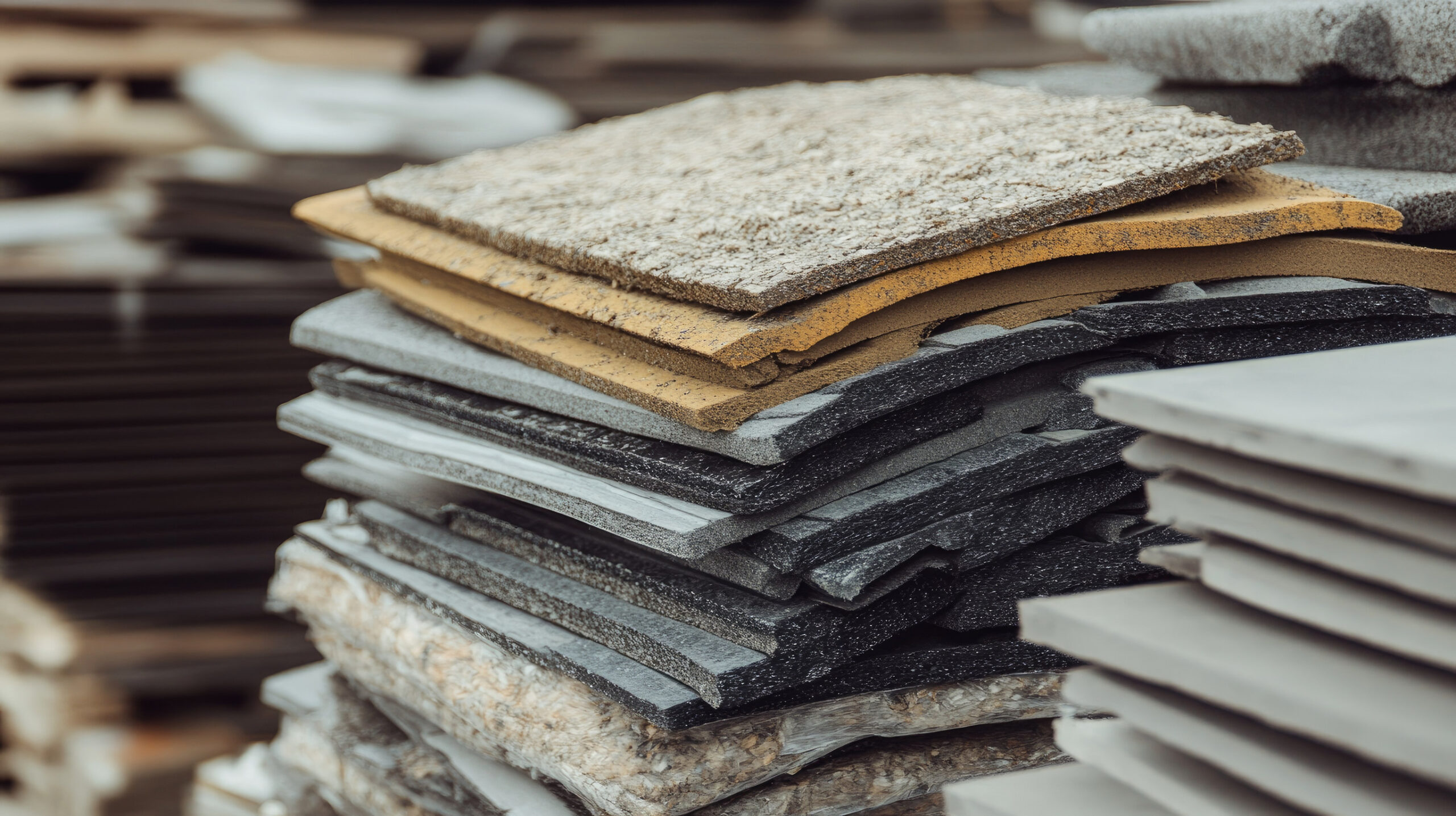
When you picture a typical Minnesota home, there is a good chance you picture a sloped roof covered in asphalt shingles. From established neighborhoods to newer residential developments, asphalt shingle roofing is a familiar sight throughout the state.
That popularity is not simply about tradition.
Minnesota homeowners need roofing materials that make sense for a climate defined by snow, ice, rain, wind, hail, summer heat, and dramatic seasonal temperature changes. At the same time, a new roof is a significant home improvement project, so homeowners also need to balance durability, appearance, maintenance, installation, and overall value.
For many homes, asphalt shingles provide that balance.
Modern asphalt roofing systems offer homeowners numerous colors and styles, dependable weather protection, straightforward maintenance, and options for different budgets and architectural designs. When paired with quality materials, proper attic ventilation, appropriate underlayment, and professional installation, asphalt shingles can provide a practical roofing solution for Minnesota homes.
Here is a closer look at why asphalt shingles remain such a popular Minnesota roofing choice and what homeowners should understand before selecting a new roof.
There is no single roofing material that is automatically right for every property. Roof design, budget, architecture, location, maintenance expectations, and exposure to weather all influence the decision.
Asphalt shingles remain a common residential roofing material because they perform well across several of these categories at once.
Homeowners can choose from a broad range of shingle colors and profiles. Repairs are generally straightforward when damage is isolated. Asphalt roofing works with many common residential roof designs, and homeowners can select products with different performance features depending on the needs of the property.
For Minnesota homeowners in particular, that versatility matters.
A roofing system may encounter below-freezing temperatures in winter, significant snowfall, spring rain, summer thunderstorms, hail, wind, and intense sunlight during the same year. Selecting a roof therefore involves more than choosing a material that looks attractive from the street.
The entire roofing system needs to be considered.
Cost is understandably one of the first considerations when homeowners begin researching roof replacement.
Premium roofing materials can provide excellent performance, but the initial investment may be considerably higher than an asphalt shingle roofing system. Asphalt shingles offer a practical middle ground for homeowners who want dependable protection without necessarily moving into a specialty roofing material.
That does not mean all asphalt shingles are inexpensive or identical.
Asphalt roofing is available at different quality and performance levels. Architectural shingles, for example, generally provide greater dimension and a more substantial appearance than traditional three-tab shingles. Premium products may also offer enhanced design features or performance characteristics.
This variety allows homeowners to evaluate a roofing system based on the home’s needs and their project priorities instead of having only one standard option.
The important comparison is not simply the price of a bundle of shingles. Homeowners should consider the complete roofing system, including materials, installation, ventilation, underlayment, flashing, warranty coverage, tear-off requirements, and long-term maintenance.
A properly installed asphalt roof can provide an appealing combination of upfront value and long-term residential performance.
Minnesota’s housing stock is diverse.
Depending on the community, you may find traditional farmhouses, ranch homes, split-level houses, Craftsman-inspired properties, cabins, contemporary homes, and newer suburban construction.
Asphalt shingles complement many of these architectural styles.
Modern shingles are available in a wide selection of colors, blends, textures, and dimensional profiles. Homeowners are not limited to the flat, uniform appearance that may come to mind when thinking about older asphalt roofing.
Depending on the product, shingles can create subtle shadow lines and visual depth that give the roof greater architectural character.
Color selection can also help coordinate the roof with:
A roof represents a large portion of the home’s visible exterior. Choosing the right shingle can therefore influence the appearance of the entire property.
For homeowners planning multiple exterior improvements, selecting roofing alongside siding, gutters, windows, and trim can create a more cohesive finished appearance.
A Minnesota roof needs to do much more than shed an occasional rainstorm.
Throughout the year, roofing materials may encounter snow, ice, wind-driven rain, hail, ultraviolet exposure, changing humidity, and substantial temperature swings.
Asphalt shingles are designed as part of a layered roofing system that sheds water away from the structure while protecting the roof deck underneath.
The shingles themselves are only one component. A complete roof can also include:
Every component contributes to overall roof performance.
This is an important point for homeowners comparing roofing estimates. Two estimates that both mention “asphalt shingles” may not represent equivalent roofing systems. Product quality, accessory materials, ventilation planning, flashing details, and installation practices can all affect the finished roof.
No roofing material is immune to damage.
Minnesota storms can bring hail, high winds, falling branches, and airborne debris. Winter weather can also reveal weaknesses that were not obvious during warmer months.
One practical advantage of asphalt shingles is that localized damage can sometimes be addressed without replacing an entire roof.
Depending on the roof’s condition, age, and extent of the problem, a roofing professional may be able to repair an affected area, replace damaged shingles, correct flashing issues, or address another isolated concern.
Repair is not appropriate in every situation. A roof with widespread deterioration, extensive storm damage, repeated leaks, or significant age-related wear may be a better candidate for replacement.
Still, the ability to address localized asphalt shingle damage can be useful over the life of a roofing system.
Homeowners should also keep in mind that matching older shingles can become more difficult as products weather, colors fade, and manufacturers update product lines. This is another reason to evaluate the overall condition of the roof rather than focusing exclusively on one damaged area.
Roofing is primarily protective, but appearance matters too.
A roof that complements the rest of the home’s exterior can improve curb appeal and create a more finished architectural appearance.
Today’s asphalt shingles provide considerably more design flexibility than many homeowners expect.
Homeowners can explore shades such as:
The ideal color depends on the siding, trim, architectural style, surrounding environment, and homeowner preferences.
Lighter and darker roofs can also create very different visual effects. A dark roof may provide strong contrast against lighter siding, while a more blended roof color can create a softer transition between exterior materials.
Rather than selecting a shingle from a small sample alone, homeowners may find it useful to consider how the color will appear across an entire roof and under different lighting conditions.
North Edge Exteriors works with CertainTeed asphalt shingles and offers multiple styles and colors intended to complement different architectural designs.
Minnesota’s changing seasons place unique demands on a roofing system.
Winter introduces snow accumulation, ice, and freezing temperatures. Spring can bring rapid melting and heavy rain. Summer may include strong thunderstorms, hail, wind, heat, and intense sunlight. Fall adds leaves, debris, rain, and another transition toward freezing temperatures.
The roof must continue functioning through all of it.
One reason asphalt shingles remain common in Minnesota is that properly selected and installed products are designed for outdoor exposure across a wide range of conditions.
However, homeowners should avoid viewing the shingles as an isolated layer.
Roof performance during Minnesota winters is also closely related to conditions inside the home, particularly the attic.
One of the most important concepts for Minnesota homeowners is that some winter roofing problems begin underneath the roof rather than on top of it.
Heat escaping into the attic can warm portions of the roof deck. Snow above the warmer area can melt, allowing water to travel toward colder roof edges and refreeze.
This process contributes to ice dam formation.
The University of Minnesota Extension explains that differences in roof surface temperatures, snow cover, outdoor temperatures, and heat loss from the home interact in the formation of ice dams.
That means simply choosing quality asphalt shingles does not solve every winter roofing concern.
A well-planned roofing system should also account for:
Proper attic conditions can support roof performance while helping reduce moisture and temperature-related problems.
If a home repeatedly experiences heavy ice dams, the underlying cause deserves investigation rather than simply treating the visible ice as the entire problem.
Another reason asphalt shingles remain widely used is the established installation knowledge surrounding the material.
Roofing professionals routinely work with asphalt systems, and manufacturers provide detailed installation specifications covering shingles, flashing, ventilation, underlayment, and accessories.
That familiarity can be beneficial, but homeowners should not assume every asphalt roof will perform equally well.
Installation quality matters.
Common roofing problems can develop when contractors overlook important details around:
These areas deserve careful attention because water tends to find vulnerabilities in a roofing system.
Choosing a contractor with manufacturer training or certification can provide additional confidence that installation practices follow established requirements.
North Edge Exteriors is a 4 Star CertainTeed Certified Contractor and specializes in CertainTeed asphalt shingle roofing, including roof replacement, inspection, maintenance, and repair services.
Regular roof inspections can help identify problems before they become more extensive.
Asphalt shingle roofs provide several visible indicators of condition. During an exterior inspection, professionals may look for issues such as:
Not every visual change means a roof needs replacement. Some conditions may be cosmetic, localized, or repairable.
The purpose of an inspection is to understand the condition of the roofing system and determine whether maintenance, repair, continued monitoring, or replacement is appropriate.
Minnesota homeowners may find inspections particularly useful after severe storms or when a roof begins showing signs of age.
A roof does not protect a home by itself.
Water leaving the roof must enter the gutter system and move away from the structure. Siding and exterior trim protect vertical surfaces. Windows and penetrations need proper flashing and sealing.
When one component fails, another part of the exterior may experience additional stress.
For example, clogged or damaged gutters can allow water to overflow near the roof edge and fascia. Damaged flashing can allow water behind otherwise healthy shingles. Poor attic conditions can contribute to winter moisture concerns.
Thinking of the home exterior as a connected system can help homeowners make better maintenance decisions.
This is particularly relevant in Minnesota, where exterior components face demanding weather throughout the year.
Another advantage of asphalt roofing is the range of products available from established manufacturers.
The Asphalt Roofing Manufacturers Association provides educational information for homeowners and roofing professionals about asphalt roofing systems, including different types of asphalt roofing and their benefits.
For homeowners, product variety means roofing decisions can be based on more than color alone.
Depending on the specific product line, factors to compare may include:
Product specifications vary, so homeowners should review the documentation for the particular shingle they are considering rather than assuming every asphalt shingle offers the same performance.
Every roof requires some level of attention over its service life.
For asphalt shingles, sensible maintenance generally focuses on keeping the roofing system clear, monitoring visible changes, maintaining gutters, and addressing problems before they allow water into the structure.
Homeowners can support their roofing system by:
Homeowners should avoid walking on the roof unnecessarily. Besides creating a fall hazard, foot traffic can damage roofing materials.
Visual inspections from the ground and professional evaluations are safer approaches when there is concern about roof condition.
Eventually, every roofing system reaches a point when continued repairs are no longer the most practical approach.
Signs that an asphalt shingle roof may need closer evaluation include widespread shingle deterioration, recurring leaks, missing shingles, extensive storm damage, visible sagging, or repeated repairs in multiple areas.
Roof age can provide context, but age alone should not determine whether replacement is necessary.
A roof’s condition depends on many variables, including:
An inspection provides a clearer picture than simply relying on a generalized lifespan estimate.
When replacement becomes appropriate, asphalt shingles allow homeowners to reconsider color, style, performance characteristics, ventilation, and other roofing details at the same time.
Homeowners considering a new asphalt shingle roof should evaluate the complete project rather than selecting a product based on appearance or price alone.
Useful questions include:
What type of asphalt shingle is being proposed?
Ask for the exact manufacturer and product line.
What does the roofing system include?
Understand the underlayment, flashing, starter materials, ridge products, ventilation, and other components included in the estimate.
How will attic ventilation be evaluated?
Ventilation should be considered as part of the roofing system, especially in Minnesota.
What warranty applies?
Review both manufacturer warranty information and contractor workmanship coverage.
How will existing roofing materials be handled?
Understand the tear-off, disposal, decking inspection, and cleanup process.
What happens if damaged decking is discovered?
A clear estimate should explain how unforeseen substrate problems will be addressed.
Is the contractor certified by the manufacturer?
Manufacturer certifications can indicate additional product training and adherence to specified installation practices.
These questions help homeowners compare roofing proposals based on the complete project instead of a single bottom-line number.
Asphalt shingles have remained a leading residential roofing option because they solve several practical needs at once.
They provide weather protection, broad design flexibility, repairability, established installation methods, and options at multiple price and performance levels.
For Minnesota homeowners, those advantages are particularly useful.
A roof must endure dramatic seasonal changes while still fitting the style and budget of the property. Asphalt shingles provide homeowners with numerous choices without requiring a highly specialized roofing system.
Their popularity, however, should not be mistaken for simplicity.
Long-term roof performance depends on the quality of the shingles, proper installation, flashing details, attic conditions, ventilation, drainage, maintenance, and the overall design of the roofing system.
Choosing the right product is important. Making sure all those pieces work together is equally important.
For many Minnesota homes, that combination of practicality, appearance, adaptability, and proven residential use explains why asphalt shingles continue to be such a familiar roofing choice.
North Edge Exteriors provides roofing and exterior services for homeowners in Cambridge and surrounding Minnesota communities. The company is a 4 Star CertainTeed Certified Contractor and specializes in CertainTeed asphalt shingle roofing, along with roof inspections, maintenance, and repairs.
Homeowners researching asphalt shingles, roof replacement, storm-related concerns, or other exterior improvements can use the company’s service and contact information as a resource when planning a project.
North Edge Exteriors
1650 32nd Ave SW
Cambridge, MN 55008
Phone: 320-515-9134
Email: info@northedgeexteriors.com