
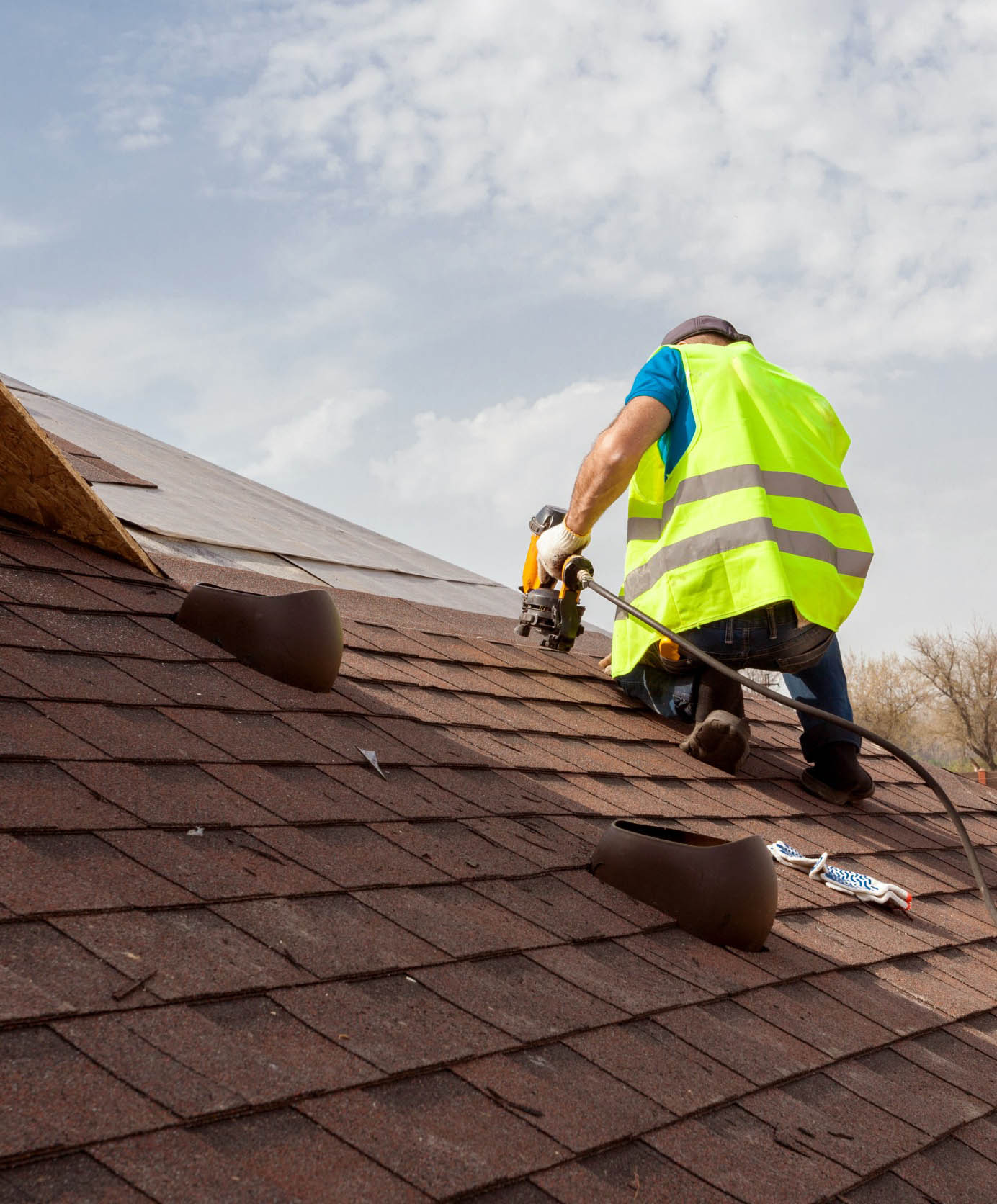
Minnesota winters are known for harsh weather conditions that can place significant stress on residential roofing systems. Heavy snow accumulation, freezing temperatures, ice dams, and high winds all contribute to seasonal wear and tear that may weaken a roof over time. While some winter-related roof damage is easy to spot, other issues develop gradually and may remain hidden until larger problems appear.
Because the roof serves as the first line of defense against moisture and environmental exposure, even minor winter damage can affect the safety, efficiency, and structural integrity of a home. Identifying warning signs early can help homeowners determine whether repairs are sufficient or whether roof replacement may be necessary.
This guide explores the most common signs your roof may need replacing after winter and explains why preventative maintenance and inspections are especially important in Minnesota’s climate.
Winter weather creates unique challenges for roofing materials. Snow, ice, fluctuating temperatures, and moisture all impact the performance and lifespan of a roof.
One of the biggest causes of winter roof damage is the freeze-thaw cycle. As temperatures rise and fall, moisture trapped within roofing materials repeatedly freezes and expands before thawing again.
Over time, this process can:
Minnesota homes experience these temperature fluctuations regularly throughout the winter and early spring months.
Excess snow adds significant weight to roofing systems. Older roofs or roofs with existing weaknesses may struggle under the pressure.
Heavy snow loads can contribute to:
While most roofs are designed to handle seasonal snow, repeated winters can accelerate deterioration.
Ice dams form when heat escapes from the attic and melts snow on the roof. The melted snow then refreezes near roof edges, creating a barrier that prevents proper drainage.
This trapped water may seep beneath shingles and into the home.
Ice dams often lead to:
In many cases, repeated ice dam formation is a sign that the roofing system and ventilation may no longer be functioning efficiently.
One of the most noticeable signs that a roof may need replacement after winter is missing or damaged shingles.
Winter storms and strong winds can:
Damaged shingles expose the roof deck to moisture and UV exposure, increasing the risk of leaks and structural deterioration.
Homeowners should look for:
If damage is widespread, replacement may be more practical than ongoing repairs.
Asphalt shingles are coated with protective granules that shield them from weather and UV exposure. During winter, snow, ice, and freeze-thaw cycles can loosen these granules.
After snow melts, homeowners may notice granules collecting in:
Granule loss reduces the roof’s ability to protect against moisture and sunlight, accelerating aging and deterioration.
Excessive granule loss is often a warning sign that shingles are nearing the end of their lifespan.
Water intrusion is one of the clearest indicators of roofing failure.
Signs of leaks may include:
In many cases, winter-related leaks develop slowly and become more noticeable after snow begins melting in spring.
Leaks caused by ice dams or damaged shingles can eventually lead to:
Even small leaks should be evaluated promptly to prevent further problems.
A sagging roofline is a serious issue that may indicate structural weakening beneath the roofing materials.
Winter weather can contribute to sagging through:
Sagging areas should never be ignored, as they may signal compromised decking or structural supports.
Professional evaluation is recommended immediately if any roof sagging is visible.
A roof does more than protect against weather—it also contributes to a home’s energy efficiency.
When roofing systems become damaged or poorly ventilated, heat loss may increase significantly during winter.
Homeowners may notice:
Poor insulation, ventilation issues, and moisture damage can all contribute to reduced efficiency.
According to ENERGY STAR, improving the building envelope—including roofing and insulation systems—helps reduce energy loss and maintain indoor comfort.
Winter roof damage often affects attic ventilation and insulation performance.
Signs of hidden moisture problems include:
When warm indoor air becomes trapped in the attic, moisture buildup can occur, damaging roofing materials from the inside.
These issues may indicate that the roof system is no longer properly ventilated or sealed.
Flashing protects vulnerable areas around:
Winter weather can loosen or crack flashing materials, allowing water intrusion during snowmelt and spring rains.
Damaged flashing often causes leaks before shingles themselves fail.
Because flashing problems are not always visible from the ground, roof inspections are important after severe winter conditions.
While more common in humid environments, moss and algae growth can also appear on roofs where moisture remains trapped.
Excessive moisture retention after winter may indicate:
Persistent moisture contributes to accelerated deterioration and may reduce roof lifespan significantly.
Repeated winter exposure gradually weakens roofing materials over time.
Common long-term effects include:
Even if a roof appears functional, cumulative winter damage may significantly reduce its remaining lifespan.
Routine inspections help identify these issues before they become major structural concerns.
Many winter-related roofing problems are difficult to identify without a close inspection.
Professional inspections help evaluate:
Early detection helps homeowners address problems before they lead to extensive repairs or interior damage.
In Minnesota, where winter weather creates ongoing stress on exterior systems, annual inspections are especially valuable.
While some winter damage can be repaired, replacement may be more practical when:
Replacing a roof allows homeowners to improve:
Modern roofing systems are designed to better withstand harsh climates and provide stronger resistance to winter-related damage.
Minnesota homeowners should consider roofing materials designed for:
Popular roofing options include:
Selecting durable materials helps improve long-term roof performance and reduce maintenance concerns.
Winter weather can have a lasting impact on roofing systems, even when damage is not immediately visible. By understanding the warning signs of roofing deterioration, homeowners can better protect their homes from leaks, structural damage, and reduced energy efficiency.
Routine inspections, preventative maintenance, and timely repairs all play important roles in preserving roof lifespan and overall home protection.
For Minnesota homeowners, paying close attention to the condition of the roof after winter is one of the best ways to avoid costly long-term issues.
North Edge Exteriors provides roofing services designed to withstand Minnesota’s demanding climate while improving long-term durability and performance. With experience in roof inspections, replacement services, and exterior remodeling, the team focuses on quality workmanship and dependable solutions tailored to local weather conditions.
If you would like additional information about roof replacement, winter roof damage, or exterior home improvement services, North Edge Exteriors can provide guidance based on your property’s needs.
North Edge Exteriors
Phone: 320-515-9134
Email: info@northedgeexteriors.com