
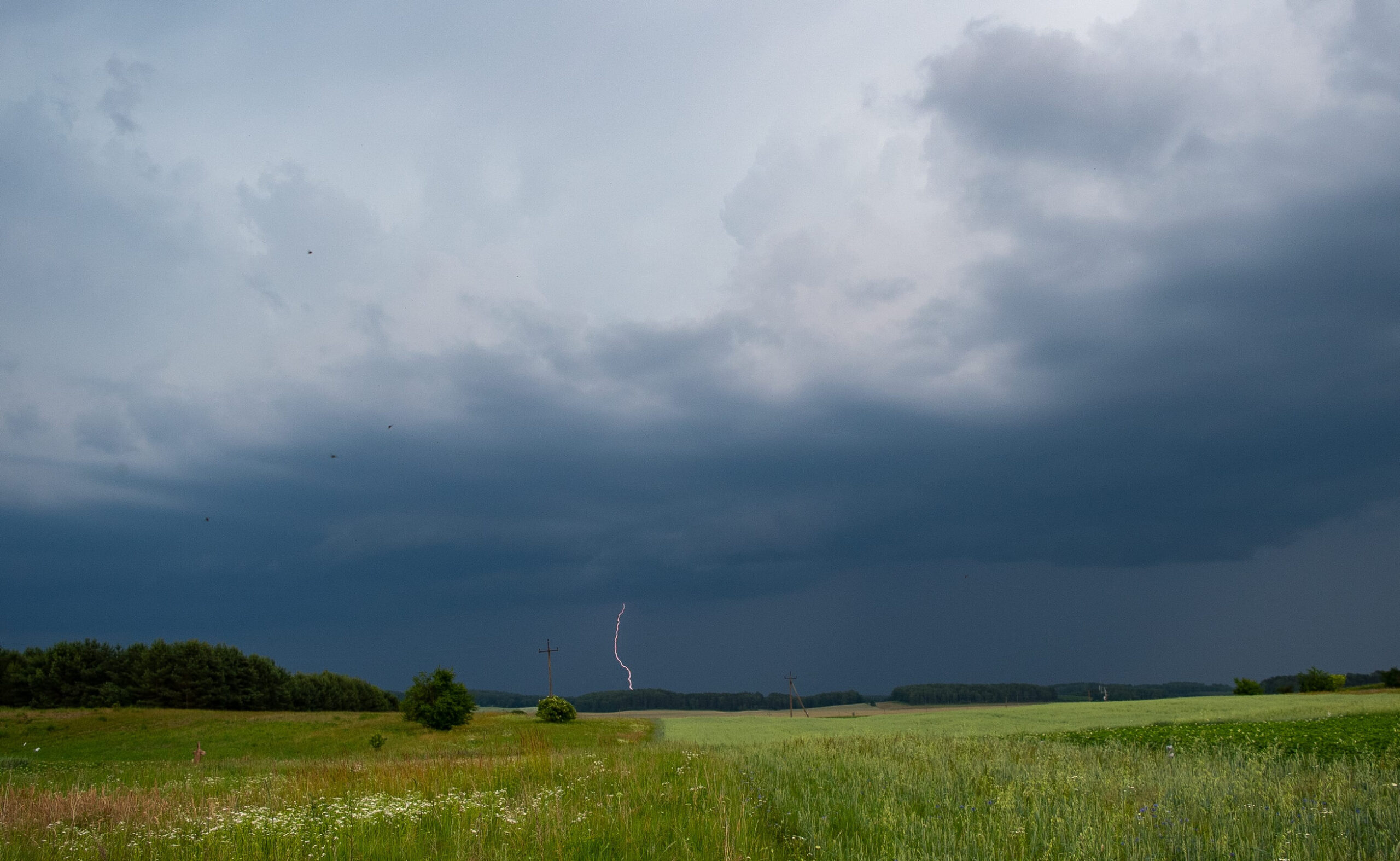
Minnesota summers bring sunshine, warm temperatures, and longer days, but they also introduce the potential for severe weather. Thunderstorms, hail, high winds, heavy rainfall, and lightning can develop quickly and create significant challenges for homeowners. While severe weather cannot be prevented, homeowners can take steps to reduce the likelihood of damage and improve the resilience of their homes before storm season arrives.
Many of the most expensive storm-related repairs stem from issues that existed before the storm occurred. Aging roofing materials, clogged gutters, loose siding, and deteriorating windows can all become vulnerable points during extreme weather events. By preparing in advance, homeowners can strengthen their homes against summer storms while also protecting long-term property value.
This guide explores practical strategies for preparing your home for severe summer weather and highlights why preventative maintenance plays a critical role in protecting Minnesota homes.
Minnesota experiences a variety of weather conditions throughout the summer months. While not every storm causes major damage, severe weather events can develop with little warning.
Common summer weather threats include:
Each of these conditions can impact different parts of a home’s exterior. Roofing systems, siding, windows, gutters, and drainage systems all play an important role in protecting the structure from storm-related damage.
Understanding where vulnerabilities exist is often the first step toward better preparation.
Your roof serves as the first line of defense during severe weather. Before summer storm season begins, it is important to assess the condition of your roofing system.
Winter weather often leaves behind damage that may not be immediately visible. Missing, curled, cracked, or loose shingles can create openings where water may enter during heavy rain.
Even minor damage can worsen when exposed to strong winds and hail.
Areas around chimneys, vents, skylights, and roof valleys are particularly vulnerable during storms. Damaged flashing can allow water intrusion even when shingles appear intact.
Older roofing systems may be more susceptible to wind damage and moisture infiltration. Homeowners should understand the age of their roof and monitor for signs of deterioration.
Regular inspections help identify small problems before severe weather turns them into major repairs.
Gutters play a critical role in managing rainwater during storms. When gutters become clogged with leaves, twigs, and debris, water cannot flow properly away from the home.
Blocked gutters may contribute to:
Before storm season begins:
Well-maintained gutters help reduce water-related damage during periods of heavy rainfall.
Siding protects the structural walls of your home from moisture, wind, and impact damage. Storm season is an ideal time to inspect siding for signs of wear.
Small openings can allow moisture to penetrate behind siding materials, leading to long-term structural issues.
Strong winds can pull loose siding away from the home, exposing underlying materials to rain and debris.
Caulking around trim, windows, and doors should be intact to prevent water infiltration during storms.
Addressing siding concerns before severe weather arrives helps strengthen the home’s protective exterior envelope.
Windows and doors are often vulnerable during high winds and driving rain.
Worn weatherstripping may allow water and air infiltration during storms.
Frames should be free from rot, cracks, and moisture damage.
Windows and doors should close securely and latch properly to provide protection during severe weather.
Modern energy-efficient windows often offer improved weather resistance and can enhance overall storm preparedness.
Trees provide beauty and shade, but they can also become hazards during severe storms.
Strong winds may cause branches to break and fall onto:
Homeowners should:
Routine tree maintenance reduces the likelihood of storm-related property damage.
Many homeowners overlook outdoor objects when preparing for storms.
Items such as:
can become airborne during high winds.
Before storms approach:
Taking these precautions helps reduce potential damage to both your property and neighboring homes.
Heavy rain is one of the most common causes of storm-related property damage.
Poor drainage can contribute to:
Homeowners should inspect grading around the home to ensure water flows away from the foundation.
Additional drainage solutions may include:
Managing water effectively is an important component of storm preparedness.
Older storm damage can weaken a home’s ability to withstand future weather events.
Common signs include:
Addressing existing damage before the next storm arrives helps prevent more extensive issues.
When planning future exterior upgrades, homeowners may want to consider materials designed to better withstand severe weather.
Examples include:
Some roofing products are engineered to resist hail and wind damage more effectively than traditional materials.
Fiber cement and engineered siding products often offer improved resistance to weather-related wear.
Many modern windows include stronger glass and enhanced weather-resistant designs.
Choosing durable materials can improve long-term resilience while reducing maintenance concerns.
Proper attic ventilation contributes to year-round roof performance.
Benefits include:
Poor ventilation can accelerate roofing deterioration and increase vulnerability during severe weather.
Homeowners should ensure attic airflow systems remain unobstructed and functioning properly.
One of the most effective ways to prepare for summer storms is through routine maintenance.
A seasonal checklist may include:
Regular maintenance helps reduce the likelihood of unexpected problems.
Some storm-related vulnerabilities are difficult to identify without professional experience.
A professional exterior inspection can help evaluate:
Identifying issues early often prevents larger repairs later.
For homeowners in Minnesota, annual inspections can provide valuable insight into the condition of exterior systems before severe weather develops.
Preparing your home for summer storms offers benefits that extend beyond weather protection.
Proactive maintenance can help:
Homes that receive regular inspections and maintenance are generally better equipped to handle severe weather throughout the year.
Minnesota homeowners understand that weather conditions can change rapidly. Summer storms often arrive with little warning, bringing wind, hail, rain, and other hazards that can impact a home’s exterior.
While no home can be completely immune to severe weather, preparation can make a significant difference. By inspecting roofing, siding, windows, gutters, and drainage systems before storm season begins, homeowners can improve their home’s resilience and reduce the risk of costly damage.
Taking a proactive approach to exterior maintenance helps ensure that your home remains protected not only during summer storms but throughout every season.
North Edge Exteriors provides roofing, siding, window, and exterior remodeling solutions designed to help Minnesota homes withstand changing weather conditions. With experience in exterior protection, storm-related repairs, and home improvement services, the team focuses on quality craftsmanship and dependable installation tailored to Minnesota’s climate.
If you would like additional information about exterior maintenance, storm preparedness, or home improvement services, North Edge Exteriors can provide guidance based on your property’s needs.
North Edge Exteriors
Phone: 320-515-9134
Email: info@northedgeexteriors.com