
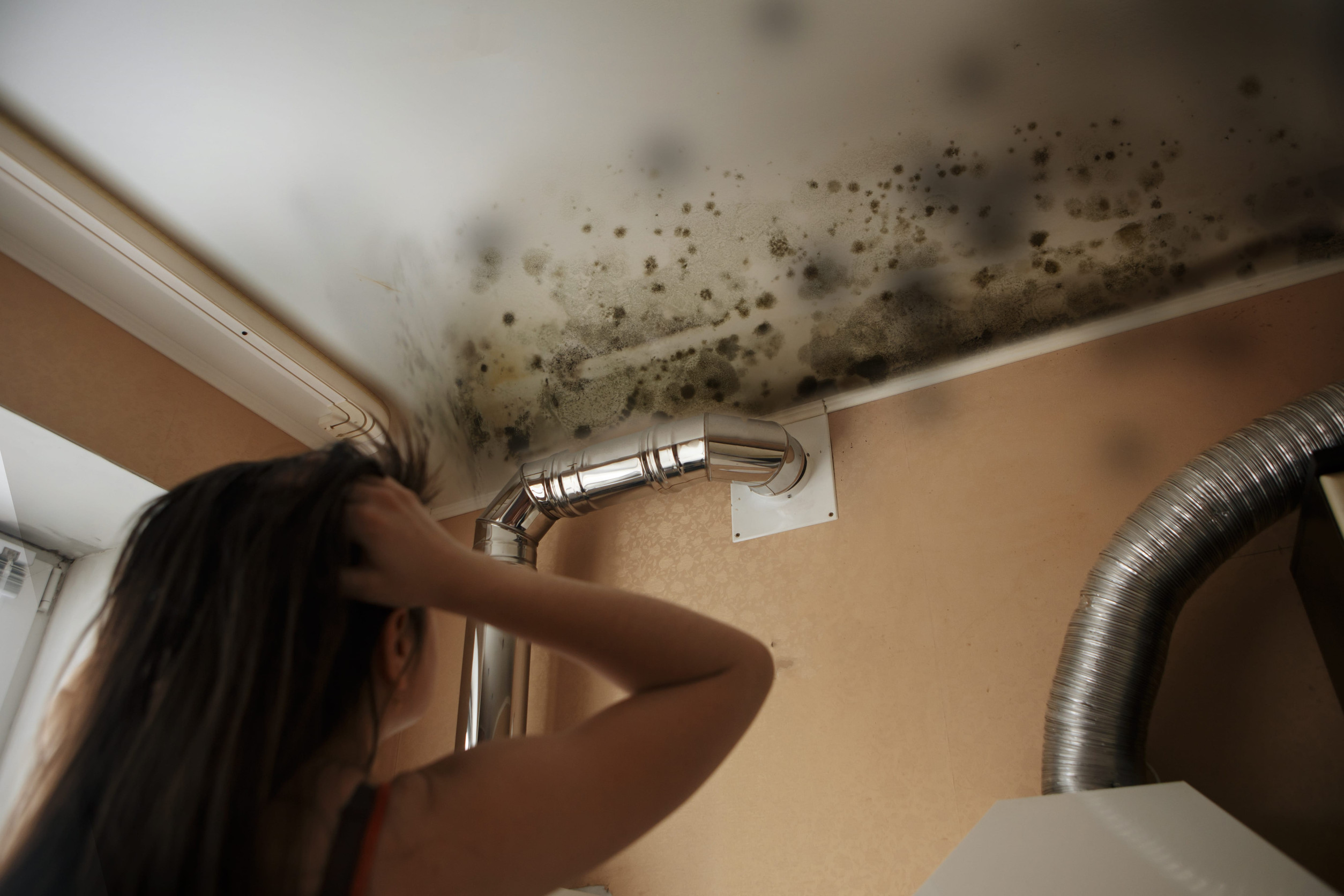
A roof is designed to protect a home from the elements, but even the most durable roofing systems can develop vulnerabilities over time. Roof leaks are among the most common issues homeowners encounter, often leading to water damage, mold growth, insulation problems, and costly repairs if left unaddressed.
In Minnesota, roofs face unique challenges due to extreme seasonal weather conditions. Heavy snowfall, ice dams, hailstorms, wind-driven rain, and freeze-thaw cycles can all contribute to roofing deterioration. While some leaks occur suddenly after severe weather, many develop gradually as roofing materials age and wear down.
Understanding the most common causes of roof leaks can help homeowners identify warning signs early and take preventative measures before minor issues become major problems. This guide explores what causes roof leaks, how leaks affect a home’s structure, and the steps homeowners can take to reduce the risk of future damage.
A roof leak may seem like a minor inconvenience at first, but water intrusion can spread quickly throughout a home’s structure.
Even a small leak can lead to:
Because water often travels before becoming visible, the source of a leak may not be directly above the area where damage appears.
Addressing roofing concerns early helps prevent extensive repairs and preserves the long-term integrity of the home.
One of the most common causes of roof leaks is simple aging.
All roofing materials have a limited lifespan. Over time, exposure to sunlight, temperature fluctuations, moisture, and severe weather gradually weakens their ability to protect the home.
Common signs of aging include:
As roofing materials deteriorate, water can more easily penetrate beneath the protective surface.
Homeowners should understand the expected lifespan of their roofing system and monitor for signs of wear as the roof ages.
Shingles serve as the primary protective layer against rain, snow, and moisture.
Severe weather events can cause shingles to:
High winds are particularly common culprits. Once shingles become damaged or go missing, underlying roofing components become exposed to the elements.
Water can quickly enter these vulnerable areas, especially during heavy rainstorms.
Regular inspections can help identify damaged shingles before leaks develop.
Ice dams are a significant concern for homeowners in northern climates.
Ice dams form when warm air escapes from the attic and melts snow on the roof. As melted snow flows downward, it refreezes near colder roof edges, creating a barrier that prevents proper drainage.
Water trapped behind the ice dam may then seep beneath shingles and enter the home.
Common consequences include:
Proper attic insulation and ventilation play important roles in reducing the risk of ice dam formation.
Flashing is installed around roof penetrations and transitions to prevent water intrusion.
Common flashing locations include:
Over time, flashing can:
Even a small flashing failure can create an entry point for water.
Because flashing problems are not always visible from the ground, routine roof inspections are important for identifying potential concerns.
Gutters play a critical role in directing water away from the roof and foundation.
When gutters become clogged with:
water may back up onto the roof surface.
This standing water increases the risk of:
Regular gutter cleaning and maintenance help ensure proper drainage during heavy rainfall.
Roof vents allow attic spaces to breathe and help regulate moisture levels.
However, vent systems can become vulnerable due to:
Because vents penetrate the roof surface, they require proper sealing and maintenance.
Water intrusion around damaged vents is a common source of leaks that often goes unnoticed until interior damage occurs.
Skylights provide natural light and visual appeal, but they also create additional roofing penetrations.
Leaks may develop due to:
While modern skylights are designed to resist moisture intrusion, regular inspection remains important to ensure continued performance.
Roof valleys are areas where two roof slopes meet.
These sections channel large amounts of water during rainfall and snowmelt.
Because valleys experience concentrated water flow, they are particularly vulnerable to:
Improperly maintained valleys often become leak-prone areas over time.
Routine inspections help ensure these critical sections remain in good condition.
Minnesota experiences severe weather throughout the year.
Storm-related roof damage often includes:
Hail can remove protective granules from shingles and create hidden bruising that weakens roofing materials over time.
Even if damage appears minor, storm impacts may reduce a roof’s ability to resist future moisture intrusion.
Professional inspections following major storms can help identify hidden vulnerabilities.
Many homeowners are surprised to learn that attic ventilation can contribute to roof leaks.
Without proper airflow:
Excess moisture can damage:
Poor ventilation may also accelerate shingle deterioration and contribute to ice dam formation.
A balanced attic ventilation system supports both roofing performance and energy efficiency.
Even high-quality roofing materials may fail prematurely if installation is not performed correctly.
Installation-related issues can include:
Roofing systems function as interconnected components. Proper installation helps ensure that every element works together to prevent water intrusion.
Homeowners should remain alert for early warning signs of roofing problems.
Common indicators include:
Brown or yellow discoloration on ceilings and walls.
Moisture may cause paint to bubble or peel.
Persistent moisture creates ideal conditions for mold growth.
Wet insulation often indicates a hidden leak.
Water intrusion can create unpleasant odors inside the home.
Visible dripping is often a sign that a leak has progressed significantly.
Early detection allows for quicker repairs and reduced damage.
Preventative maintenance remains one of the most effective ways to reduce the risk of roof leaks.
Routine inspections help identify:
Annual inspections are particularly beneficial in climates with severe seasonal weather.
Maintaining clear gutters helps ensure proper water flow and prevents moisture accumulation along roof edges.
After hailstorms or high-wind events, homeowners should inspect the exterior for visible damage and consider professional evaluations when needed.
Proper airflow helps control moisture and reduce temperature-related roofing stress.
Ceiling stains, mold growth, and unusual moisture should never be ignored.
Investigating concerns early often prevents larger structural repairs.
Roof leaks affect more than weather protection.
Moisture intrusion can compromise insulation performance and increase energy consumption.
According to ENERGY STAR, maintaining a properly sealed and insulated building envelope helps improve energy efficiency and indoor comfort.
By preventing leaks and preserving insulation, homeowners can support both roof longevity and energy savings.
Proactive maintenance offers several long-term advantages:
Investing in preventative care often costs significantly less than repairing extensive water damage later.
Roof leaks rarely appear without warning. In many cases, subtle signs develop months or years before major damage becomes visible.
By understanding the common causes of roof leaks—including aging materials, storm damage, flashing failures, clogged gutters, and ventilation issues—homeowners can take proactive steps to protect their homes.
Regular inspections, timely maintenance, and attention to early warning signs help preserve the integrity of roofing systems while reducing the likelihood of costly repairs.
For Minnesota homeowners, staying ahead of roofing concerns is one of the most effective ways to ensure long-term home protection and peace of mind.
North Edge Exteriors provides roofing services designed to help Minnesota homeowners protect their homes from weather-related damage and long-term roofing concerns. With experience in roof replacement, inspections, storm damage assessments, and exterior remodeling services, the team focuses on quality craftsmanship and dependable solutions tailored to local conditions.
If you would like additional information about roofing systems, leak prevention, or exterior home improvement services, North Edge Exteriors can provide guidance based on your property’s needs.
North Edge Exteriors
Phone: 320-515-9134
Email: info@northedgeexteriors.com