
A roof does more than keep rain, snow, and wind out of your home. It is part of a larger system that includes insulation, airflow, moisture control, shingles, decking, flashing, soffits, and vents. When each part of that system works together, your roof can better protect your home through every season. When one part is missing or underperforming, the entire system can suffer.
One of the most overlooked parts of roof performance is attic ventilation. Many homeowners focus on shingles, gutters, siding, and windows, but the attic space beneath the roof plays a major role in how long roofing materials last. Proper attic ventilation helps regulate temperature, reduce trapped moisture, prevent ice dams, and support better energy efficiency.
For Minnesota homeowners, attic ventilation is especially important. Homes in this region face freezing winters, heavy snow, spring thaw cycles, humid summers, and strong seasonal storms. Without balanced attic airflow, heat and moisture can build up beneath the roof deck, creating conditions that may shorten roof lifespan and lead to costly repairs.
Understanding how attic ventilation protects your roof can help homeowners recognize warning signs, plan maintenance, and make informed decisions about roof replacement or exterior improvements.
Attic ventilation is the movement of air through the attic space. A properly ventilated attic usually includes intake vents and exhaust vents that work together to create steady airflow.
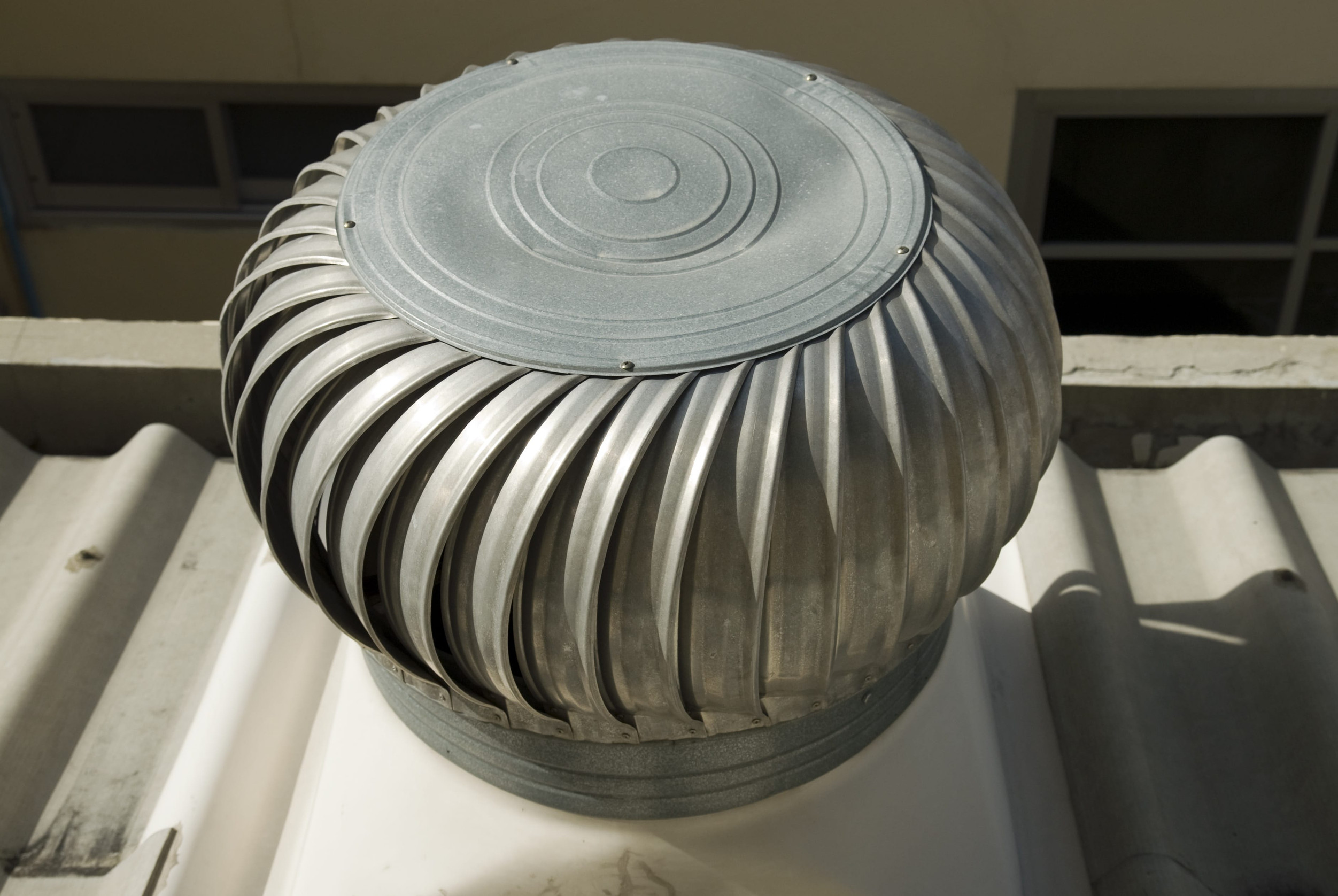
Intake vents are typically located near the lower part of the roof, often at the soffits or eaves. These vents allow fresh outdoor air to enter the attic. Exhaust vents are usually located near the upper part of the roof, such as ridge vents, roof vents, or gable vents. These allow warm, moist air to escape.
The goal is balance. Air should enter low and exit high, creating natural circulation that helps keep attic temperatures and moisture levels under control.
When ventilation is blocked, unbalanced, or missing, heat and moisture can become trapped. Over time, that trapped air can damage roofing materials from the inside out.
A roof is exposed to weather from the outside, but it can also be damaged from the inside. Poor attic ventilation can cause hidden problems that may not be visible from the ground.
A poorly ventilated attic can lead to:
These issues often develop slowly. By the time visible roof damage appears, the underlying problem may have been affecting the home for months or years.
For homeowners researching roof maintenance, roof replacement, or roofing services in Minnesota, attic ventilation should be part of the conversation.
Ice dams are one of the most common winter roofing concerns in Minnesota. They form when warm air from inside the home escapes into the attic and warms the roof deck. Snow on the roof melts, runs toward the colder roof edge, and refreezes near the eaves.
As ice builds up, it creates a barrier that prevents water from draining properly. That trapped water can back up under shingles and eventually leak into the home.
Proper attic ventilation helps reduce this risk by keeping the roof deck closer to the outdoor temperature. When combined with proper insulation and air sealing, ventilation helps prevent uneven roof warming.
Signs of ice dam issues may include:
While ventilation alone may not solve every ice dam problem, it is an important part of a complete roof protection strategy.
Moisture is one of the biggest threats to a roofing system. Everyday activities such as cooking, showering, laundry, and heating can add moisture to indoor air. If warm, moist air escapes into the attic and cannot ventilate properly, condensation may form on cold surfaces.
In a Minnesota winter, this moisture can collect on the underside of the roof deck. Over time, condensation may lead to:
Moisture problems are not always obvious. A roof may look fine from the outside while hidden attic issues slowly weaken the structure underneath.
Balanced attic ventilation allows moist air to escape before it causes damage. This helps protect the roof deck, insulation, and framing materials that support the entire roofing system.
Attic ventilation is also important during warm weather. In the summer, heat can build up inside the attic, especially under dark roofing materials. Without proper airflow, attic temperatures may rise significantly, placing stress on shingles and roof decking.
Excessive heat can contribute to:
Although Minnesota is known for cold winters, summer heat and humidity still affect roof performance. Proper ventilation helps release trapped heat and reduce the strain on roofing materials.
For homeowners considering roof replacement, attic ventilation should be reviewed before new materials are installed. A new roof installed over a poorly ventilated attic may not perform as well as expected.
Attic ventilation also supports home energy efficiency. When attic temperatures and moisture levels are controlled, heating and cooling systems may operate more effectively.
In winter, proper ventilation helps reduce moisture buildup and supports a colder roof deck, helping limit ice dam risk. In summer, ventilation helps release heat that can otherwise transfer into living spaces.
However, ventilation works best when paired with proper insulation and air sealing. If warm indoor air is leaking into the attic, ventilation may help remove some heat and moisture, but the underlying air leaks should still be addressed.
A strong roof system includes:
Together, these features help create a more durable and efficient home exterior.
Many homeowners are unsure whether their attic ventilation is working properly. Some warning signs may appear inside the home, while others show up on the roof.
Common signs of poor attic ventilation include:
If several of these signs are present, it may be worth having the attic and roofing system evaluated.
One common mistake is focusing only on exhaust vents. Exhaust vents allow air to leave the attic, but they cannot function properly without enough intake airflow.
If an attic has exhaust vents but limited intake, the system may struggle to move air efficiently. In some cases, the attic may pull air from unintended areas, such as gaps in the ceiling, which can draw warm, moist indoor air into the attic.
A balanced system includes both intake and exhaust ventilation. This allows fresh air to enter near the lower roofline and exit near the peak.
Common ventilation components include:
The right combination depends on the home’s roof design, attic layout, and existing ventilation system.
Even homes with ventilation components can experience problems if airflow is blocked. One of the most common issues is insulation covering soffit vents.
When soffit vents are blocked, fresh air cannot enter the attic properly. This limits airflow and reduces the effectiveness of the entire ventilation system.
Blocked vents may contribute to:
Attic baffles are often used to help maintain airflow between insulation and the roof deck. They create a clear pathway for air to move from the soffits into the attic.
When replacing a roof, attic ventilation should be inspected as part of the project. A roof replacement is an opportunity to evaluate whether the home has adequate intake and exhaust ventilation.
Questions homeowners may want to ask include:
Addressing ventilation during roof replacement can help protect the new roofing materials and improve long-term performance.
Some roofing materials may have warranty requirements related to proper ventilation. If a roof system is not ventilated correctly, heat and moisture issues may contribute to premature material failure.
Homeowners should review warranty information and ask whether ventilation conditions may affect coverage. Proper installation, balanced airflow, and routine maintenance all help support roof performance.
Minnesota homes experience roofing stress from multiple directions. Winter snow, spring thaw, summer heat, humidity, hail, and wind all place pressure on exterior materials.
Proper attic ventilation helps protect homes from several climate-related concerns:
Because weather conditions change dramatically throughout the year, attic ventilation is not just a seasonal concern. It matters year-round.
Homeowners can help maintain roof and attic performance with a few practical steps:
Routine maintenance helps identify small concerns before they become larger roofing issues.
A professional inspection may be helpful if the home has recurring ice dams, signs of roof leaks, attic moisture, or premature shingle wear. Inspections are also useful before replacing a roof, after severe storms, or when buying an older home.
A roof and attic inspection may review:
This broader approach helps homeowners understand how the entire roofing system is performing.
Many roof problems begin quietly. While storm damage, missing shingles, and clogged gutters are easy to recognize, attic ventilation issues often remain hidden. Yet ventilation plays a critical role in protecting the roof from moisture, heat, ice dams, and premature aging.
For Minnesota homeowners, proper attic ventilation helps support a longer-lasting roofing system and a more comfortable home. By keeping air moving through the attic, reducing trapped moisture, and limiting temperature extremes, ventilation helps the roof perform as intended through every season.
A well-maintained roofing system is not just about what is visible from the street. It also depends on what is happening beneath the surface.
North Edge Exteriors provides roofing and exterior home improvement services designed for Minnesota homes. With experience in roofing, siding, windows, and gutters, the team focuses on durable materials, dependable craftsmanship, and exterior solutions suited for local weather conditions.
If you would like additional information about roofing systems, attic ventilation, roof replacement, or exterior home maintenance, North Edge Exteriors can provide guidance based on your property’s needs.
North Edge Exteriors
Phone: 320-515-9134
Email: info@northedgeexteriors.com