
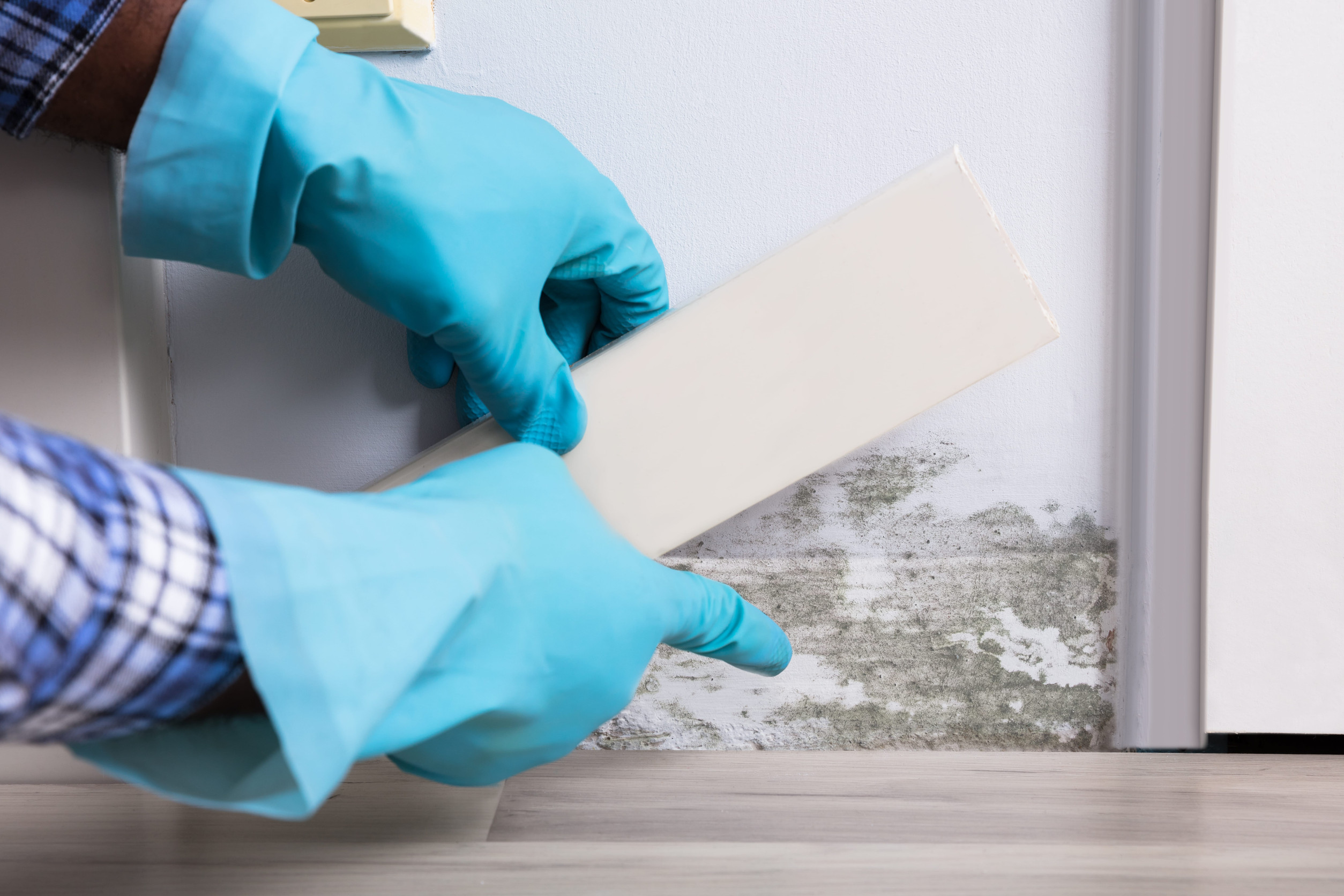
Your home’s siding does much more than improve curb appeal. It serves as one of the most important barriers protecting your home from rain, snow, wind, and moisture. While modern siding systems are designed to withstand years of harsh weather, they aren’t completely immune to damage. In Minnesota, where homes experience heavy snowfall, ice, driving rain, strong winds, and dramatic temperature swings throughout the year, even a small opening in your home’s exterior can allow water to reach the materials hidden beneath the siding.
Unfortunately, water intrusion is rarely obvious at first. Moisture can remain trapped behind siding for months—or even years—before visible damage appears. By the time homeowners notice interior stains or significant deterioration, repairs often extend well beyond replacing a few pieces of siding.
Understanding the signs of hidden water damage behind siding can help you identify problems early, minimize repair costs, and protect your home’s structural integrity.
Water naturally seeks the easiest path into any opening. Small cracks, damaged caulking, improperly installed flashing, aging siding, or storm damage can all allow moisture to work its way behind your exterior.
Once water reaches the wall assembly, it can affect:
Because siding conceals these materials, damage often progresses unnoticed.
The longer moisture remains trapped, the greater the chance of:
Early detection is always less costly than waiting until major repairs become necessary.
One of the earliest exterior warning signs is siding that no longer sits flat against your home.
Watch for:
Water trapped behind siding can cause the wood sheathing beneath to swell. As that sheathing expands, it pushes the siding outward.
Although extreme heat can occasionally cause vinyl siding to distort, widespread bulging often deserves a professional inspection.
Moisture frequently leaves visual clues before major damage develops.
Common signs include:
These stains may indicate water repeatedly entering behind the siding and carrying minerals, dirt, or moisture back to the surface.
Even if staining appears minor, it’s worth investigating.
While siding itself protects much of the home’s exterior, windows, doors, trim boards, and corners rely heavily on properly sealed joints.
If you notice:
Water may already be entering the wall cavity.
These small failures often become the starting point for much larger moisture problems.
Walk around your home occasionally and gently press near window trim, lower siding edges, or exposed wood components.
Soft areas can indicate:
Healthy exterior materials should feel solid.
Any softness deserves further evaluation.
Water damage behind siding doesn’t always remain outside.
As moisture accumulates inside wall cavities, mold can begin developing long before it becomes visible.
Signs inside your home may include:
If no plumbing leaks are present, exterior water intrusion may be contributing to the issue.
Sometimes the first obvious sign appears inside the home.
Watch for:
Although roof leaks often receive immediate attention, water entering behind siding can create very similar symptoms.
Professional inspections help determine the true source.
Wet insulation performs poorly.
When insulation behind your siding becomes saturated, it loses much of its insulating value.
You may notice:
Minnesota winters place enormous demands on a home’s insulation, making moisture damage especially costly from an energy-efficiency standpoint.
Exterior sealants naturally deteriorate over time.
Inspect around:
Cracks may seem insignificant, but repeated freeze-thaw cycles can enlarge small openings, allowing rainwater to penetrate behind the siding.
Routine maintenance helps prevent expensive repairs later.
Flashing directs water away from vulnerable transitions where different building materials meet.
Improper flashing around:
can allow water to travel behind siding.
Flashing problems often remain hidden until moisture damage becomes widespread.
Minnesota weather can be particularly hard on siding systems.
After hail, wind, or severe storms, inspect your home for:
Even damage that appears cosmetic may have compromised your home’s weather barrier.
Storm inspections often identify issues before hidden moisture becomes a much larger concern.
Several conditions commonly contribute to moisture intrusion.
Older siding gradually loses its protective ability through years of weather exposure.
Expansion, contraction, UV exposure, and moisture eventually create opportunities for water entry.
Even premium siding materials depend on proper installation.
Common installation issues include:
Professional installation helps ensure siding performs as intended.
North Edge Exteriors specializes in professionally installed siding systems designed to withstand Minnesota’s demanding climate while improving both durability and curb appeal.
Roof leaks frequently travel downward before becoming visible.
Water entering around roof penetrations may eventually reach wall cavities behind siding.
This is why roofing and siding should always be evaluated together when investigating water intrusion.
Overflowing gutters can direct large amounts of water directly against siding.
Common problems include:
Proper gutter performance plays an important role in protecting siding from unnecessary moisture exposure.
Minnesota homeowners experience unique environmental challenges.
Throughout the year, homes endure:
Repeated expansion and contraction place continuous stress on siding, sealants, flashing, and fasteners.
These conditions make regular exterior inspections especially valuable.
Fortunately, many moisture problems are preventable.
Homeowners should:
Preventive maintenance almost always costs less than structural repairs.
Many moisture problems remain invisible from ground level.
Professional exterior inspections can identify:
Because North Edge Exteriors provides roofing, siding, gutters, and windows, inspections consider how all exterior systems work together to keep moisture out.
Water damage behind siding rarely announces itself with dramatic warning signs. Instead, it often begins with subtle clues—a loose panel, minor staining, cracked caulk, or a small area of warped siding.
Recognizing these signs early gives homeowners the opportunity to address problems before moisture reaches structural framing or creates expensive repairs.
Whether your home has recently experienced severe weather, your siding is beginning to show its age, or you’ve noticed changes around windows and exterior walls, an experienced exterior contractor can help determine whether hidden water damage is present.
Keeping siding, roofing, gutters, flashing, and windows working together is one of the best ways to protect your home’s value, efficiency, and long-term durability.
North Edge Exteriors proudly provides professional roofing, siding, windows, and gutter services for homeowners throughout the Cambridge, Minnesota area. As a CertainTeed 4-Star Certified Contractor, the team focuses on quality craftsmanship, durable materials, and personalized service designed to protect homes from Minnesota’s challenging climate.
North Edge Exteriors
1650 32nd Ave SW
Cambridge, MN 55008
Phone: 320-515-9134
Email: info@northedgeexteriors.com
Website: https://northedgeexteriors.com