
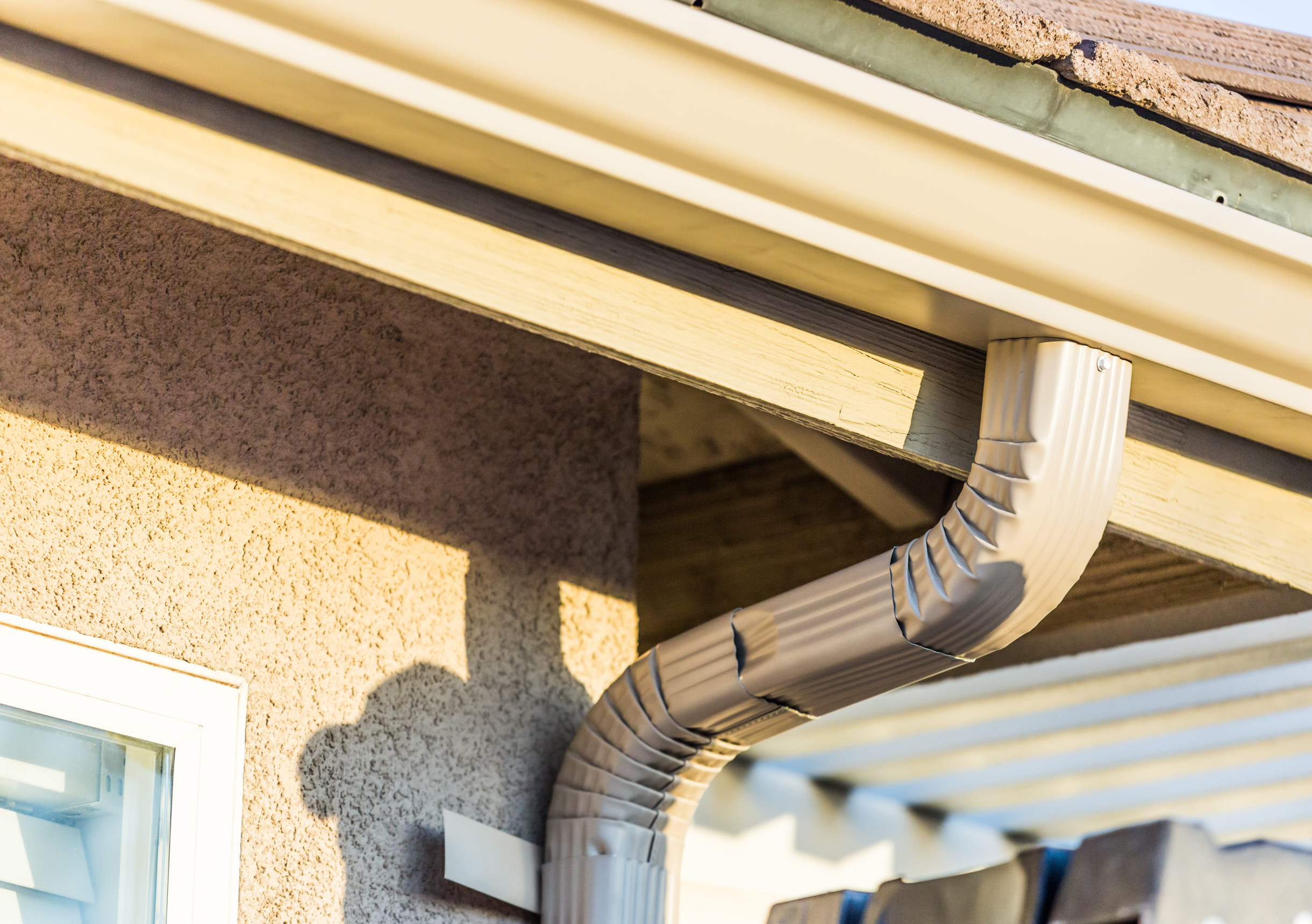
Seamless gutters commonly last 20 years or longer when correctly installed and maintained. Learn which factors affect gutter lifespan, when replacement is necessary, and how Minnesota weather can influence long-term performance.
When homeowners consider exterior improvements, roofing, siding, and windows often receive most of the attention. Gutters may seem like a relatively simple feature, but they perform an essential job every time it rains or snow begins to melt. A dependable gutter system collects water from the roof and directs it away from the siding, landscaping, basement, and foundation.
Because gutters are exposed to rain, snow, ice, wind, falling branches, leaves, and changing temperatures, they do not last forever. Their expected lifespan depends on the gutter material, installation quality, maintenance history, surrounding environment, and local weather conditions.
For Minnesota homeowners, the answer to the question “How long do seamless gutters last?” is especially important. A well-installed aluminum seamless gutter system can often remain functional for approximately 20 to 30 years, and sometimes longer when it receives appropriate care. However, harsh winters, heavy snow, ice buildup, clogged downspouts, and repeated freeze-thaw cycles can shorten that lifespan.
Understanding how seamless gutters age can help homeowners plan maintenance, recognize developing problems, and decide when repairs or gutter replacement may be the more practical option.
Seamless gutters are custom-manufactured at the property to fit the dimensions of the home. A gutter-forming machine creates long, continuous sections that follow the roofline with minimal joints.
Traditional sectional gutters are assembled from several shorter pieces. Every connection between those pieces creates a seam that must be joined and sealed. Over time, those seams may separate, corrode, or begin leaking.
Seamless gutter systems still require joints at certain locations, including corners, end caps, and downspout outlets. However, they have far fewer potential leak points than sectional gutter systems.
The main benefits of seamless gutters include:
North Edge Exteriors provides custom-fit seamless gutter installation designed to move water away from the home’s foundation, landscaping, and exterior structure. This customized approach helps create a gutter system suited to the property rather than relying on multiple pre-cut sections.
Aluminum is one of the most widely used materials for residential seamless gutters. It is lightweight, versatile, resistant to rust, and available in a broad selection of colors.
Under normal conditions, professionally installed aluminum seamless gutters frequently last between 20 and 30 years. Some systems may remain serviceable beyond that range, while others may require replacement sooner.
A lifespan estimate should be treated as a general planning guideline rather than a guaranteed expiration date. Two homes with similar-looking gutter systems can experience very different results based on installation, maintenance, tree coverage, roof design, drainage capacity, and exposure to severe weather.
A properly functioning 25-year-old system may not need immediate replacement simply because of its age. At the same time, a much newer gutter system can develop serious problems when it was installed incorrectly, has been repeatedly damaged, or cannot handle the amount of water coming off the roof.
The current condition and performance of the gutters are generally more important than age alone.
The lack of multiple joints along each gutter run is one of the greatest durability advantages of seamless gutters.
On sectional gutters, every seam is a potential weak point. Sealant can deteriorate, sections can shift, and fasteners may loosen. When that happens, water may begin dripping or pouring through the connection instead of reaching the downspout.
Seamless gutters reduce the number of these vulnerable areas. Fewer seams generally mean fewer opportunities for separation and leakage.
Seamless systems are also formed specifically for the home. Custom fabrication can create a cleaner fit along the fascia and reduce unnecessary connections. When combined with appropriate hangers, correct slope, properly placed downspouts, and professional installation, the result is a durable roof drainage system.
However, “seamless” does not mean maintenance-free or damage-proof. Corners, downspout outlets, end caps, and attachment points still require periodic attention.
The lifespan of seamless gutters depends on more than the material. The following factors can significantly influence how long the system continues to protect the home.
Installation quality is one of the most important factors in gutter performance.
Gutters must be securely attached and pitched correctly so water travels toward the downspouts. A gutter that is too level may hold standing water. A gutter with an incorrect slope may overflow in certain areas or send too much water toward one outlet.
The placement and spacing of gutter hangers also matter. Hangers support the gutter when it is filled with rainwater, leaves, snow, or ice. Insufficient support may allow the system to sag or pull away from the fascia.
Professional seamless gutter installation should account for:
A correctly designed system is more likely to drain efficiently and resist premature failure.
Not all aluminum gutters are identical. The quality and thickness of the aluminum can influence resistance to denting, bending, and distortion.
Thinner materials may be more vulnerable to ladders, falling branches, hail, and heavy ice. Durable gutter materials combined with appropriate fastening and support generally provide better long-term performance.
The finish also helps protect the metal and maintain the appearance of the system. Scratches, chips, and worn coatings should be monitored, even though aluminum itself does not rust in the same way as steel.
Minnesota weather can be demanding on any exterior drainage system. Water may enter a small opening, freeze, expand, thaw, and repeat the process many times during a single season.
Standing water inside gutters can freeze and add substantial weight. Ice expansion may place pressure on corners, end caps, joints, hangers, and downspout connections.
Freeze-thaw cycles may contribute to:
Keeping gutters clear and draining properly before winter can reduce the amount of standing water available to freeze.
Heavy snow and ice can place significant stress on gutters. Snow may slide from the roof and strike the gutter edge, while ice buildup may remain in the system for extended periods.
Gutters are intended to manage water, not support excessive snow and ice weight. A secure attachment system and proper hanger spacing are particularly important in snowy climates.
Recurring ice buildup may also indicate a roof or attic condition that deserves attention. Ice dams are commonly associated with heat loss and uneven roof temperatures. They should not automatically be blamed on the gutters themselves.
Leaves, pine needles, seed pods, roofing granules, twigs, and other debris can block water flow.
A clogged gutter is more than an inconvenience. It can hold wet debris and standing water for long periods, increasing stress on the gutter and hangers. During winter, that trapped water can freeze into a heavy mass.
Clogged gutters may also overflow and allow water to run over the front or behind the gutter. Depending on the location, overflow can affect:
Regular cleaning or a suitable gutter guard system can help reduce debris accumulation. Gutter guards can decrease maintenance needs, but homeowners should still inspect the system periodically.
Homes surrounded by mature trees may require more frequent gutter care.
Trees can drop leaves, needles, seeds, small branches, and organic debris onto the roof. That material eventually moves toward the gutters. Overhanging limbs may also rub against the roof or strike gutters during storms.
Tree coverage can provide valuable shade and beauty, but it often increases the importance of gutter inspections and cleaning.
Hail, high winds, falling branches, and windblown debris can damage seamless gutters before they reach the end of their expected service life.
Common forms of storm-related gutter damage include:
A small dent may be largely cosmetic, but significant deformation can restrict water flow. Gutters should be checked after severe weather, especially when the roof, siding, or nearby trees were also affected.
Regular maintenance is one of the most practical ways to support a longer gutter lifespan.
Maintenance does not necessarily require constant attention. A basic seasonal routine can help identify minor concerns before they become larger problems.
Useful gutter maintenance tasks include:
Homeowners should avoid unsafe ladder work. Gutters that are difficult to access or located on tall rooflines are generally better inspected by an experienced exterior professional.
Gutter age can provide useful context, but visible condition and drainage performance are the clearest indicators that replacement may be approaching.
A small leak at an end cap or corner may sometimes be repairable. Widespread leakage, recurring sealant failure, or leaks appearing in multiple areas may suggest the system has deteriorated beyond a practical repair.
Repeatedly sealing the same areas may offer only a temporary solution.
Gaps between the gutters and fascia may indicate loose hangers, damaged fasteners, deteriorated fascia boards, or excessive weight.
Water can escape behind gutters that no longer sit correctly against the roof edge. That moisture may affect the fascia, soffit, siding, or wall assembly.
Gutters should maintain a controlled slope toward the downspouts. Visible low spots often collect water and debris.
Sagging can result from loose hangers, insufficient support, impact damage, or years of carrying excessive weight. Minor isolated sagging may be repairable, but widespread deformation can make replacement more reasonable.
Even a small opening can release a surprising amount of water during heavy rainfall.
Multiple holes, deteriorated corners, or splits in several locations are signs that the gutter system may no longer provide dependable drainage.
Peeling paint, staining, mildew, or water marks on the fascia and siding can indicate that gutters are leaking or overflowing.
These symptoms do not always mean the entire system needs replacement, but they should not be ignored. Water traveling behind the gutter may damage materials that are not immediately visible.
The purpose of the gutter and downspout system is not simply to move water off the roof. It must also discharge that water in an appropriate location away from the foundation.
Puddles, soil erosion, basement dampness, or channels forming near the home may indicate inadequate downspout discharge, clogs, improper slope, or insufficient gutter capacity.
Overflow can happen when gutters are clogged, but a clean system that repeatedly overflows may be undersized, improperly pitched, or paired with too few downspouts.
Roof valleys can direct large volumes of water into concentrated areas. The system must be designed to accommodate those high-flow locations.
Downspouts are an essential part of the drainage system. A gutter cannot perform correctly when the downspout is crushed, disconnected, clogged, or discharging water next to the foundation.
Recurring downspout problems may indicate that portions of the overall system need to be redesigned or replaced.
Many seamless gutter problems can be repaired when the damage is localized and the rest of the system remains structurally sound.
Potential gutter repairs may include:
Repair may be the most practical option when the gutters are relatively young and have only one or two identifiable problems.
Replacement may provide better long-term value when leaks are widespread, multiple sections are sagging, the gutters are badly distorted, the design is inadequate, or the fascia behind the system requires substantial work.
An inspection can help distinguish a repairable problem from a system that has reached the end of its useful service life.
Gutter guards can help protect gutter performance by reducing the amount of leaves, twigs, and larger debris entering the system.
By limiting clogs, gutter guards may reduce standing water, overflow, and the weight of wet organic material. That can support the long-term condition of the gutters and reduce the frequency of cleaning.
However, gutter guards are not a guarantee that gutters will never need attention. Fine debris, roofing granules, seeds, ice, and organic buildup may still collect over time. The guards and gutters should be checked periodically to make sure water can enter and flow freely.
The suitability of a gutter guard depends on factors such as tree coverage, roof design, roof pitch, local weather, and the type of debris commonly found around the home.
North Edge Exteriors offers gutter guard systems in addition to seamless gutter installation, allowing homeowners to consider both drainage and debris management as part of the same exterior project.
Homeowners can take several reasonable steps to support gutter longevity.
Inspect and clean gutters as needed, particularly after leaves have fallen and before freezing conditions become consistent. Homes with heavy tree coverage may need more frequent attention.
Make sure downspouts are open, securely attached, and directing water away from the foundation. Extensions should remain positioned correctly and should not create tripping hazards.
Look for visible dents, loose sections, missing fasteners, and detached downspouts after strong winds, hail, or falling branches.
Recurring ice dams, heavy roof runoff, or water flowing behind the gutters may involve more than the gutter system. Roof edges, flashing, fascia, attic insulation, and ventilation can all affect drainage performance.
Placing a ladder directly against the gutter can bend or crush the metal. Use appropriate ladder safety equipment and avoid attempting work that exceeds your comfort or experience.
A loose hanger or leaking corner may seem minor, but delaying repairs can allow water damage to spread to adjacent exterior materials.
A simple inspection twice a year is a useful starting point for many homes.
Spring inspections can identify issues caused by snow, ice, and winter temperature changes. Fall inspections can remove leaves and prepare the drainage system for snowmelt and freezing weather.
Additional inspections may be appropriate:
Coordinating gutter inspections with other exterior maintenance can help homeowners understand how the roof, siding, fascia, soffits, and drainage system are working together.
Replacing older sectional gutters with seamless gutters can be worthwhile when the existing system has frequent leaks, multiple failing joints, inadequate capacity, or an inconsistent appearance.
A custom-fit seamless system offers fewer joints and can be designed around the home’s roofline, valleys, drainage demands, and downspout locations.
The value of replacement is not limited to the gutters themselves. Reliable roof drainage helps protect other major parts of the property, including the foundation, siding, exterior trim, landscaping, and basement.
The most appropriate system depends on the home. Gutter size, downspout placement, roof area, tree coverage, and water discharge locations should all be evaluated rather than assuming one configuration works for every property.
For many homeowners, quality aluminum seamless gutters can provide approximately 20 to 30 years of service. Strong installation, appropriate sizing, periodic cleaning, secure attachments, and prompt repairs can help the system reach or exceed that general range.
Minnesota’s snow, ice, storms, and temperature changes make maintenance especially important. Gutters that remain clogged, hold standing water, or repeatedly support heavy ice may deteriorate much sooner.
Age is only one part of the decision. Gutters should be evaluated based on whether they remain securely attached, properly pitched, free-flowing, and capable of moving roof runoff safely away from the home.
When problems are limited, repairs may extend the system’s useful life. When damage is widespread or the original design no longer meets the home’s drainage needs, seamless gutter replacement may offer more reliable protection.
North Edge Exteriors provides seamless gutter installation and gutter guard systems for homeowners in Cambridge and surrounding Minnesota communities. Its custom-fit seamless gutters are designed to channel roof runoff away from the home’s landscaping, exterior, and foundation while minimizing the leak-prone joints found in sectional systems.
Homeowners researching gutter replacement, drainage concerns, or broader exterior improvements can contact North Edge Exteriors for information about available services and project considerations.
North Edge Exteriors
1650 32nd Ave SW
Cambridge, MN 55008
Phone: 320-515-9134
Email: info@northedgeexteriors.com
Website: https://northedgeexteriors.com/