
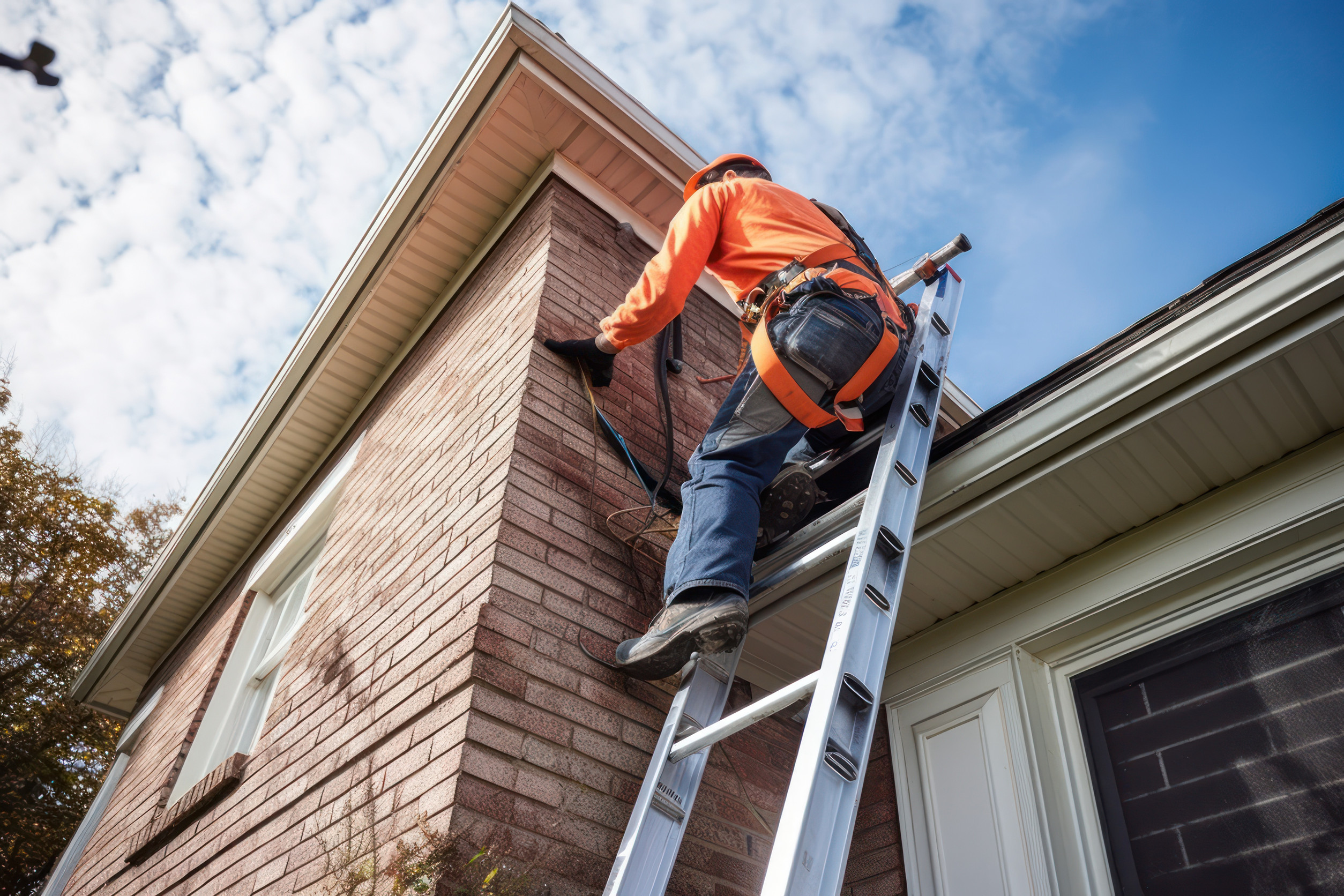
Exterior remodeling is one of the most impactful investments a homeowner can make. Projects involving roofing, siding, windows, gutters, and other exterior components can dramatically improve curb appeal, increase energy efficiency, and enhance long-term property value. For homeowners in Minnesota, exterior upgrades also play a critical role in protecting homes from snow, ice, wind, hail, and seasonal temperature fluctuations.
However, successful exterior remodeling involves more than selecting attractive materials. Poor planning, overlooked details, and installation mistakes can lead to costly repairs, reduced performance, and unnecessary maintenance in the future.
Many of the most common remodeling mistakes are preventable when homeowners understand how exterior systems work together. Roofing, siding, windows, ventilation, insulation, and drainage all contribute to a home’s overall performance. Ignoring one component can affect the effectiveness of another.
This guide explores common exterior remodeling mistakes homeowners should avoid and highlights important considerations for protecting both the appearance and functionality of a home.
Exterior remodeling projects are often focused on visual improvements, but aesthetics are only one part of the equation.
A successful exterior renovation should also improve:
Without proper planning, homeowners may invest in upgrades that look appealing initially but fail to deliver lasting performance.
Taking time to evaluate materials, installation methods, and climate-specific considerations can help avoid costly setbacks later.
One of the most common remodeling mistakes is selecting materials based solely on curb appeal.
While appearance is important, homeowners should also consider:
For example, a siding color or roofing style may complement a home’s design, but if the material is not suited to Minnesota’s climate, long-term performance may suffer.
Exterior materials should balance aesthetics with functionality.
Minnesota weather presents unique challenges for exterior systems.
Homes must withstand:
Exterior products that perform well in milder climates may not provide the same durability in northern regions.
When planning exterior remodeling projects, homeowners should evaluate how materials respond to local environmental conditions.
Choosing climate-appropriate products can help reduce future maintenance and improve long-term reliability.
Roofing projects often focus on shingles and visible materials while overlooking attic ventilation.
Proper attic ventilation helps:
Without adequate airflow, roofing systems may experience premature aging and moisture-related damage.
Ventilation should always be considered when replacing roofing materials or making major exterior upgrades.
Many homeowners invest in new roofing or siding while overlooking gutters and drainage.
However, water management plays a critical role in protecting the home.
Poor drainage may contribute to:
During exterior remodeling projects, gutters, downspouts, and drainage systems should be evaluated alongside other improvements.
Proper water management helps maximize the lifespan of exterior materials.
Sometimes homeowners address one exterior issue while ignoring others that may be approaching the end of their lifespan.
Examples include:
While phased improvements are often necessary, homeowners should understand how different exterior components interact.
Coordinated upgrades often provide better long-term performance and a more cohesive appearance.
Budget considerations are important, but the lowest upfront cost does not always provide the best value.
Lower-cost materials may result in:
Evaluating long-term ownership costs often provides a clearer picture of overall value.
Factors to consider include:
Exterior remodeling should be viewed as a long-term investment rather than solely an immediate expense.
Exterior upgrades provide an opportunity to improve home efficiency.
Many homeowners overlook improvements such as:
According to ENERGY STAR, improving a home’s exterior envelope can help reduce energy loss and support better indoor comfort.
When planning remodeling projects, homeowners should consider how upgrades may contribute to overall energy performance.
Exterior remodeling projects often involve multiple visual elements.
These may include:
Choosing materials independently can sometimes create a disjointed appearance.
Before selecting products, homeowners should consider how all exterior components work together visually.
A coordinated design approach often produces a more attractive and timeless result.
Existing damage should be addressed before installing new exterior materials.
Common issues include:
Installing new materials over hidden damage may conceal problems temporarily but often leads to more expensive repairs later.
Comprehensive inspections help identify underlying concerns before remodeling begins.
Minnesota homeowners frequently experience hail, wind, and severe weather.
Even if damage appears minor, hidden issues may exist.
Storm-related concerns can include:
Addressing storm-related damage before remodeling helps ensure that new materials perform as intended.
Every exterior material requires some level of maintenance.
Before selecting products, homeowners should understand:
Materials that align with long-term maintenance preferences often provide greater satisfaction over time.
Low-maintenance products may offer advantages for homeowners seeking reduced upkeep.
Exterior remodeling projects can influence how potential buyers view a home.
Features that often contribute to resale appeal include:
While personal preferences are important, homeowners may benefit from considering how upgrades affect long-term marketability.
Well-planned exterior improvements often support both enjoyment and property value.
Exterior remodeling provides a unique opportunity to evaluate insulation performance.
Areas commonly reviewed include:
Improving insulation alongside exterior upgrades may enhance comfort and efficiency while reducing future disruption.
Many exterior issues are difficult to identify without specialized knowledge.
Professional evaluations can help identify:
Inspections provide valuable information that supports better decision-making throughout the remodeling process.
One of the most important concepts in exterior remodeling is understanding that individual components rarely function independently.
For example:
When one system fails, it can affect others.
A comprehensive approach to exterior improvements helps ensure that upgrades work together to protect the home.
When exterior remodeling projects are planned carefully, homeowners often experience:
Avoiding common mistakes helps maximize the return on investment while supporting long-term home performance.
Minnesota’s climate demands exterior systems that can withstand changing weather conditions throughout the year.
Successful remodeling projects involve more than selecting attractive products. They require thoughtful planning, quality materials, attention to moisture management, and consideration of how all exterior components work together.
By avoiding common mistakes and focusing on long-term performance, homeowners can create an exterior that remains durable, efficient, and visually appealing for years to come.
North Edge Exteriors provides roofing, siding, window, gutter, and exterior remodeling solutions designed for Minnesota homes. With experience in exterior improvements, storm-related repairs, and home protection services, the team focuses on quality craftsmanship and dependable results tailored to local climate conditions.
If you would like additional information about exterior remodeling, roofing systems, siding upgrades, or home improvement services, North Edge Exteriors can provide guidance based on your property’s needs.
North Edge Exteriors
Phone: 320-515-9134
Email: info@northedgeexteriors.com